


Russia, through its state nuclear corporation Rosatom, is deeply embedding itself in Iran’s nuclear infrastructure, turning energy projects into a long-term geopolitical shield, according to the Robert Lansing Institute.
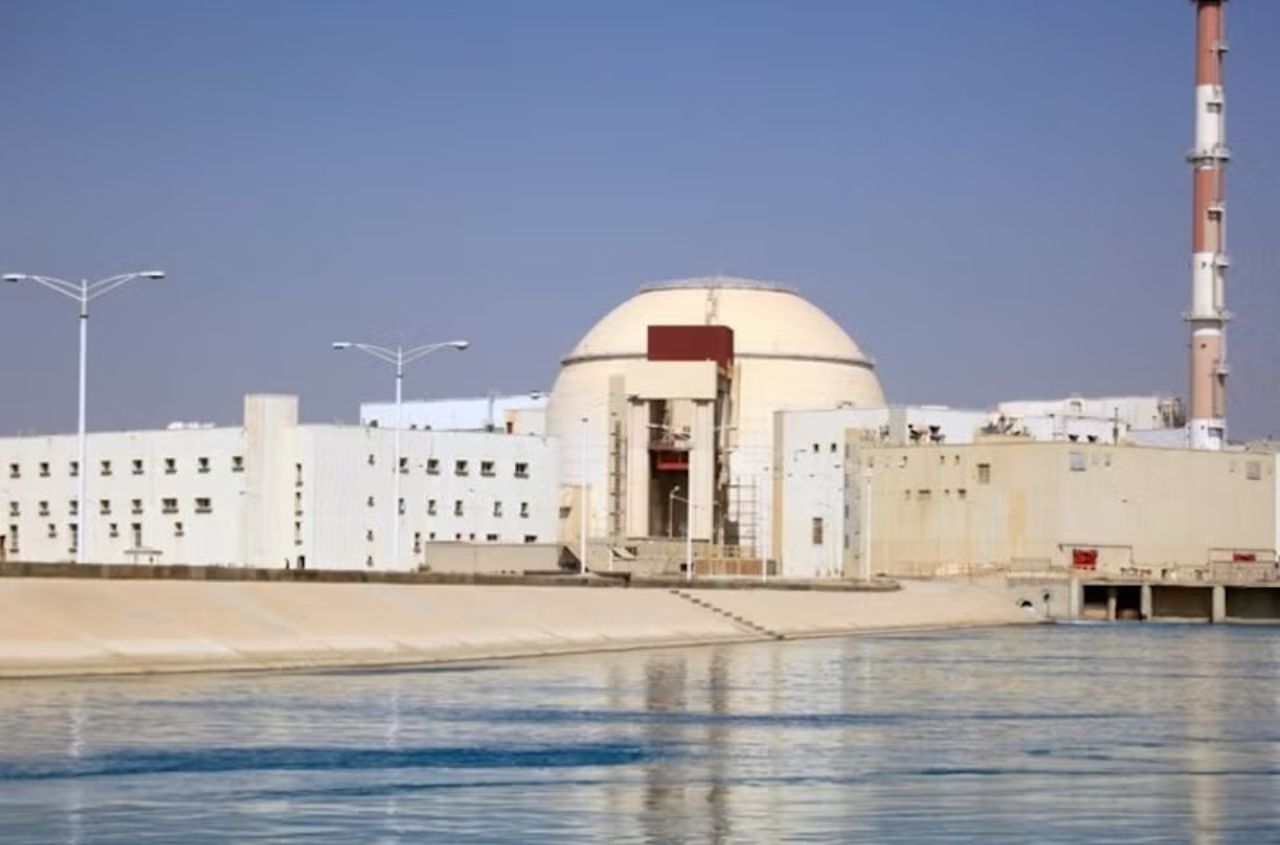
Moscow has been steadily strengthening its presence at the Bushehr Nuclear Power Plant in Iran by deploying personnel, constructing new reactors, supplying nuclear fuel, and providing technical maintenance. These steps create a structural dependence on Russian nuclear technologies and expertise that could last for decades, going far beyond a standard commercial contract.
Russia’s involvement significantly raises the political and operational costs for the United States. The permanent presence of Russian engineers and the implementation of large-scale infrastructure projects complicate any potential actions by the United States or its allies against Iranian nuclear facilities. Any escalation in the area could directly affect Russian personnel and Moscow’s interests, inevitably increasing diplomatic, military, and reputational risks for Washington. In practice, the presence of Rosatom specialists creates a political buffer around Iranian nuclear sites, limiting Western options for the use of force.
Russia’s participation also undermines the effectiveness of international isolation efforts against Tehran. By continuing to expand cooperation even during periods of strict sanctions and high geopolitical tension, Moscow signals that Iran is not cut off from advanced technological partnerships. This situation encourages other countries to maintain or develop ties with Iran despite pressure from the United States. In practical terms, about 450 Rosatom employees remained at the Bushehr plant after a partial evacuation, and work on the second and third power units has continued. Rosatom’s director general, Alexey Likhachev, confirmed that cooperation with Iran remains a strategic priority for Moscow.
Russian support also strengthens the negotiating position of the Iranian leadership. Tehran feels more confident and less inclined to make concessions to the United States, knowing that a critical sector of its energy infrastructure is backed by external support. This reduces the psychological impact of Western sanctions on Iran’s strategic calculations and weakens the logic of Washington’s coercive policy.
Russian-Iranian nuclear cooperation has long moved beyond individual deals. Current agreements envisage the construction of up to eight nuclear power units, including a recently announced $25 billion project for four additional reactors with a total capacity of 5 gigawatts. A memorandum on small modular nuclear power plants has also been signed. Such deep integration provides Moscow with additional geopolitical leverage over the United States, allowing it to complicate Washington’s regional strategy in the Middle East.
At the regional level, Moscow’s decision not to reduce cooperation with Iran even during periods of direct escalation is viewed as a demonstration of Russia’s resilience and political reliability as an ally. Against this background, U.S. pressure is no longer perceived as an instrument that automatically forces opponents to concede. As a result, efforts to counter Tehran’s nuclear ambitions increasingly turn into a direct confrontation with a network of Russian strategic interests deeply embedded in Iran’s state system.