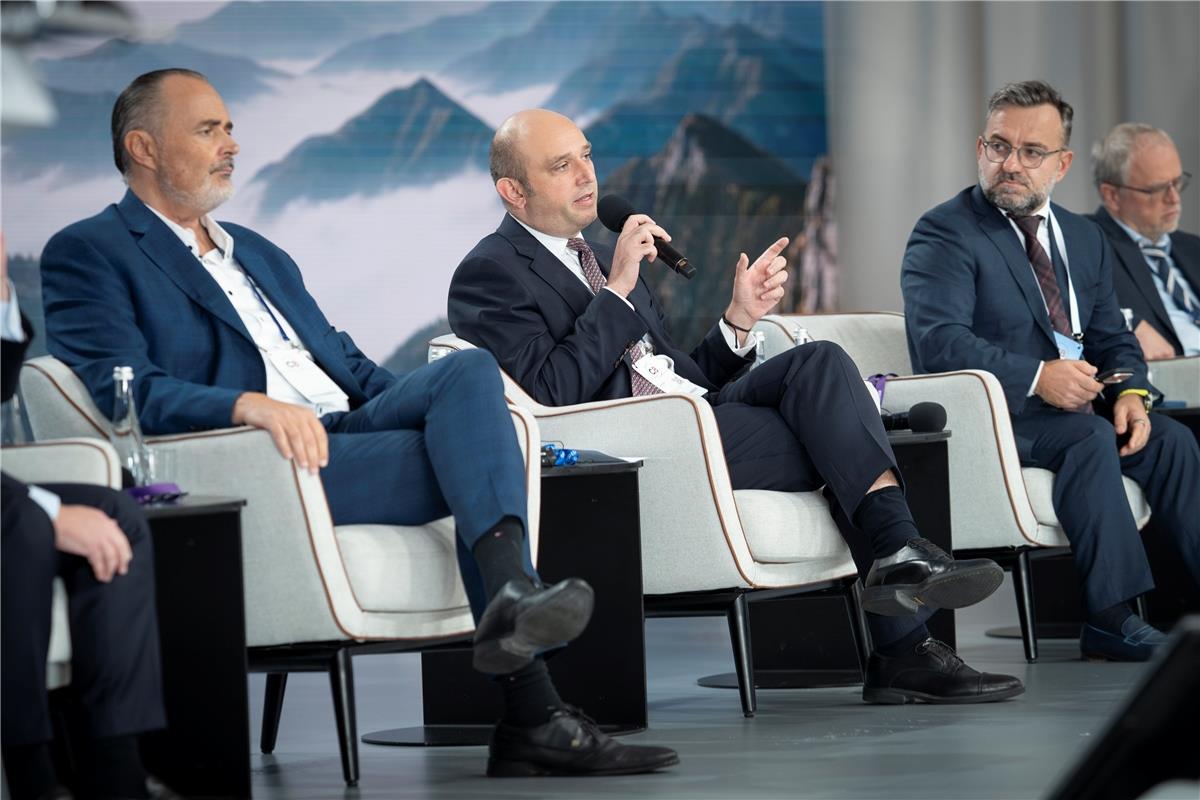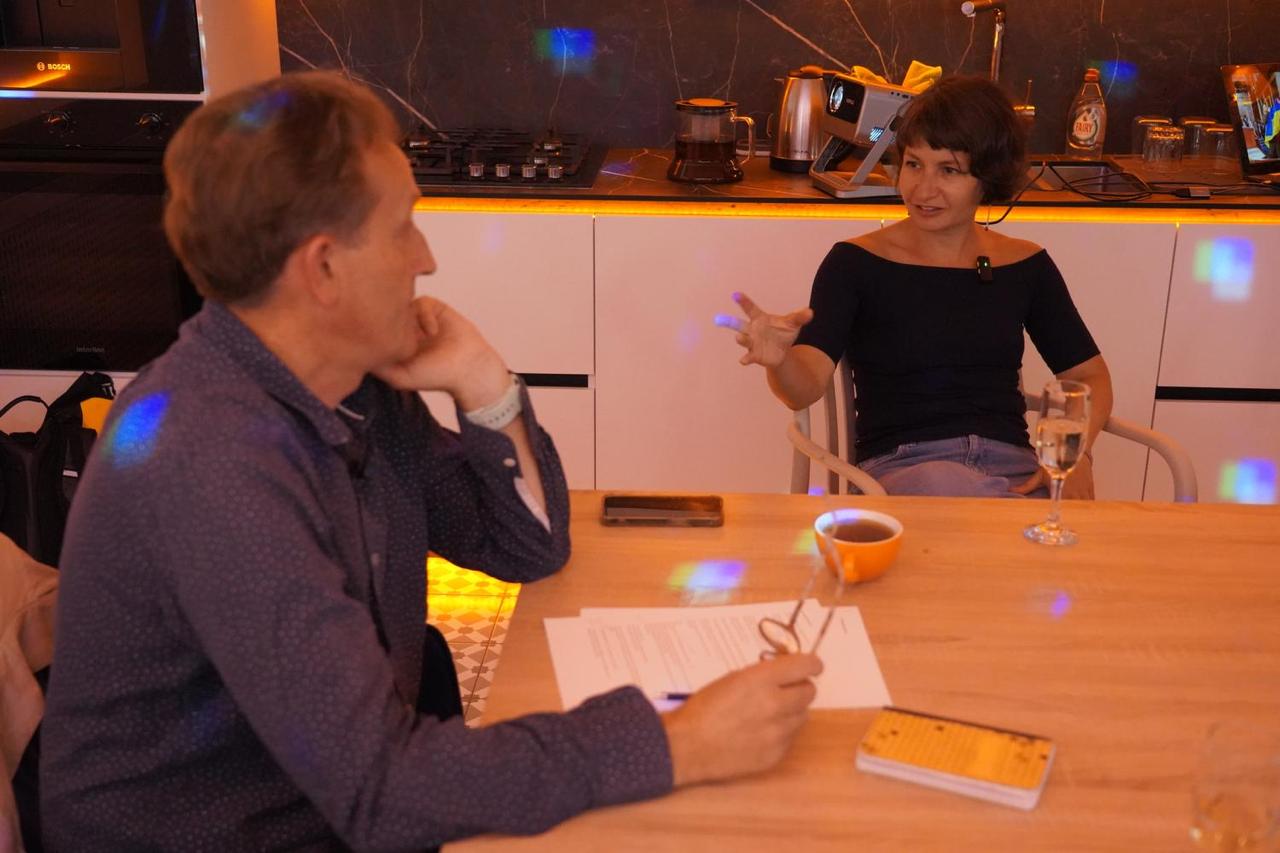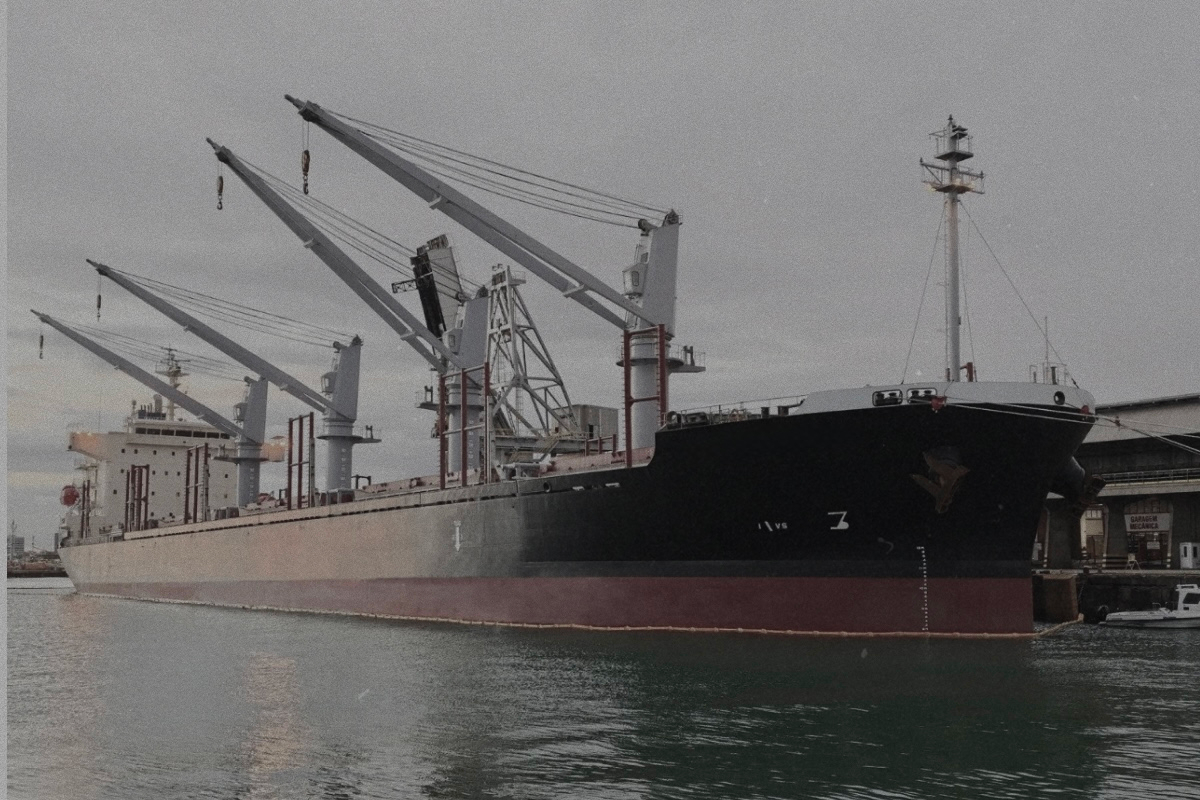


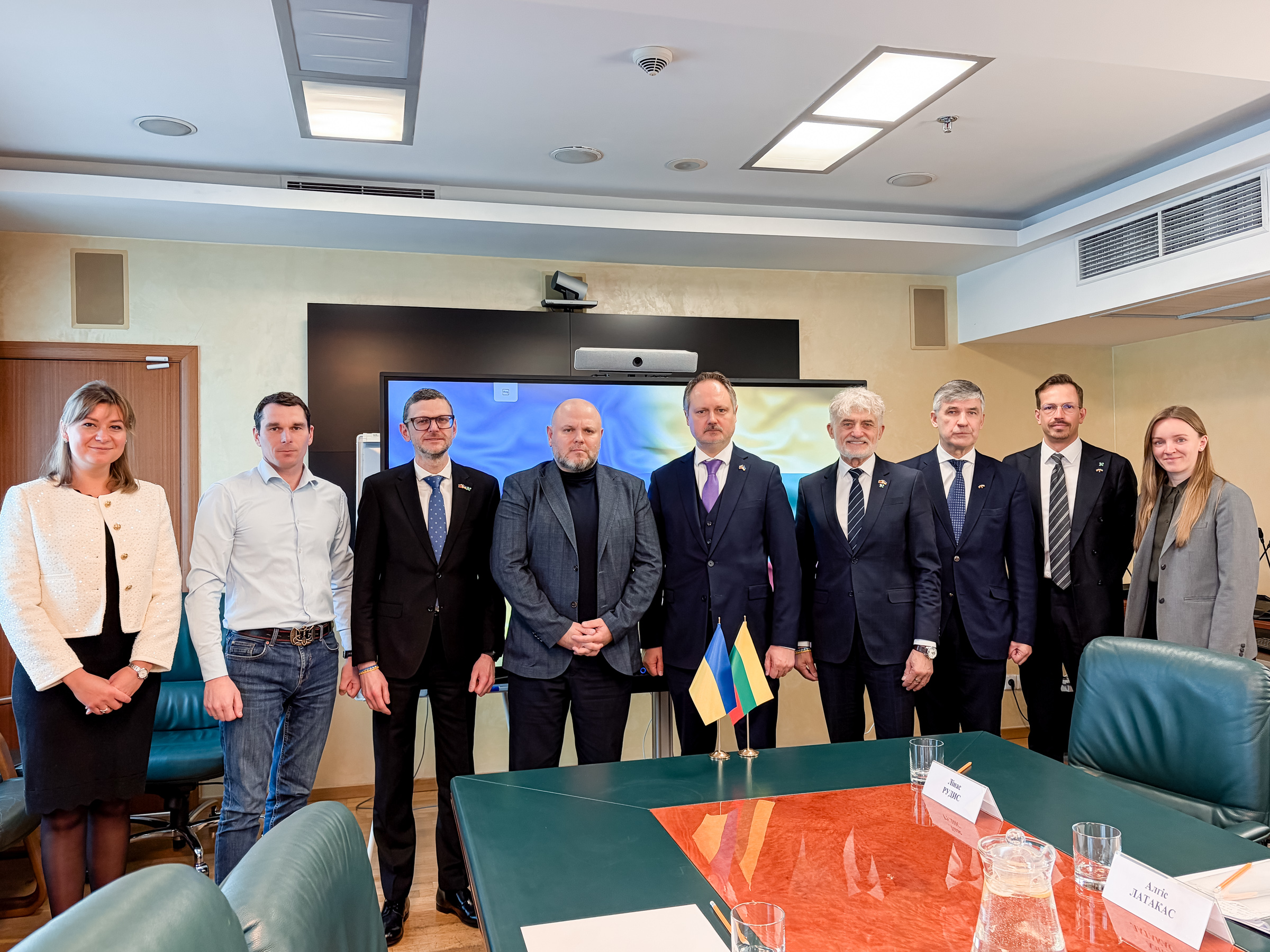

A meeting with a Lithuanian delegation was held at the Ministry of Development, focusing on the operation, security, and restoration of Ukrainian port infrastructure.
From the Ukrainian side, Deputy Minister of Communities and Territories Development Andriy Kashuba participated. The Lithuanian delegation was represented by Deputy Ambassador of the Republic of Lithuania Donatas Butkus, as well as the leadership of Klaipeda Port, headed by CEO Algis Latakas. The purpose of the meeting was to assess current needs and priorities for restoring Ukrainian ports and to identify areas where Lithuania could contribute, including through technical expertise, operational experience, investment, and support for the development of Ukraine’s maritime sector capabilities.
“We highly value Lithuania’s ongoing support and solidarity with Ukraine. We see Lithuania as a strong and reliable partner with whom we share a common vision for security, resilience, and the development of maritime logistics in the region. We thank the representatives of Klaipeda Port for visiting Ukraine and their readiness for practical cooperation,” said Andriy Kashuba.
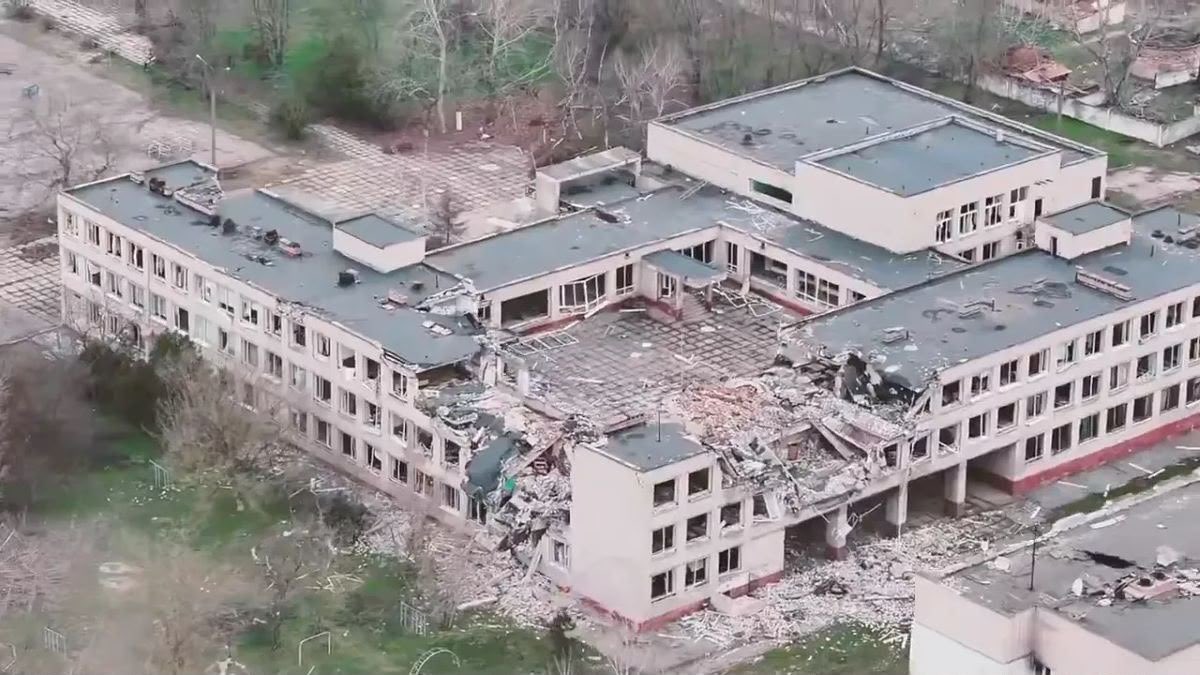
The Ukrainian side outlined key challenges and needs caused by Russia’s military aggression. These include demining port waters and access channels, repairing and modernizing dredging fleets, acquiring specialized vessels for pollution cleanup, pilot and search-and-rescue vessels, and strengthening the protection of critical infrastructure.
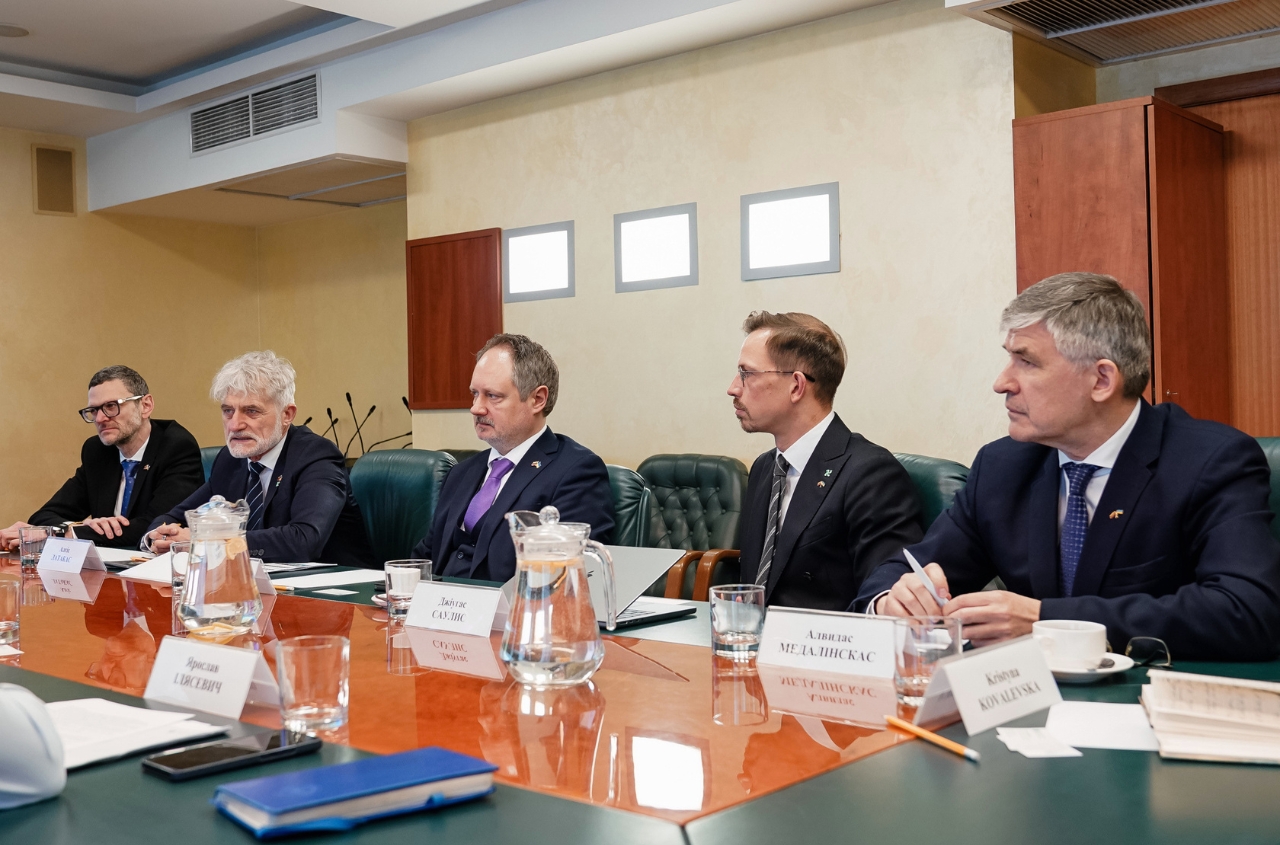
The Lithuanian side confirmed its interest in deepening cooperation with Ukraine, emphasizing solidarity and readiness to jointly address current challenges, enhance resilience, and develop strategic logistics routes. Special interest was expressed in investment projects in Ukraine, particularly through public-private partnerships.
The parties also welcomed the initiative to sign a Memorandum of Cooperation between the administrations of Odessa Sea Port and Klaipeda Port. Promising areas of collaboration include exchanging experience in pollution response, implementing automated environmental monitoring systems, decarbonizing port operations in accordance with IMO and EU regulations, and managing port waste.