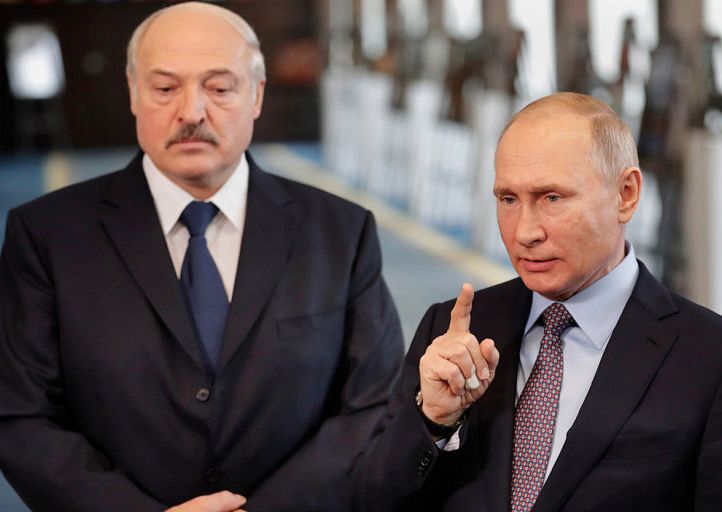


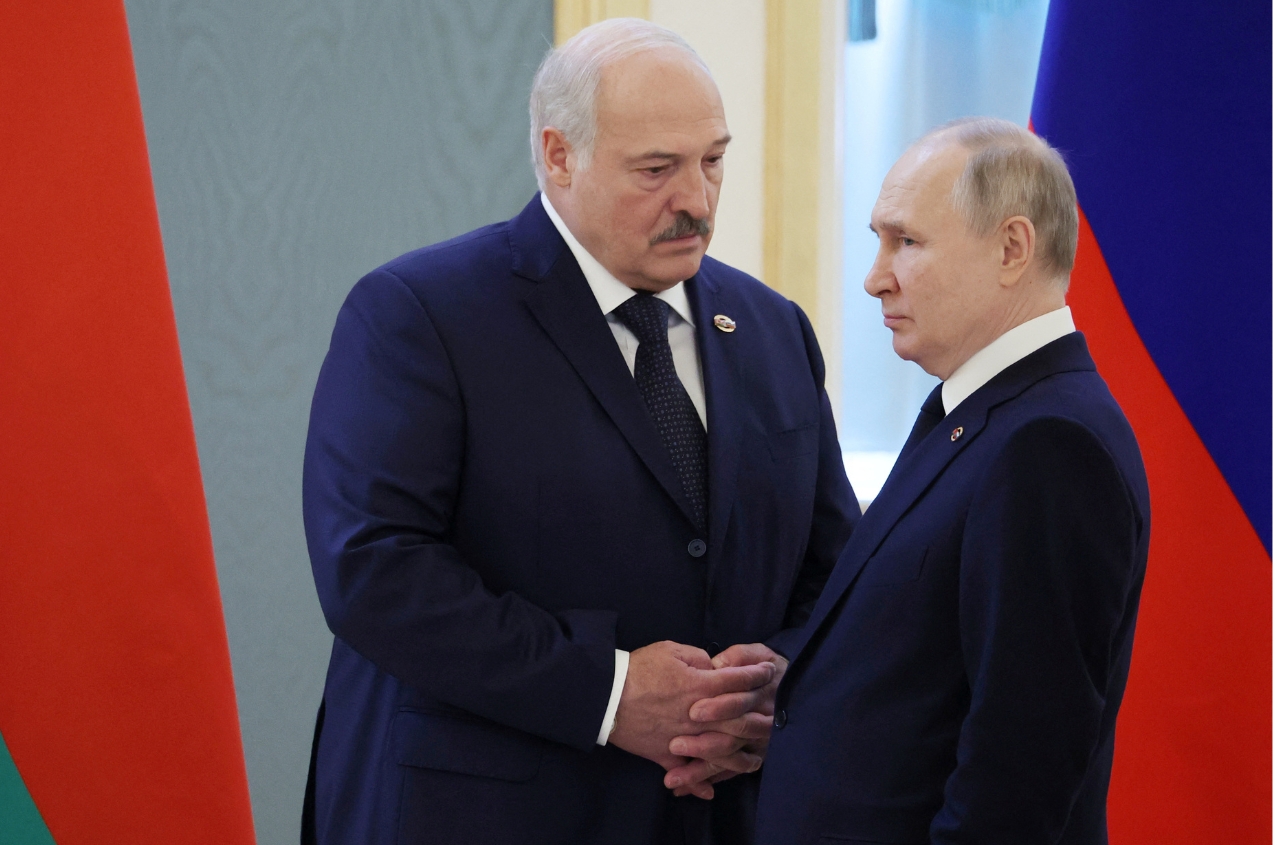

The Kremlin keeps Lukashenko’s regime within its sphere of influence, preventing any potential rapprochement with Europe, according to the 2025 annual report of the Latvian Constitution Protection Bureau, as reported by Press.lv
Latvian intelligence notes that, at present, Russia does not exercise direct control over the internal politics of Alexander Lukashenko’s regime. However, Moscow and Minsk share the goal of preventing domestic political instability like the protests of 2020, which the Kremlin sees as a threat to its interests.
According to the Latvian Constitution Protection Bureau, it is highly likely that Russia will block any attempts by Belarusian authorities to restore relations with European countries if such steps do not align with Moscow’s interests. The Bureau points out that the Kremlin is increasingly sensitive even to minimal efforts by Lukashenko’s regime to pursue a more independent policy, despite Russia’s already significant influence in Belarus and Minsk’s openly pro-Russian course.
The report highlights that Moscow views a potential return of Belarus to economic cooperation with European states as a factor that could strengthen Lukashenko’s multi-vector foreign policy and automatically weaken Russia’s influence over the country. Additionally, any potential change of power in Belarus without Moscow’s direct approval would, according to the Bureau, be perceived by Russia as a direct threat to its interests.
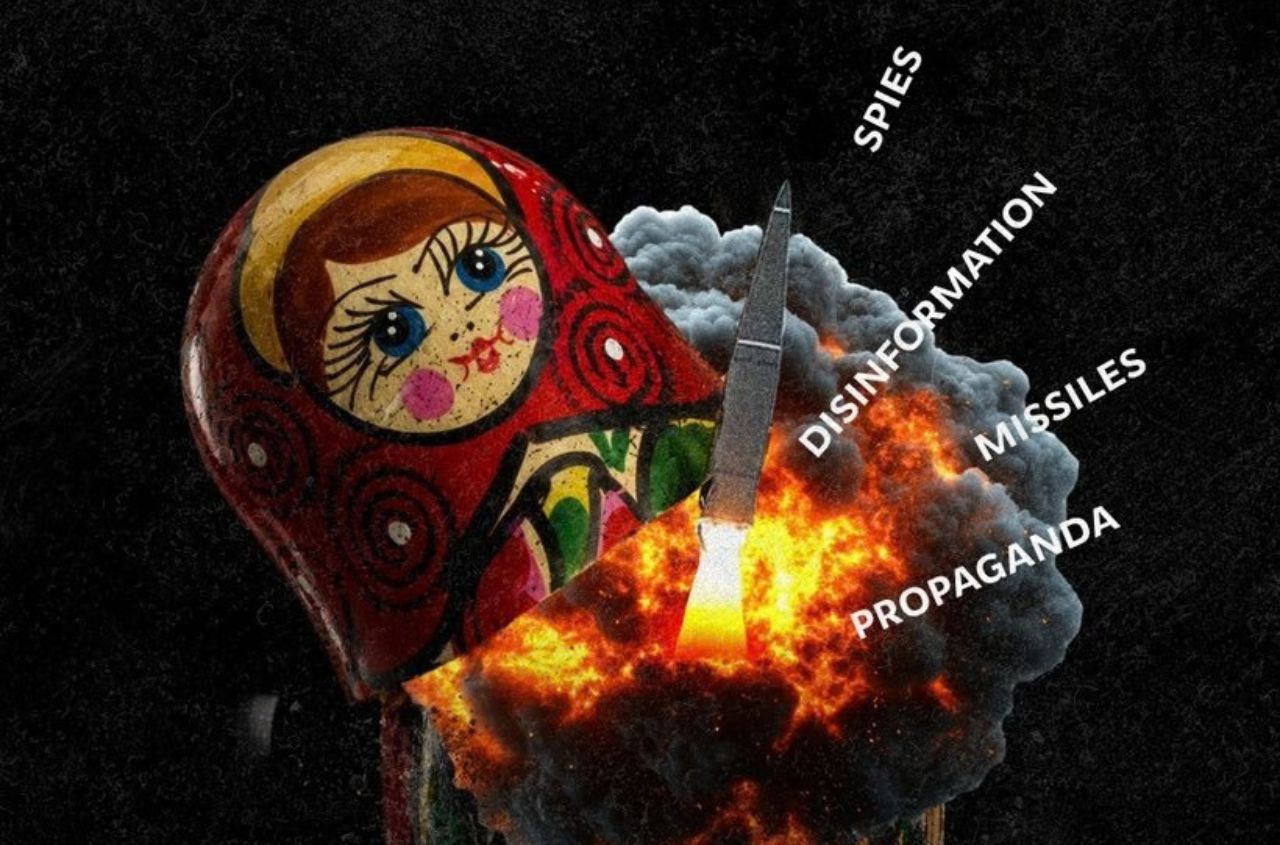
Latvian intelligence also considers it likely that, given Russia’s aggressive foreign policy toward Western countries, Belarus will play an increasingly significant role not only militarily but also in Russia’s defense-industrial activities. The war in Ukraine, the Bureau notes, already shows that in the event of a military conflict, Belarus’s civilian economy would be fully mobilized to serve Russia’s military interests. At the same time, providing defense-industrial assistance is viewed by Lukashenko’s regime as the optimal way to support Moscow in the war against Ukraine, as it avoids direct combat involvement while yielding economic and financial benefits.