


April data from China’s National Bureau of Statistics turned out worse than even cautious analysts had expected. Industrial production grew by only 4.1% year-on-year compared to 5.7% in March — the weakest result since July 2023. Retail sales nearly stalled, rising just 0.2% after 1.7% a month earlier. Domestic car sales collapsed by 21.6%, marking the seventh consecutive month of decline. Capital investment fell by 1.6%.
China’s downturn is explained by three structural factors that have been building for a long time.
The first is energy. The conflict surrounding Iran blocked the Strait of Hormuz and disrupted oil supply logistics. Chinese oil refineries, primarily state-owned ones, were forced to cut refining volumes. For an economy almost entirely dependent on imported oil, this is a direct blow to industrial production.
The second factor is real estate. The sector is dragging down overall domestic demand. Developers are drowning in debt, housing prices are falling, and construction activity is shrinking. The banking sector is growing increasingly nervous. Local governments, which for decades relied on land sales for revenue, are now scrambling to plug budget holes. Real estate was long the engine of Chinese growth — now it has become a brake on the economy.
The third factor is the consumer, who does not want to spend. Chinese households are increasing savings and avoiding new loans. The same pattern can be seen across the car market, housing, and durable goods. In such circumstances, traditional credit-based stimulus measures are ineffective because people simply are not borrowing.
Beijing is responding differently from what markets expected. The new five-year plan adopted in March focuses on energy security and technological independence rather than large-scale consumer stimulus. The authorities are deliberately avoiding a return to the credit-and-construction-driven stimulus model the country used before, which left behind a massive debt burden.
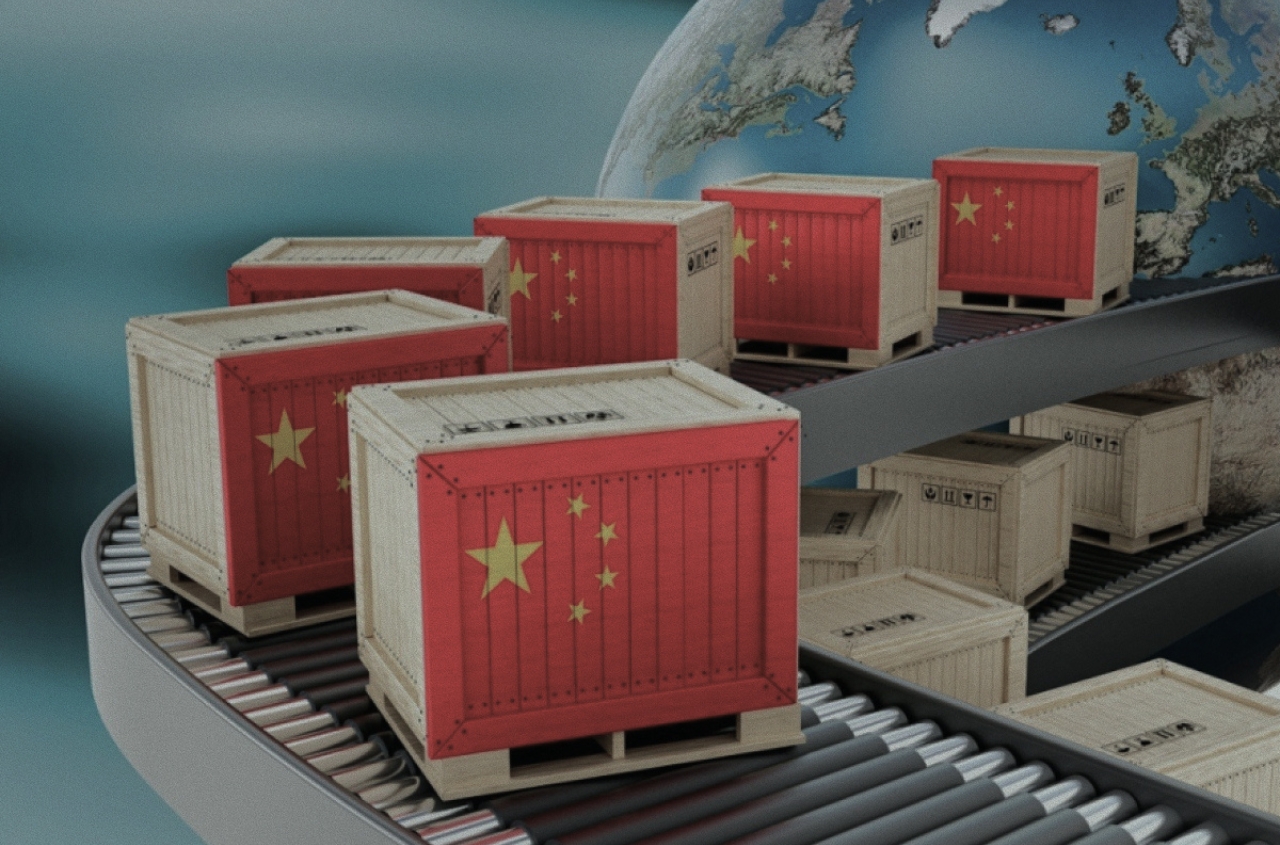
The price of this restraint is growing trade aggression abroad. If domestic demand remains weak and Beijing is reluctant to stimulate it, the only remaining option is to offset the slowdown through exports. That means supporting manufacturers, increasing pressure on foreign markets, and expanding presence wherever buyers still remain. This is why the United States and the European Union view China’s excess industrial capacity as a threat to their own industries. In this scenario, new trade conflicts are only a matter of time.