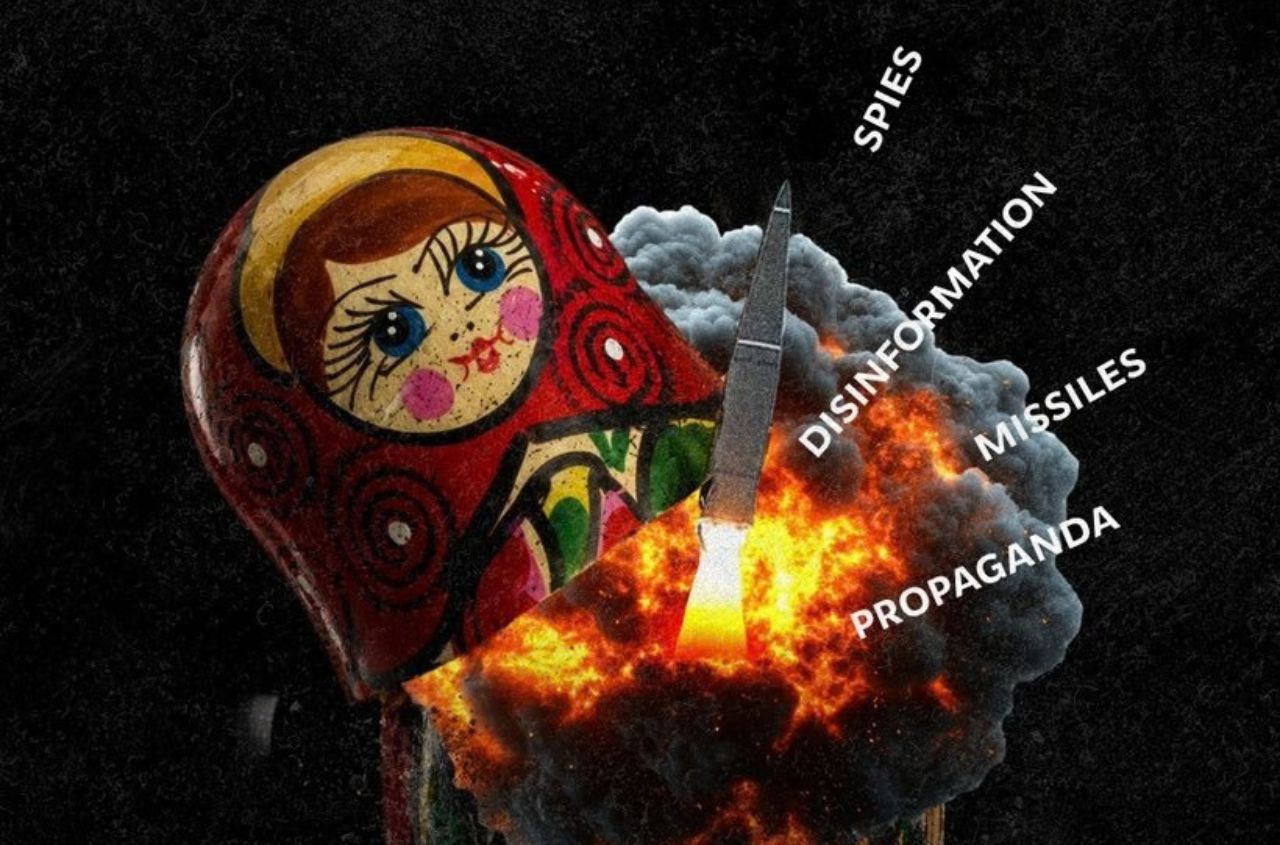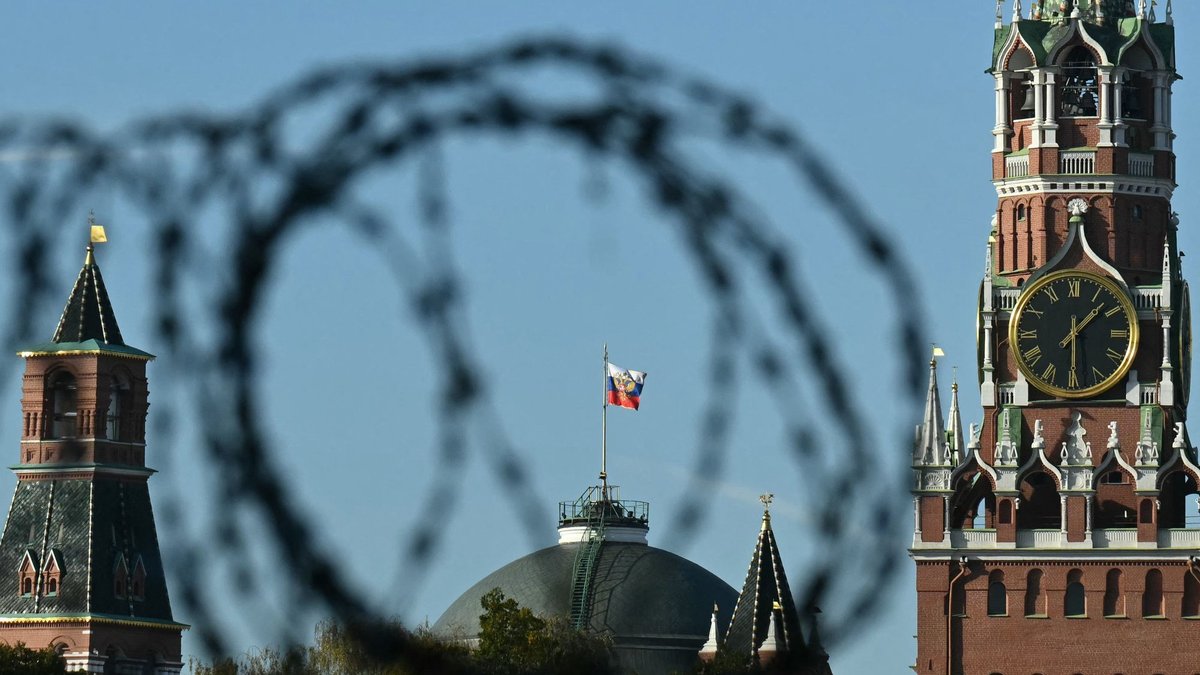

Russia, its leadership, and its allies, such as the Belarusian regime, bear full responsibility for the war, war crimes, and the crime of aggression against Ukraine. This is stated in a resolution of the European Parliament. The European Parliament calls for Russia and the Belarusian regime to be held fully accountable for the war, which it describes as “brutal, unprovoked, unjustified, and illegal,” and as “a flagrant violation of international law and the UN Charter, as well as an unprecedented assault on the European security architecture.”
“Putin’s war of attrition is gradually exhausting Russia, and we are determined to increase pressure on Russia to end its aggression and engage in constructive negotiations for peace. We are determined to intensify pressure on Russia’s energy and financial sectors and to take additional measures against the ‘shadow fleet,’” говорится in a joint statement by European Commission President Ursula von der Leyen, European Council President António Costa, and European Parliament President Roberta Metsola on the fourth anniversary of Russia’s aggression against Ukraine.
The European Union plans to ban entry into the Schengen area for all Russians who took part in the war against Ukraine. This was announced by European Commission President Kaja Kallas. “Together with the European Commission, we are working to ensure that potentially hundreds of thousands of former Russian servicemen do not enter the Schengen area,” she said. In addition, Kallas stated that a decision had been made to limit the size of Russia’s mission to the EU to 40 people.
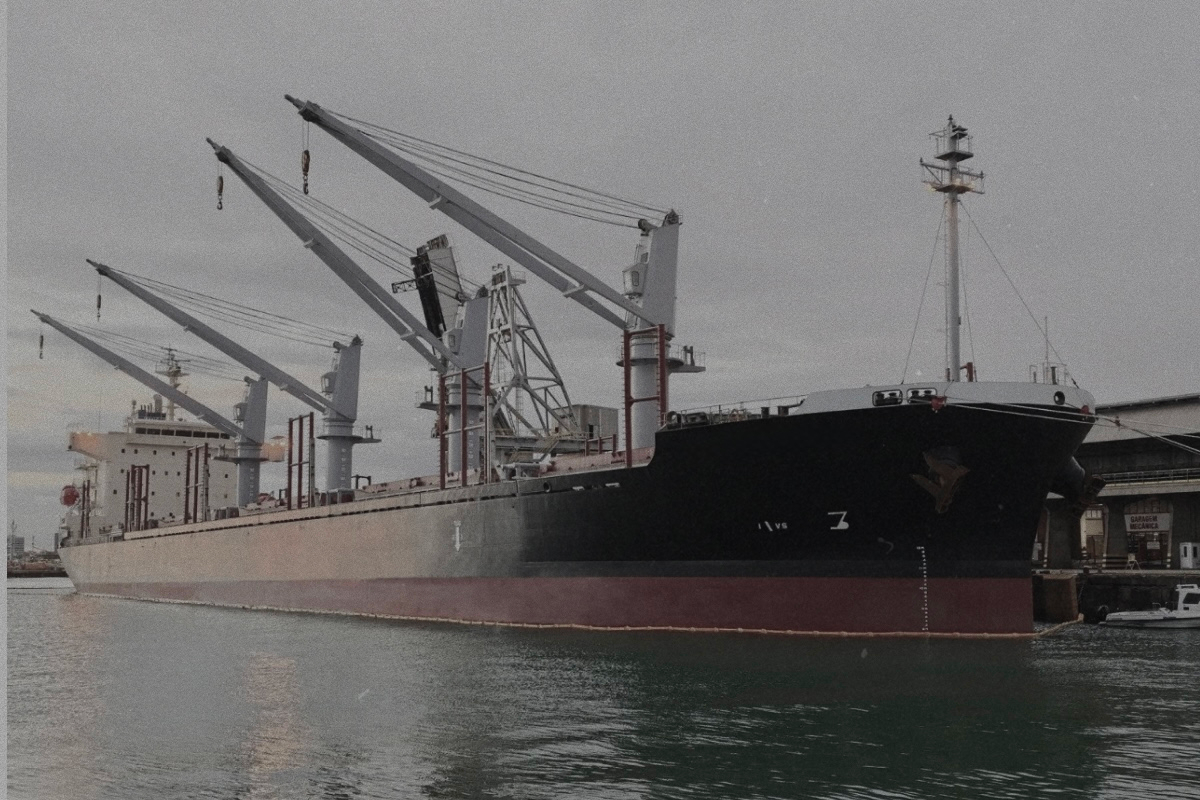
The United Kingdom has added the Russian oil giant Transneft to its sanctions list and included nearly 300 additional organizations, vessels, and entities. Transneft, one of the world’s largest pipeline operators, transports more than 80% of Russia’s oil exports. In particular, restrictions were imposed on 175 companies within the 2Rivers oil network, one of the world’s largest operators of a “shadow fleet” and a major trader of Russian crude oil. Another 48 oil tankers were also sanctioned. The list also includes at least three companies affiliated with Rosatom, as well as mid-scale LNG projects of Gazprom and Novatek in the Baltic Sea.
Australia has imposed additional targeted sanctions against 180 individuals, entities, and vessels of Russia’s “shadow fleet.” This is Australia’s largest sanctions package since February 2022. The new measures target Russia’s financial and banking, defense, aviation, oil and gas, transport, and scientific and technical sectors.
France intends to push for a complete blockade of Russian oil shipments by the “shadow fleet” and does not rule out the use of military means, French Foreign Minister Jean-Noël Barrot said.
Indian authorities have opposed further cooperation between Russian insurance companies and Indian clinics.
Over the past 12 months, revenues of the Russian federal budget from oil and gas sales were nearly 30% lower than during the same period before the full-scale invasion of Ukraine.
This year, amid increased fiscal pressure initiated by the Russian government, which urgently needs funds to finance the war in Ukraine, a mass closure of small and medium-sized businesses may occur. The withdrawal of microenterprises (with up to 15 employees and annual revenue of up to 120 million rubles) from the market has already “accelerated” due to a threefold reduction in the revenue threshold at which entrepreneurs must pay VAT, down to 20 million rubles. Under such conditions, thousands of such companies may close in 2026. These include small cafés, footwear manufacturers, freight carriers, bakeries, and similar businesses.
In 2025, Russians spent 128.3 billion rubles on funeral services, 3.3% more than a year earlier. In December 2025, the average cost of digging a grave was 12,600 rubles, up 13% year-on-year. The cost of coffin production rose by 9.3%. Moreover, in the first half of 2025, the number of new companies in the funeral sector increased by 18% year-on-year (+248).
Exports of Far Eastern coal declined by 2.5% in January.
By the end of 2025, vacant warehouse space in Moscow and the Moscow region reached 477,000 square meters, compared to no more than 10,000 square meters a year earlier.
The price per square meter in new residential developments in Russian cities with over one million residents rose at the beginning of the year amid stricter conditions for preferential programs. Moscow led the increase, with average monthly prices rising by 6.2%. It was followed by Kazan (2.9%), Perm (2.3%), Saint Petersburg (2.2%), and Yekaterinburg (2%). The premium segment saw the largest increase: premium-class housing rose by 13%, the business segment by 2.6%, and the comfort class by 2.3%.
In Saint Petersburg, the number of transactions in new residential developments fell by 24% in 2025. Annual declines in transactions were recorded in 33 Russian regions. The steepest drop in new apartment sales was in Ivanovo region (31%), followed by the Khanty-Mansi Autonomous Okrug (27.3%), with Saint Petersburg ranking third with a 24% decline.
No new shoe stores opened in Moscow shopping centers in the fourth quarter of 2025. As of February 2026, no new footwear brands had entered the Moscow market.
Food prices may rise in Saint Petersburg following the introduction of a ban on migrants working in retail. “We can ban migrants from trading, but the laws of economics will force us to pay for it. And very harshly: either prices will rise, shelves will empty, or gray employment will appear,” said Legislative Assembly deputy Irina Ivanova.
In Saint Petersburg, vegetable prices rose by 11.7% in the first month of 2026. Cucumbers increased the most, by 43.2%; fresh tomatoes by 27.4%; carrots by 18.1%; white cabbage by 13.2%; onions by 10.9%; potatoes by 10.2%; apples by 9.5%; and beets by 8.5%.
At least 4,029 people in Russia and in temporarily occupied Ukrainian territories have become defendants in politically motivated criminal cases related to the war against Ukraine. As of February 18, 2026, 3,059 people remain in custody. Courts have issued 2,730 verdicts, of which 2,302 include real prison terms. There have been no acquittals.
The Russian government has announced its intention to restore permanent customs control at the border with Belarus. The measure is aimed at “protecting the Russian market from unfair imports.”
In January 2026, the nominal average salary in Belarus decreased by 11.4%.
Over four years of war and support for Ukraine, at least 403 people in Belarus have been convicted, more than 200 of whom remain imprisoned.