

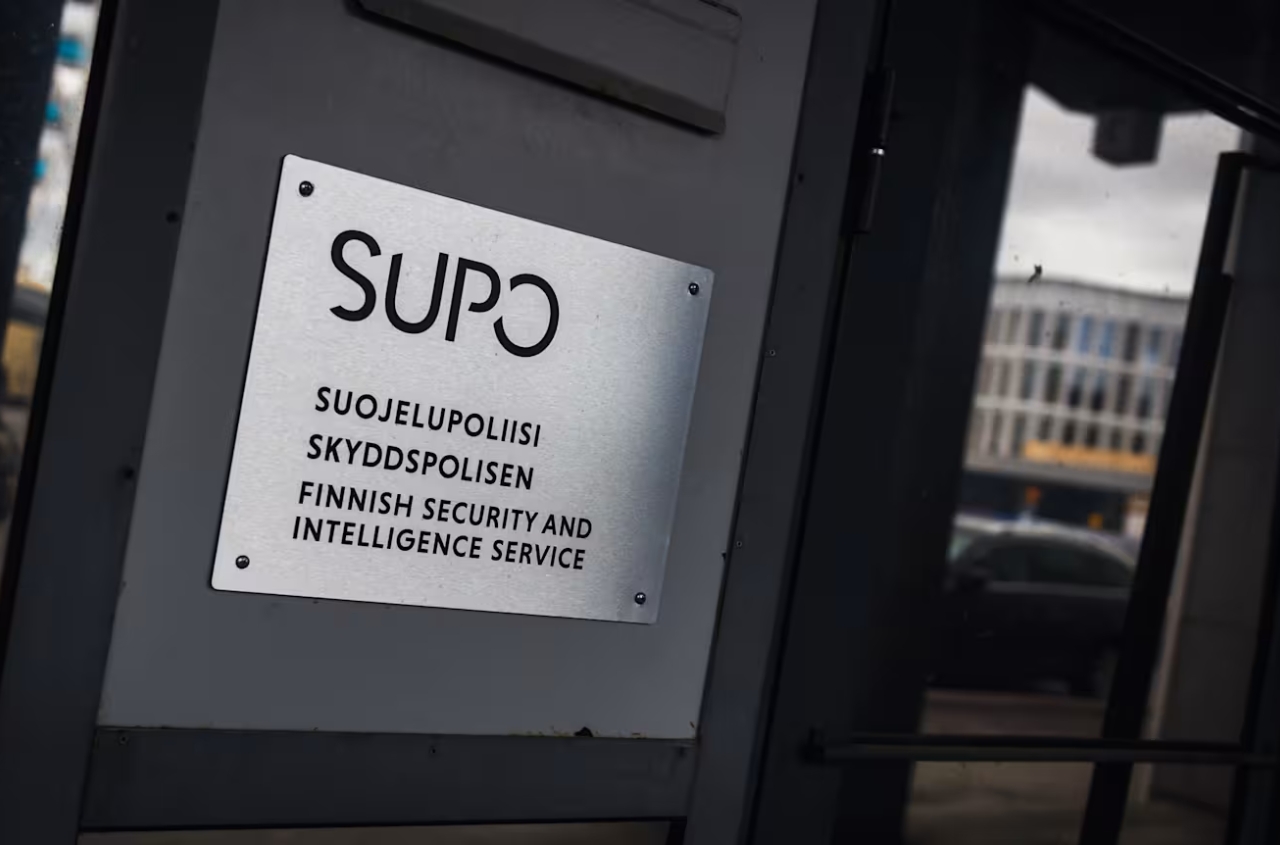

Finland’s Security and Intelligence Service (Supo) has published a national security review in which it details the methods used by foreign intelligence services, primarily Russia, to strengthen influence and gather intelligence in the region, as reported by Yle.
According to the report, presented as part of public hearings of a parliamentary committee, Russia and China remain the most active players conducting espionage against Finland.
The main interest of Russian intelligence services is focused on the country’s foreign policy, changes related to NATO membership, border policy, as well as critical and military infrastructure facilities.
At the same time, Supo specialists note that Russia’s resources are currently largely diverted to the war in Ukraine, which means it is not an all-powerful actor. Finland, unlike several other European countries, has not yet been subjected to direct sabotage attacks, and in cases of cable damage in the Baltic Sea no evidence indicating the involvement of the Russian state has been found. Nevertheless, attempts by Russia have been recorded to ensure the security of vessels of its shadow fleet by escorting them with naval ships and placing special security personnel on board.
The review also notes Russia’s use of such methods as state influence and espionage directed at refugees. The intelligence service emphasizes that excessive speculation about Russian influence can be harmful, as it only strengthens the image of its own omnipotence created by Moscow.
_1773142616.jpg/AbWPe3Y0MMQ093TiMjwQmvD8ZHyTiWNRrrLHBAxF.jpg)
At the same time, China continues to conduct long-term activities, combining cyber espionage with personal intelligence gathering to strengthen its global political positions. The level of the terrorist threat in Finland remains at an elevated third level on a five-point scale, with the main danger coming from supporters of radical Islamist or far-right ideologies.
In addition to foreign intelligence threats, Supo points to serious internal risks that could be used to destabilize society. The head of the agency, Juha Martelius, reported that organized crime, including motorcycle gangs, is actively seeking to infiltrate state structures such as the police and ports. During background checks among candidates for the Police University College, individuals with connections to the criminal world have already been identified.
Another threat to national security identified in the report is the segregation of residential areas. The concentration of migrants and socially vulnerable groups in certain districts of major cities creates the risk of the emergence of shadow societies, where the accumulation of unfavorable conditions makes young people vulnerable to recruitment by criminal networks and extremists. Experiences of social injustice and mental health problems predispose people to radicalization.
Additional risks are seen by intelligence services in the rapid growth of the popularity of home schooling, the number of supporters of which has nearly tripled since 2018. Supo fears that such closed structures could facilitate the spread of radical Islamist teachings that are extremely difficult for authorities to monitor.
The report also highlights threats associated with the use of international cloud services. The absence of European alternatives means that critically important data of Finnish companies and government bodies could fall into the hands of foreign state structures in the event of cyberattacks, while clients and the Finnish authorities might not even learn about the fact of a data leak or hacking.