

Main image: Kyrylo Chubotin/NurPhoto/NurPhoto via AFP
Factories producing missiles in Russia are receiving machine tools from Europe via Turkey, successfully bypassing strict export restrictions imposed by the European Union. A Turkish intermediary, co-owned by an EU citizen, shipped prohibited European industrial equipment worth around five million dollars to Russian metallurgical plants. These enterprises are key suppliers for Russian manufacturers of missiles and military aircraft, as reported by OCCRP.
According to customs documents obtained by journalists, the Turkish company Redwing Metal, founded shortly after the start of the full-scale invasion in 2022, was involved in supplying restricted technologies in 2023 and 2024. The equipment was delivered to Russian plants Stupino Metallurgical Company (SMK) and Aluminium Metallurg Rus (AMR). Both industrial giants are controlled by Russian businessman Nikolai Timokhin, the son-in-law of Igor Zavialov, who has long served as deputy head of Rostec, Russia’s state defense conglomerate.
The secret shipments included high-tech CNC lathes, a metal heat-treatment furnace, a powerful hydraulic press, a special machine for pre-assembly of aluminum discs, and conveyor systems from well-known Italian, German, Spanish, and Czech manufacturers. All of this European equipment is directly used to produce metal alloys later applied in Russian missiles and fighter aircraft. Alex Bursztynsky, co-founder of the US Institute for Global Training on Sanctions and a member of the International Working Group on Russian Sanctions, confirmed that the machines provide key capabilities for modern metallurgical production lines and effectively support Russia’s defense industrial base.
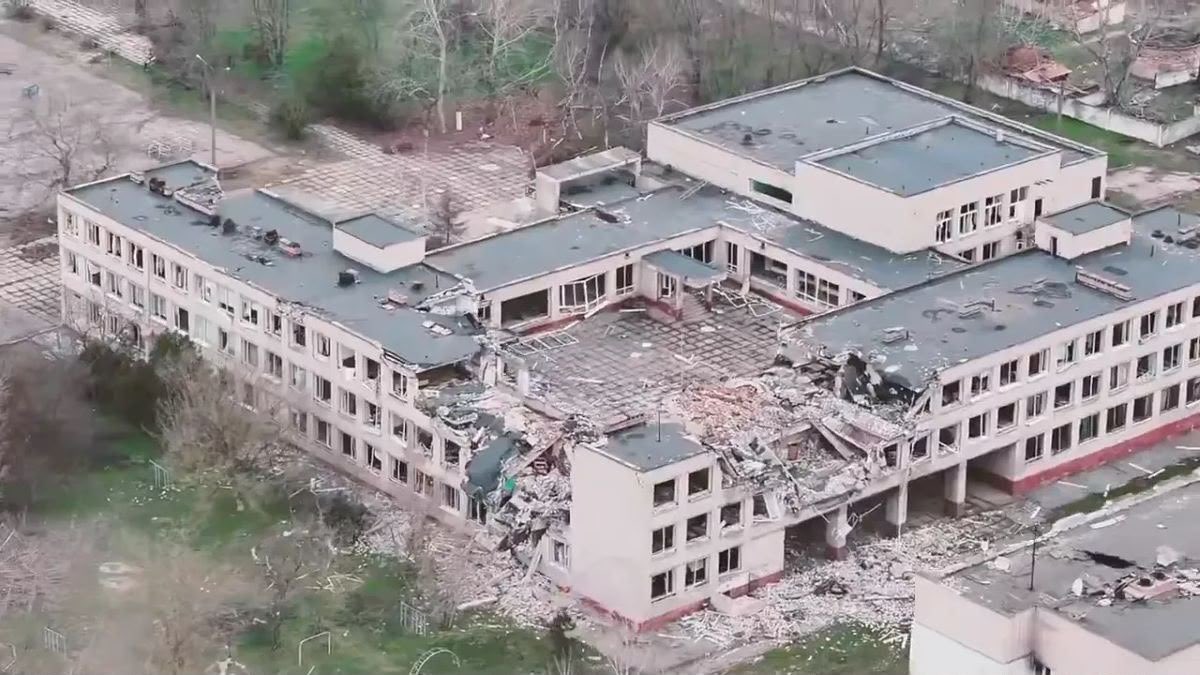
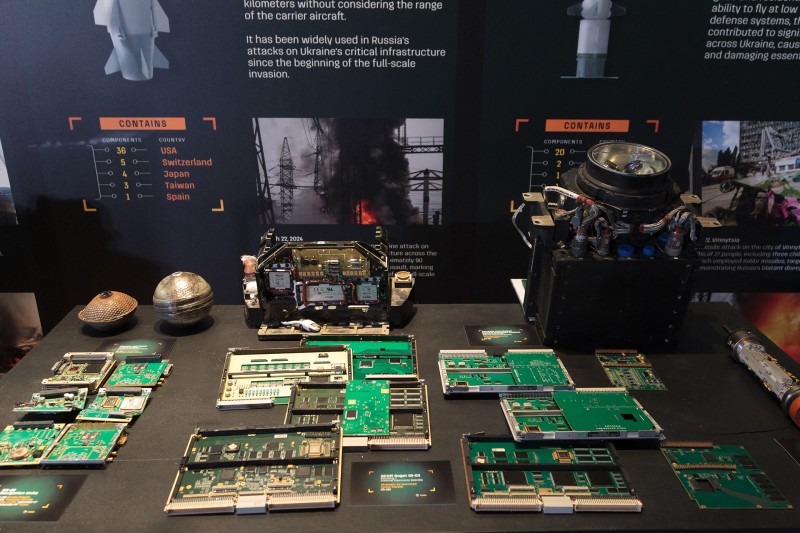
Analysis of financial documents showed that Timokhin’s factories have supplied products to more than forty Russian defense enterprises since the start of the full-scale war. Among the end recipients are factories producing Kh-59 cruise missiles, munitions for S-300 and S-400 air defense systems, and military aircraft. According to Ukrainian military intelligence, AMR produces metal parts for Su-34 fighter-bombers and Kh-101 strategic cruise missiles. One such missile, on May 14, 2026, struck a residential building in Kyiv, destroying 18 apartments and killing 24 civilians.
The co-founder of Redwing Metal is Dutch citizen Alexander Tattersall, who lives in Switzerland and owns 40% of the company. The remaining 59.9% belongs to a Turkish lawyer named Veysel Cengiz Soylemezoglu. Tattersall has long-standing commercial ties with Timokhin’s metallurgical group and previously managed a network of AMR distributors in Europe and the United States. In response to journalists’ inquiries, Tattersall confirmed his co-ownership of the Turkish firm but attempted to distance himself from its operations, stating that, to his knowledge, Redwing Metal was never involved in schemes supplying sanctioned goods to Russia.
However, official customs records contradict these claims, identifying specific models of EU-made equipment. For example, Italian manufacturer MCM confirmed the sale of four CNC lathes to Redwing Metal in 2023. The company emphasized that the agreement explicitly prohibited re-export to sanctioned entities and said it had no knowledge of the machines being transferred to Russia. Other European manufacturers did not respond to written inquiries.
In addition to equipment for missile factories, customs data also revealed deliveries of European technologies for Russian naval shipbuilding. Through the Turkish intermediary, $1.3 million worth of anchors, mooring winches, industrial fans, and onboard wastewater treatment systems were delivered for installation on two Russian Navy vessels, one of which, named Mikhail Kalashnikov, was completed in mid-2025.
Sanctions experts directly state that rerouting European goods through Turkish companies amounts to a deliberate circumvention of EU restrictions. Erlend Bjørtvedt, founder of the Oslo-based consulting firm Corisk, noted that the technical specifications of the supplied goods fully match those explicitly banned from export, with some items under strict prohibition since early 2022. A European Commission spokesperson said that countering sanctions evasion via third countries is a key priority, but enforcement and punishment remain the responsibility of individual EU member states.
Meanwhile, the AMR, SMK plants, and Redwing Metal remain outside EU and US sanctions lists, despite continuing to supply Russia’s military industry with scarce European equipment during the war.