

The European Union has adopted its 21st package of sanctions against Russia, expanding restrictions on the country’s energy revenues, financial sector, crypto services and military-industrial complex.
The package includes 218 new sanctions listings — 48 individuals and 170 entities — the largest number added in a single package since the start of Russia’s full-scale invasion of Ukraine. The measures are intended to further restrict Moscow’s ability to finance the war and obtain technologies used by its defence industry.
One of the main targets is Russia’s financial sector. The EU has expanded transaction bans to cover more than 100 Russian banks and additional banks in third countries. New restrictions also target crypto platforms and companies that the EU says facilitate sanctions circumvention.
The EU also added 41 vessels to sanctions against Russia’s so-called shadow fleet, on top of 632 vessels already listed. They will be banned from accessing EU ports and receiving certain services. For the first time, the EU is also targeting vessels that provide services to sanctioned tankers, including five ships used to refuel them.
Energy measures include restrictions on Russian ports and airports, oil traders and infrastructure involved in processing Russian oil. The EU will also require notification of LNG tanker sales to third countries and will consider introducing a full ban on sales of such vessels to Russia.
The package further tightens export controls on goods and technologies that could support Russian weapons production. New restrictions cover certain metal powders and alloys used in aerospace and drone manufacturing, as well as technologies including jamming equipment.
Another 51 companies have been identified as supporting Russia’s military-industrial complex or helping circumvent sanctions. Twenty-four are based in Russia and 27 in third countries, including 14 in China, four in Türkiye, three in Kyrgyzstan and companies in India, Kazakhstan and the United Arab Emirates.
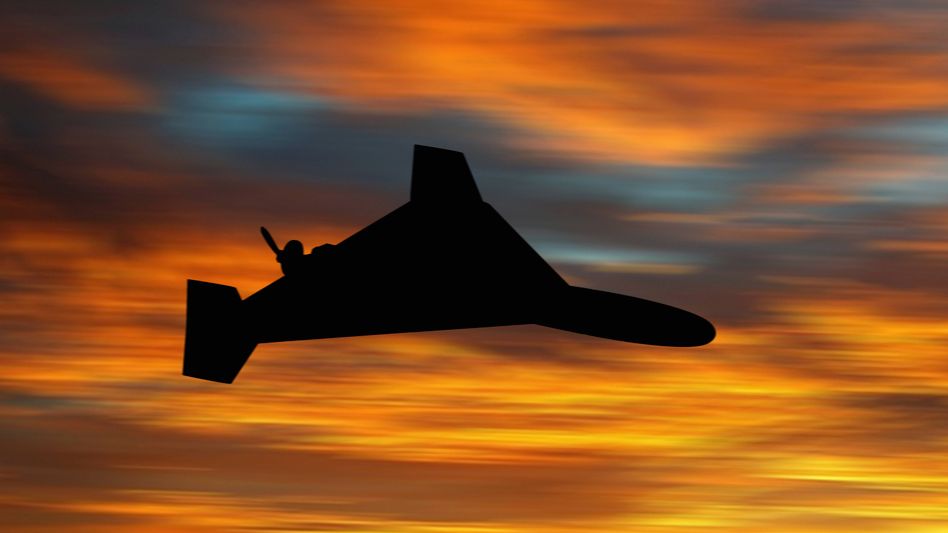
Among the new individual and corporate listings, 56 target Russia’s military-industrial complex, with 37 directly linked to the production and supply chain of long-range drones. The EU also imposed sanctions on banks and financial institutions, oil and refining companies, gold and diamond businesses, shadow-fleet operators and individuals involved in Russian war propaganda.
The package also establishes a basis for a future EU-wide visa ban on Russian military personnel and members of proxy groups who have participated in the war against Ukraine. The measure will enter into force after the necessary implementing procedures are completed.
According to the European Commission, EU energy payments to Russia in 2025 were 85% below their 2021 level, while EU exports to Russia had fallen by 66% and imports by 83% over the same period. The Commission said Russia’s GDP contracted by 0.2% in the first quarter of 2026 and forecast growth of 1.3% this year and 1.1% in 2027.