

European countries that do not share a direct border with Russia or its satellite Belarus often do not fully grasp the level of threats arising from such a neighborhood.
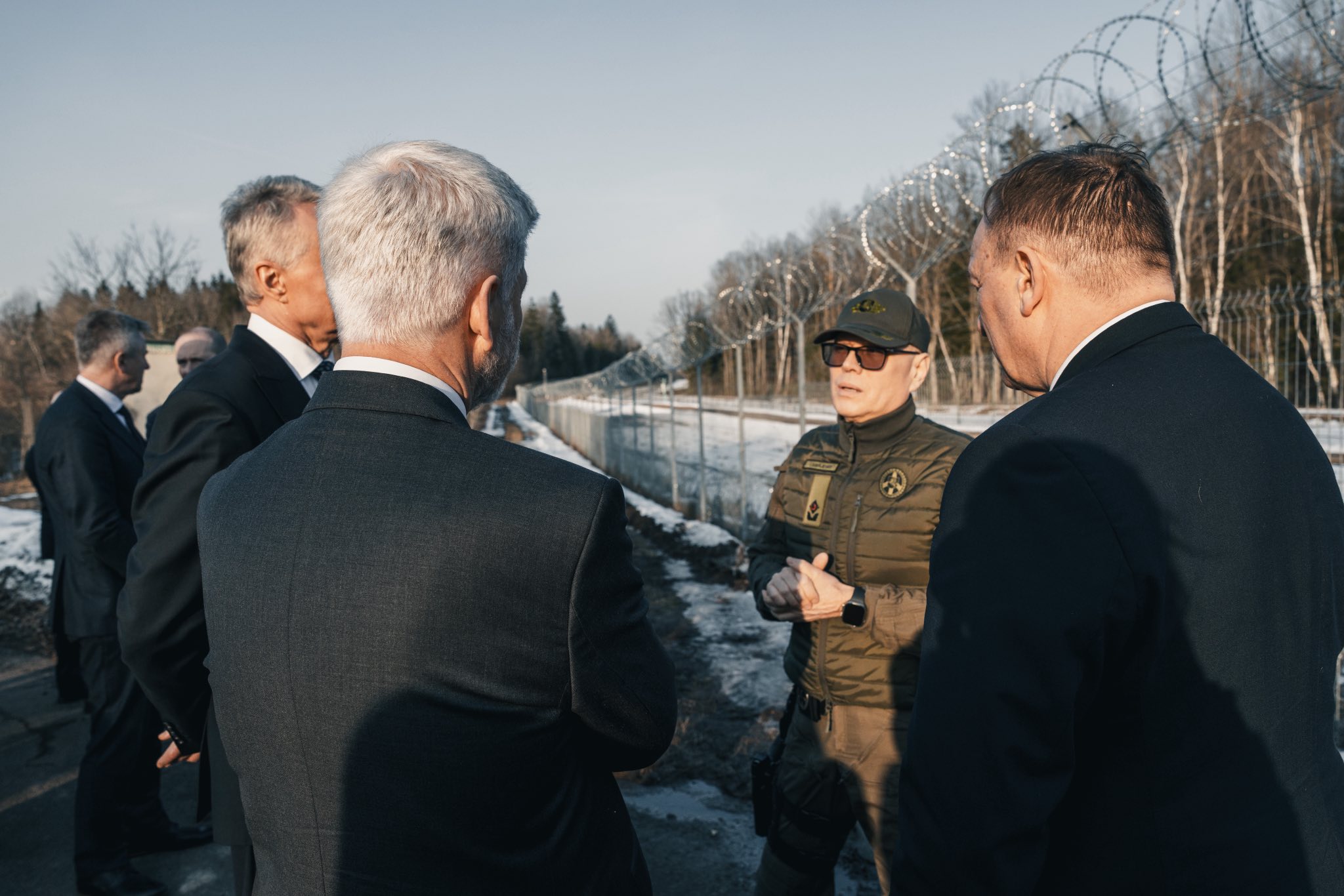
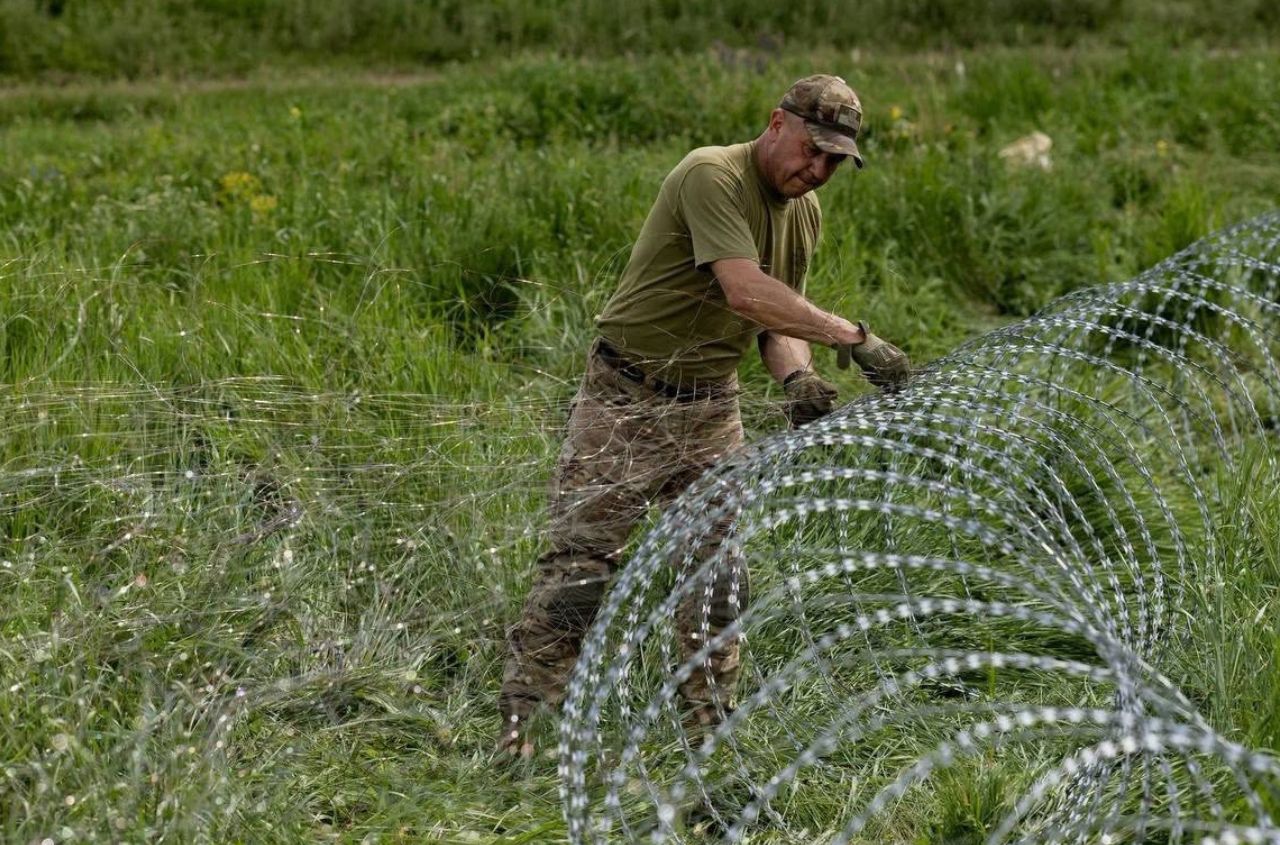
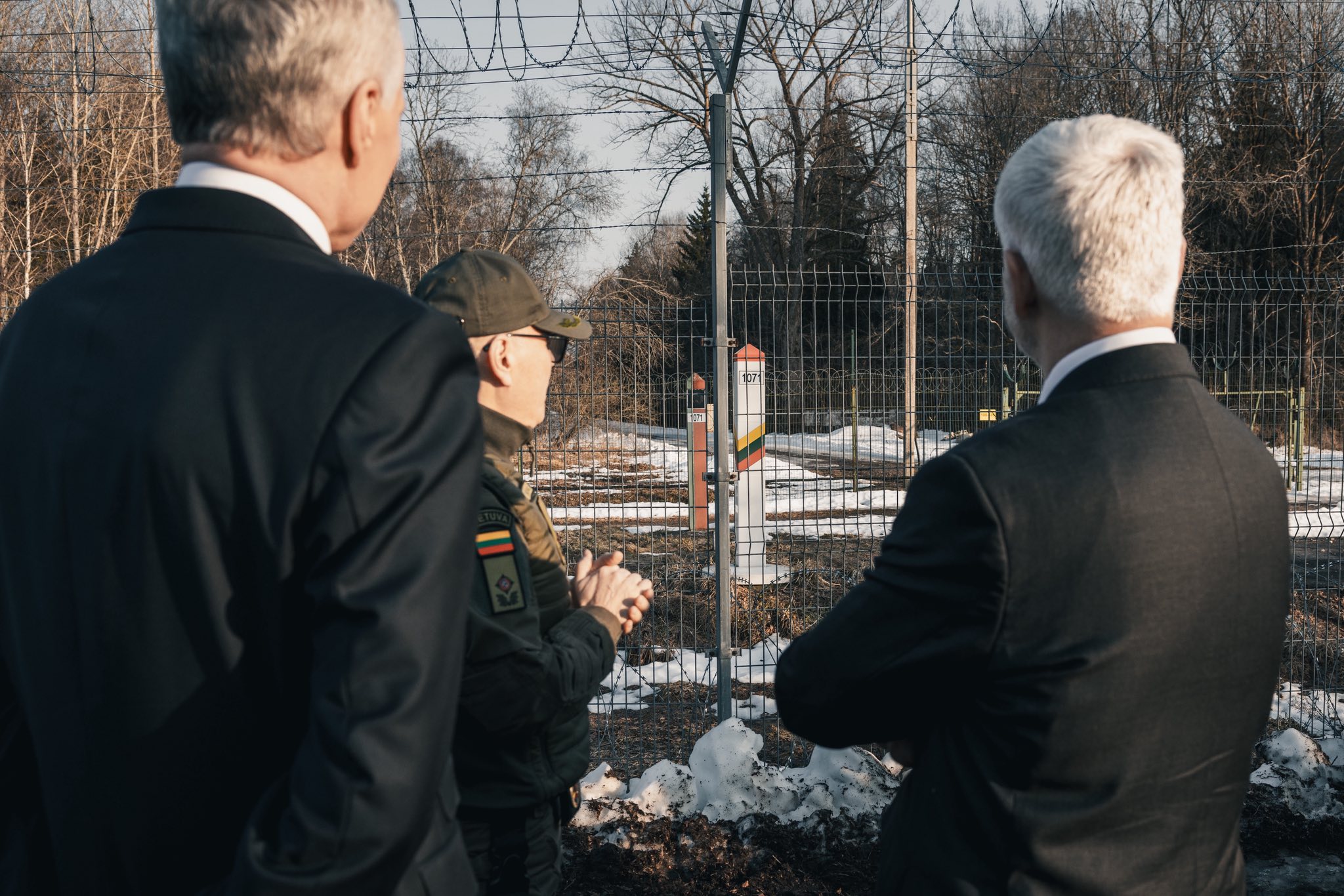
This was stated by Czech President Petr Pavel following his visit to the Lithuania-Belarus border, where guests were shown how the border is secured and what violations border guards face.
“A person from Central Europe often does not realize the scale of the task involved,” Pavel noted.
Among the hybrid threats, he specifically mentioned state-supported illegal migration from Russia and Belarus, aimed at destabilizing neighboring countries.
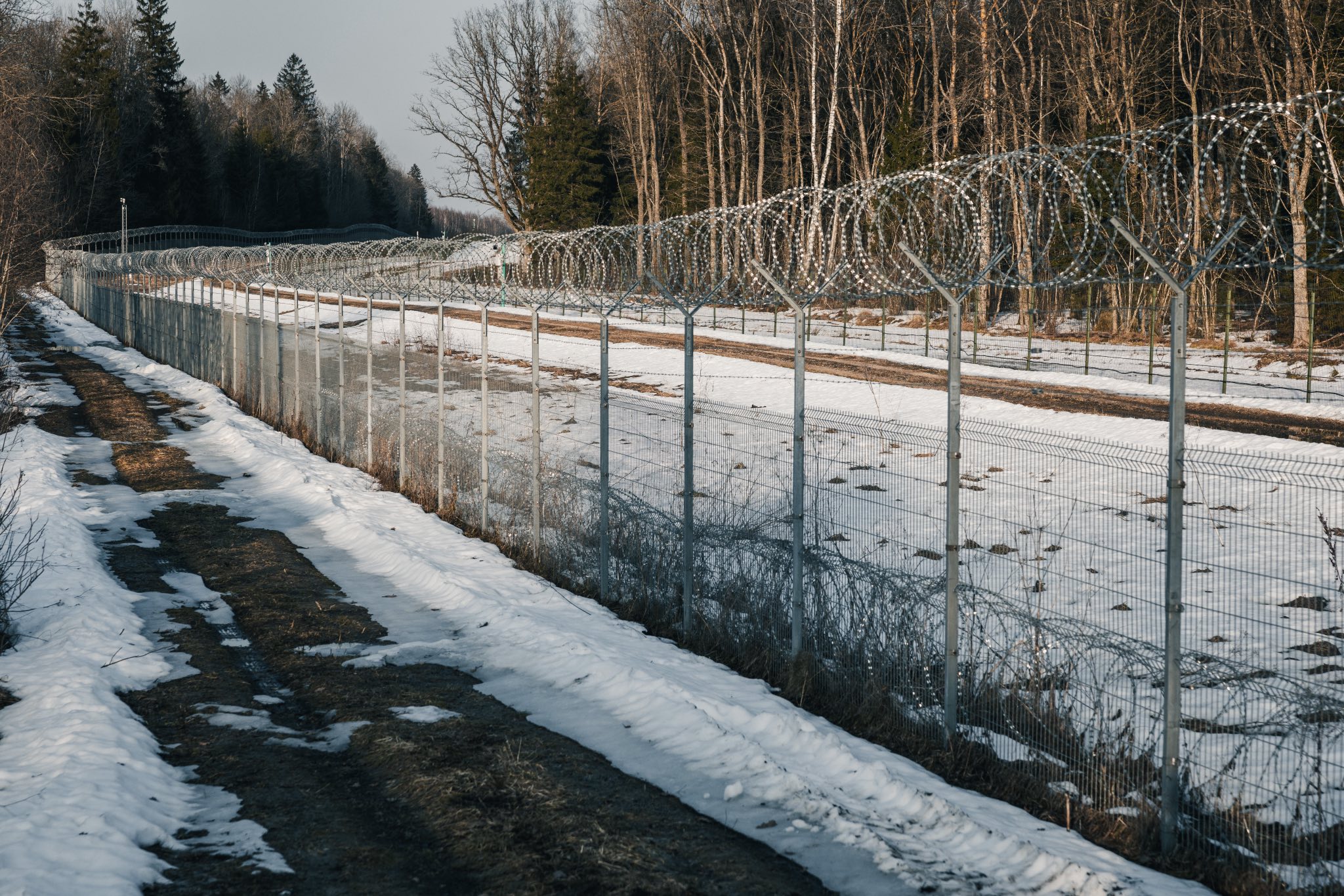
“These border crossings are deliberately organized not only to burden border services but also to destabilize the state through the large number of migrants who require care,” the politician said.
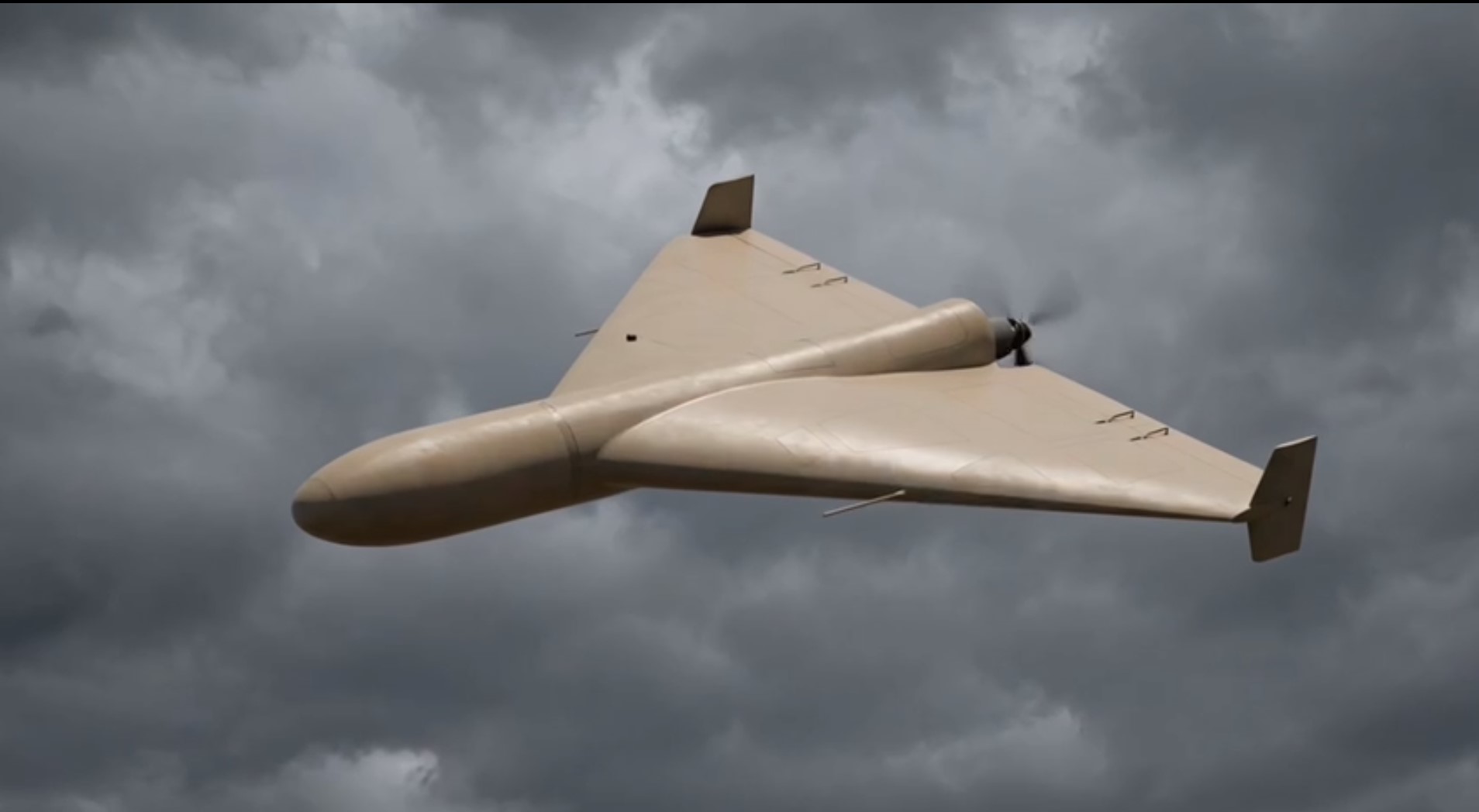
He also emphasized airspace violations, which pose serious threats to aviation, citing Vilnius International Airport as an example where aviation safety could be endangered.
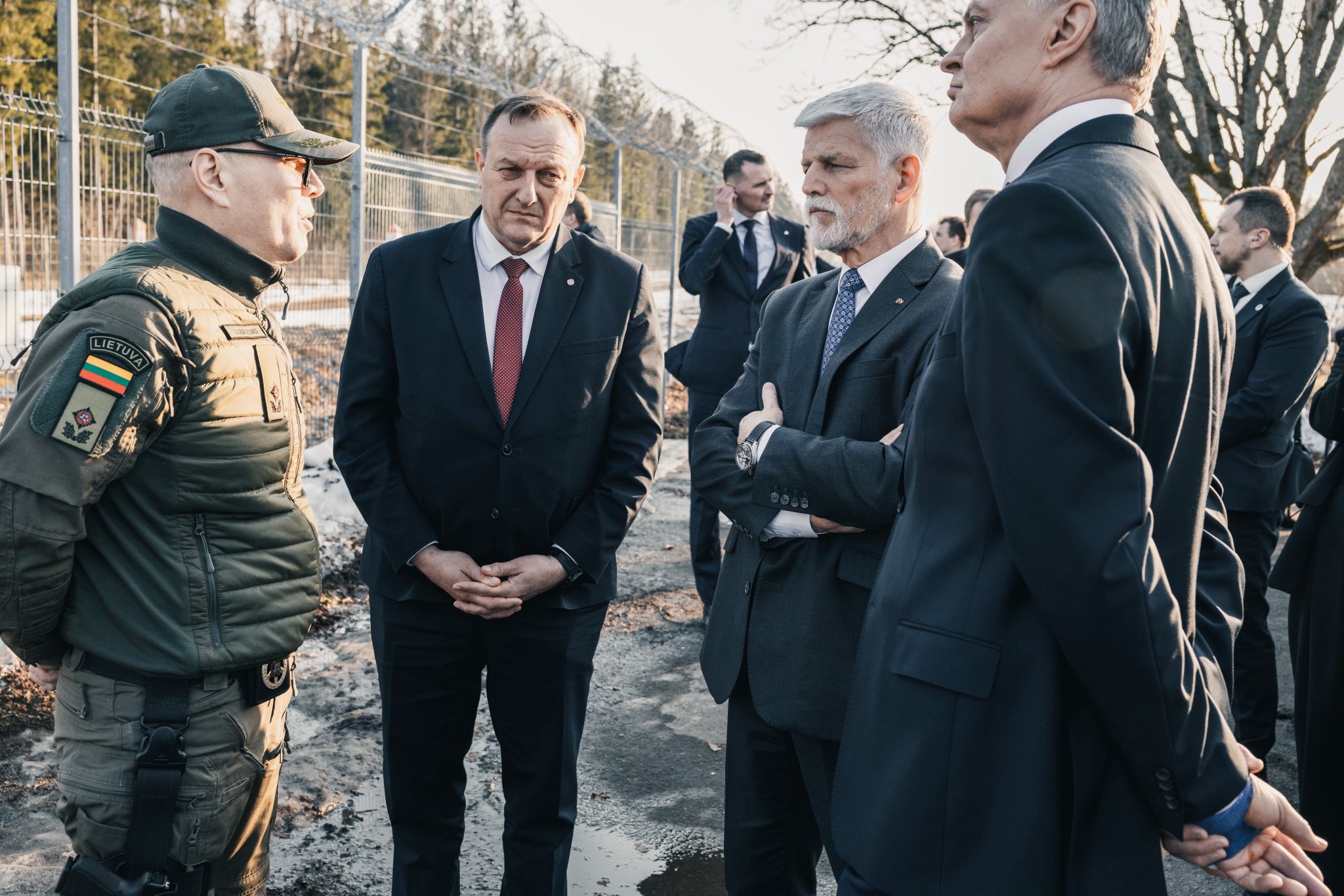
Pavel described his main impression from meeting Lithuanian President Gitanas Nausėda and other leaders as gaining “a completely different perspective on the situation” than, for instance, in the Czech Republic. In the Baltic countries, he noted, no one debates the source of the threat or whether risks exist. Regardless of political affiliation, both citizens and political representatives at various levels support increased defense spending.
“Here, no one doubts the necessity of supporting Ukraine — in every possible way. They have committed to spending at least a quarter of a percent of their GDP on aid to Ukraine, and they adhere to, even exceed, this target. Moreover, they participate in a NATO-managed mechanism that pools allied funds for the procurement of U.S. weapons, ammunition, and equipment for Ukraine,” the Czech president emphasized, highlighting the Baltic countries’ contribution. He stressed that they understand well that Ukraine’s defeat would be a major problem for them and would make them a target of new Russian aggression.