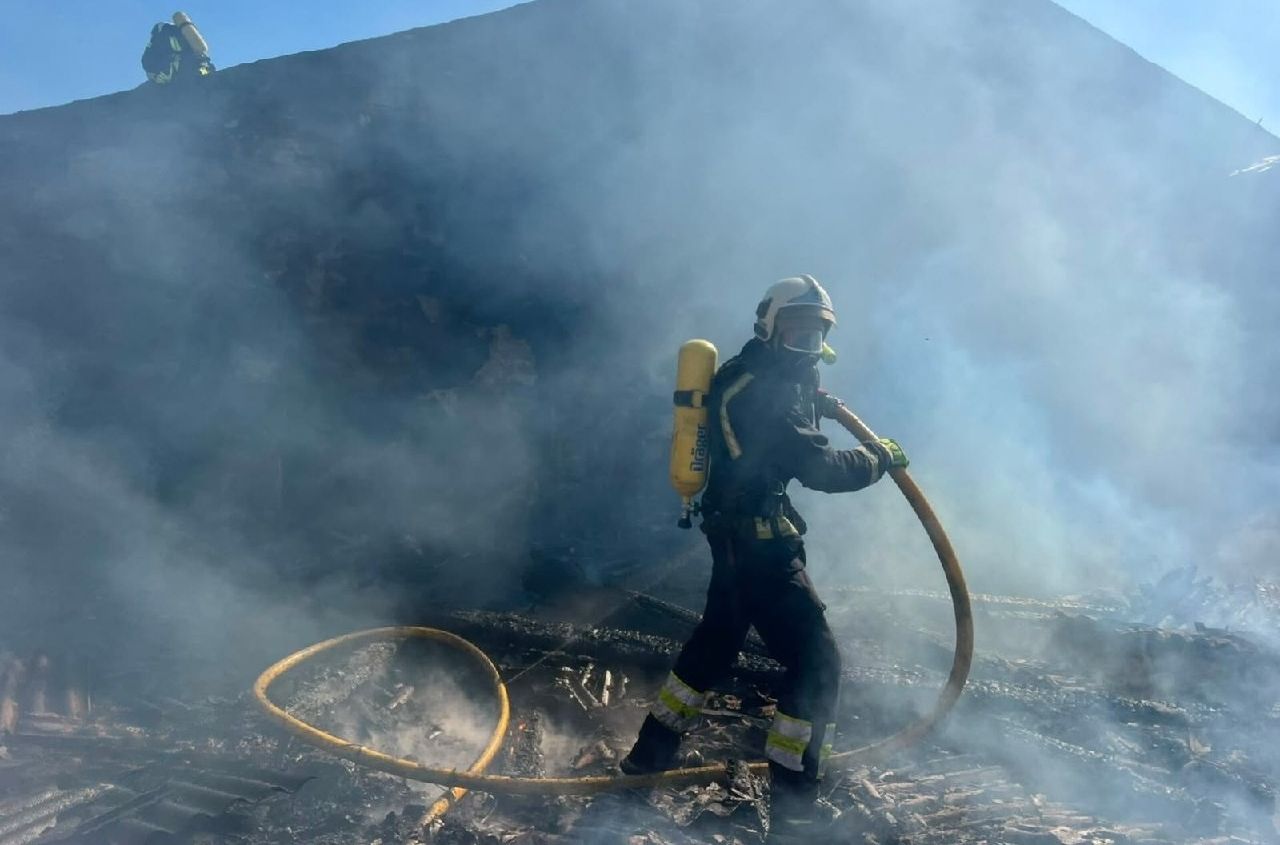



European coastal states are shifting from occasional inspections to systematic enforcement of maritime law in order to curb the activities of Russia’s “shadow fleet” and make sanctions evasion as costly as possible. These actions are critically important for NATO, as they shape the future strategy of deterrence and the risks of escalation in relations with Moscow. By early March 2026, the United States, the United Kingdom, and at least eight European countries had already begun actively inspecting, detaining, or seizing vessels linked to Russia, as reported by IISS.
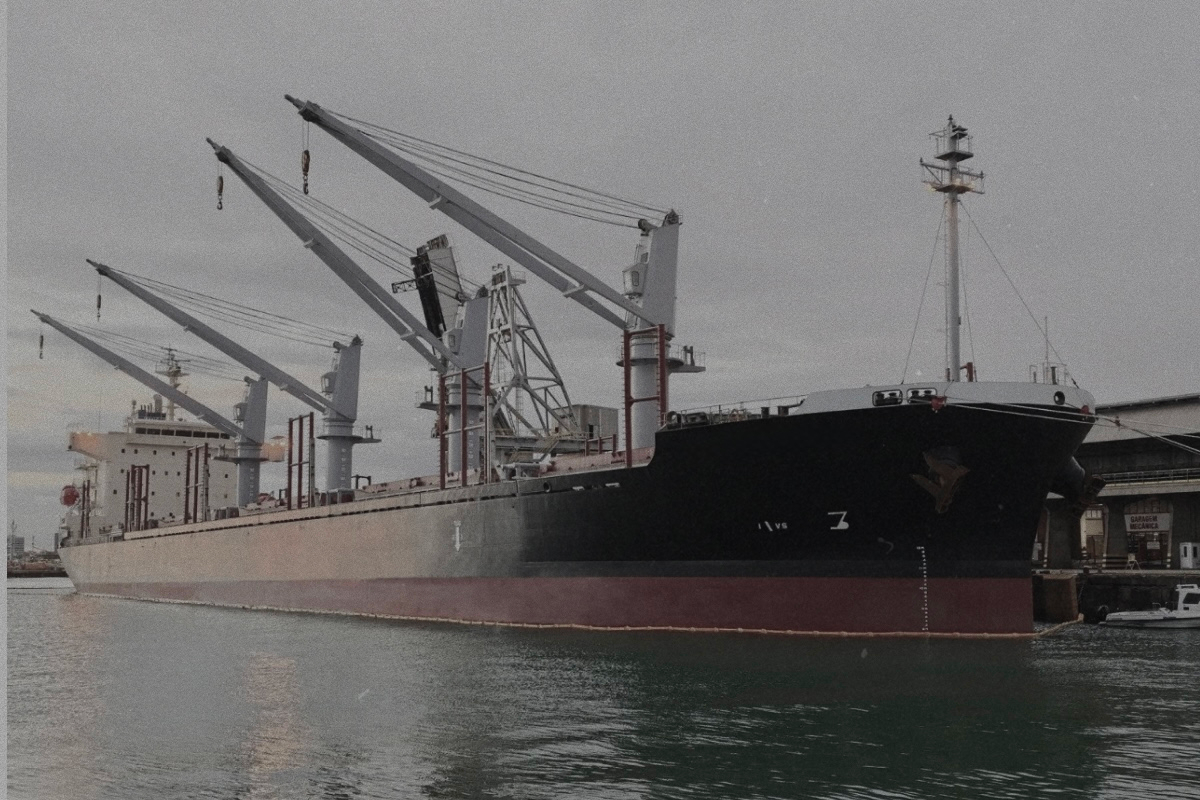
In the Baltic Sea on March 6, 2026, the Swedish Coast Guard took control of the cargo vessel Kaffa near Trelleborg to check its seaworthiness. Earlier, Belgian and French military forces conducted Operation “Blue Offender” in the North Sea, boarding the tanker Etera. The vessel is suspected of using a false flag and forged documents. These measures followed a January statement by Baltic and North Sea countries warning about growing threats, including manipulation of navigation data and risks posed by vessels evading sanctions.
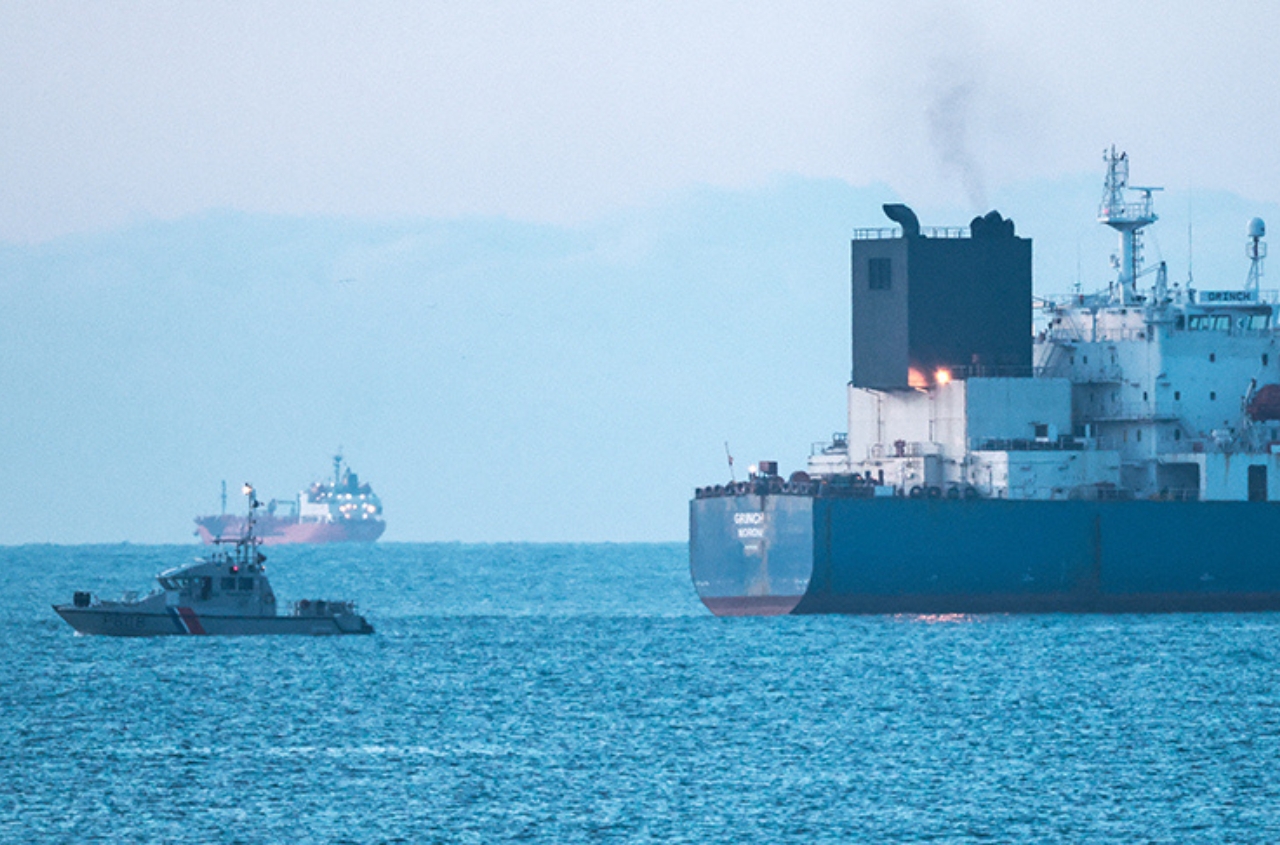
France also set a precedent in January 2026 by seizing the tanker Grinch, operated by Argo Tanker Group, in the Alboran Sea. The ship was sailing under the flag of the Comoros Islands. It was escorted to Marseille-Fos, and a substantial fine was imposed for its release.
Russia is adapting to the pressure by re-registering tankers under its national flag to ensure sovereign protection and occasionally using military escorts. In late January, the tanker General Skobelev passed through the English Channel under the protection of a Russian corvette. The Kremlin’s goal is not to escort every vessel but to create the impression that it could do so, thereby raising the political cost of interceptions for Europe and testing NATO’s cohesion. The situation is complicated by the enormous scale of illicit shipping: over the past four years more than 9,500 voyages by Russian tankers have been recorded through the Dover Strait, and in January 2026 alone, 42 sanctioned vessels passed through the English Channel.
In addition to forceful seizures, states are also using environmental and administrative tools. Since the average age of vessels in the “shadow fleet” is about 18 years and insurance is often absent, they are frequently detained on environmental protection grounds. For example, German authorities denied entry to the tanker Arkusat after demanding proof of insurance, after which it headed toward the Arctic. In late 2025, Finnish special forces seized the vessel Fitburg in the Gulf of Finland during an investigation into damage to a communications cable, discovering export-restricted steel on board. In Brindisi, Italian customs officials detained the bulk carrier Hizir Reis carrying 33,000 tons of Russian metals.
Further tightening of control carries the risk of an asymmetric response from Russia, including cyberattacks on ports, sabotage of critical infrastructure, and legal disputes, the publication notes. Amid volatile energy prices, any disruption in oil supplies creates political risks. However, experts emphasize that fragmented and hesitant actions would only undermine the sanctions regime and NATO’s deterrence power. For success, coastal states need a unified strategy that will allow them to consistently enforce sanctions while effectively managing the risk of direct military confrontation in contested waters.