

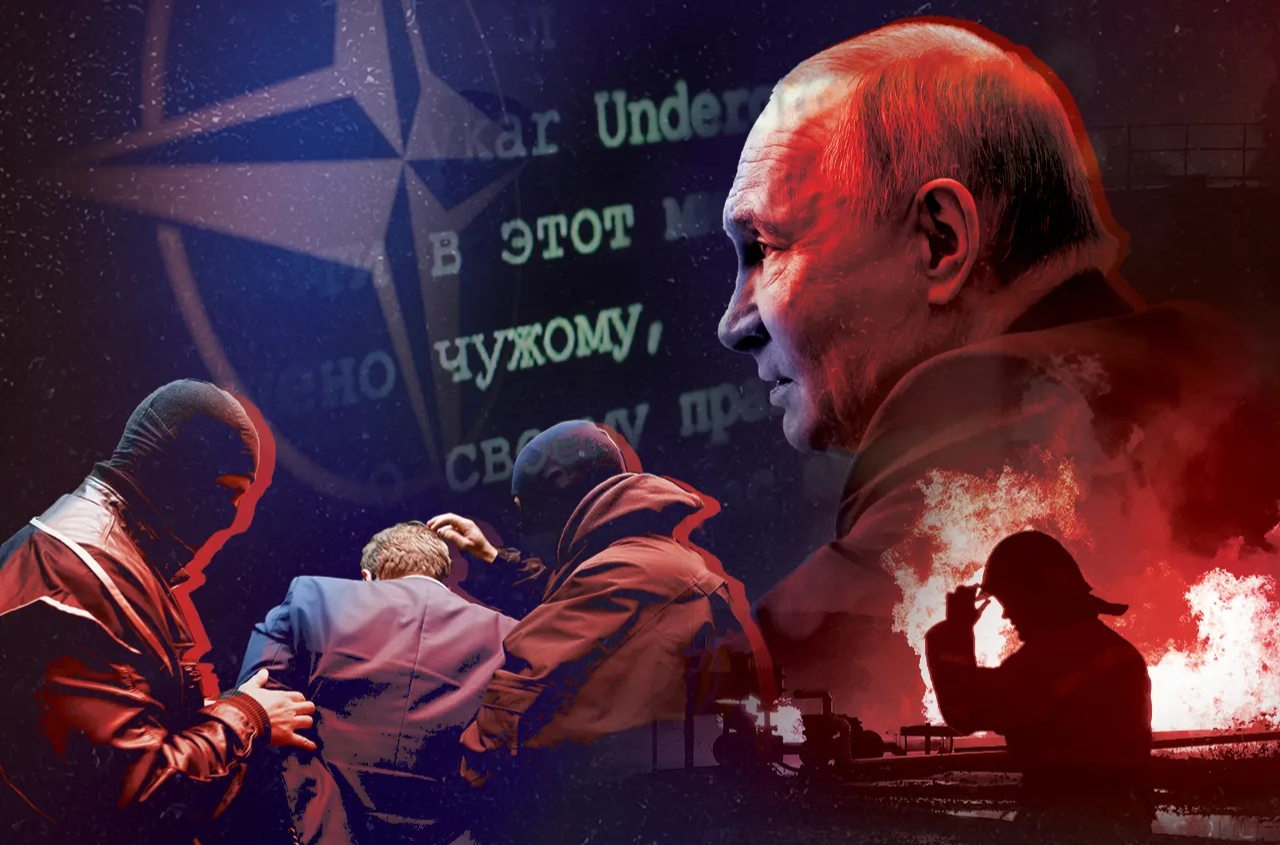

Russia has completely stopped fearing “red lines” in its hybrid confrontation with the West, shifting from covert influence to direct physical aggression and sabotage on NATO and EU territory, according to a comprehensive report by the CEPA think tank. The authors note the beginning of a new, more dangerous phase of the Kremlin’s shadow war.
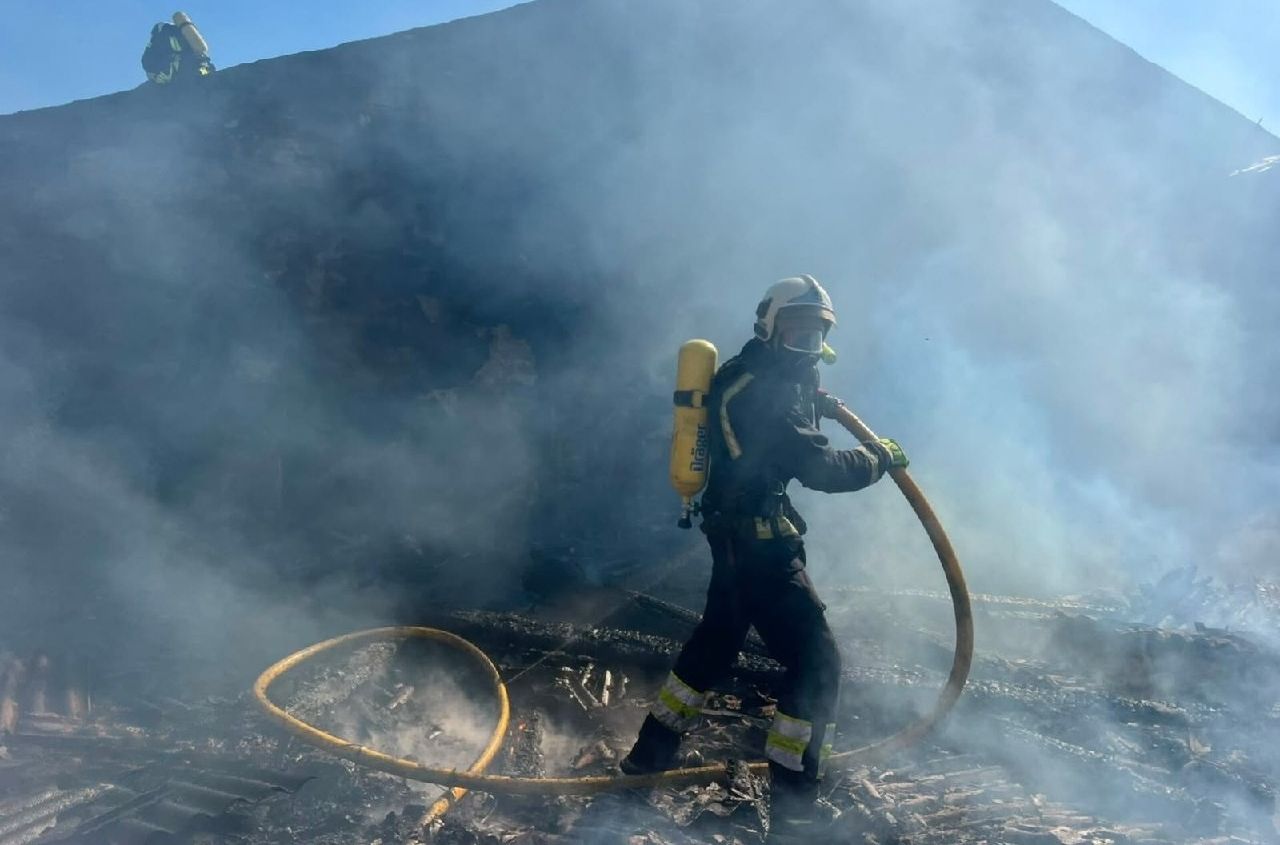
Experts emphasize that Moscow no longer limits itself to disinformation or cyberattacks: its strategy now includes arson at shopping centers, attempts on the lives of defense industry leaders, and sabotage of critical infrastructure. Russian leadership is consciously taking the risk of escalation, confident in Western governments’ indecision and reluctance to respond symmetrically to provocations.
The report details a radical shift in tactics by Russian intelligence services — GRU, SVR, and FSB. Instead of preparing long-term covert agents, Moscow has begun mass recruiting operatives through social media and messaging apps among criminals and radicals. This allows operations to be conducted “through third parties” at minimal cost while retaining plausible deniability. Examples of this strategy include warehouse arsons in Poland and the UK, surveillance of U.S. bases in Germany, and large-scale GPS spoofing over the Baltic Sea, endangering civil aviation. CEPA analysts note that such activity is part of a unified strategic plan to undermine Western public support for Ukraine and create chaos within Europe.
The report also highlights that Russia no longer treats cyberspace as a separate domain, using it to complement physical violence. Hacker attacks on energy grids and water systems in European countries are synchronized with information campaigns designed to provoke social unrest and distrust of government institutions.
The authors point out that the Kremlin skillfully exploits Western democratic openness against itself, turning freedom of speech and movement into tools for disinformation and insertion of sabotage teams. Current deterrence measures, experts argue, are ineffective, as Moscow interprets the lack of a strong response as weakness and a direct invitation for further aggression.
To effectively counter Russia’s shadow war, the report insists that measures must go beyond strengthening counterintelligence and move toward offensive action. The authors propose exposing the identities of operation handlers, blocking the financial networks paying saboteurs, and imposing sector-wide sanctions on the Russian economy in response to each proven act of sabotage. The report stresses that the era of diplomatic concern is over: if the West does not demonstrate a willingness to defend itself as decisively as Russia attacks, the shadow war will inevitably escalate into an open conflict with unpredictable consequences for global security.