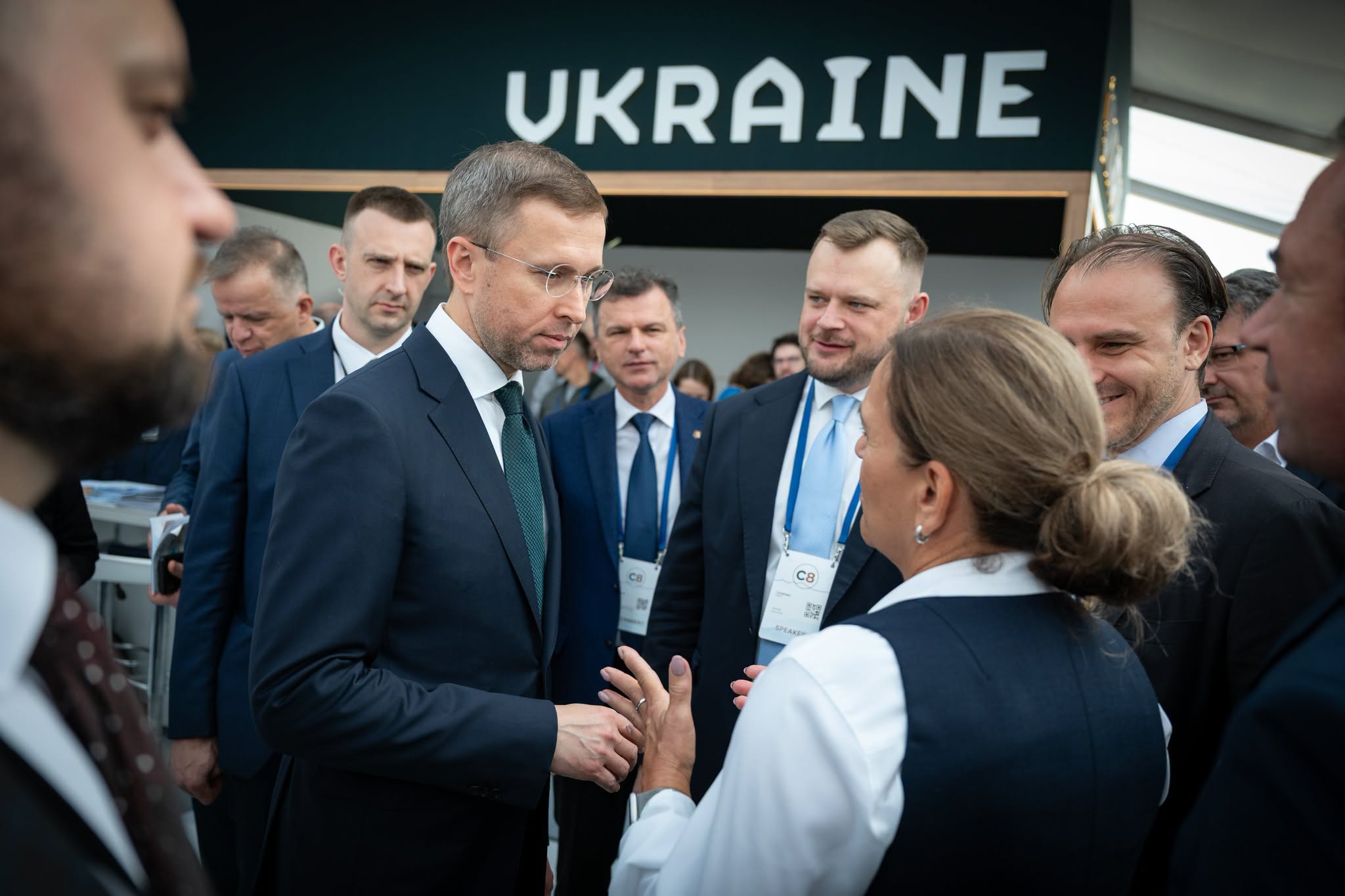


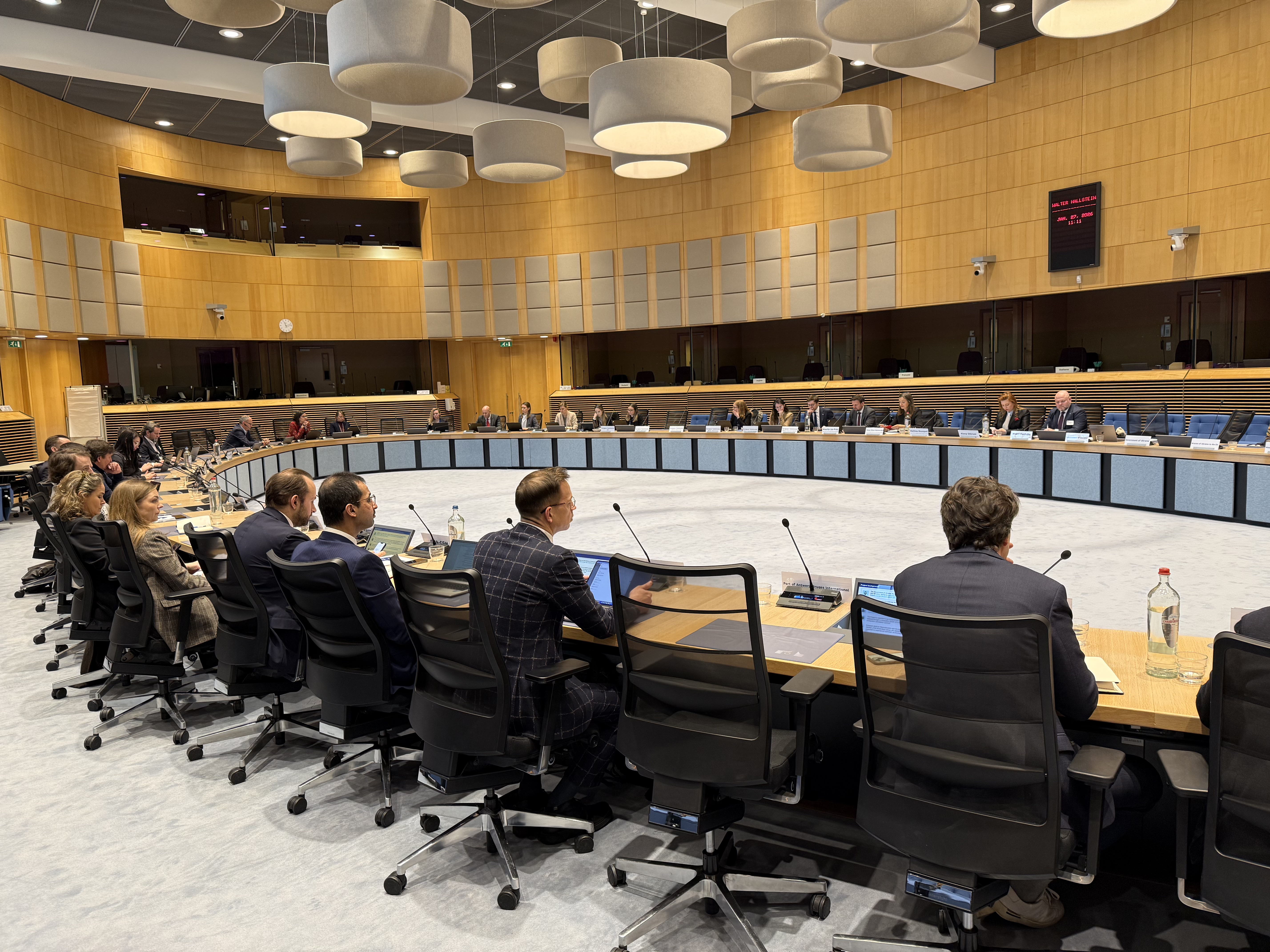
A Brussels event was held focusing on the competition to select a concessionaire for the First and Container Terminals of the Port of Chornomorsk, organized by the European Commission.
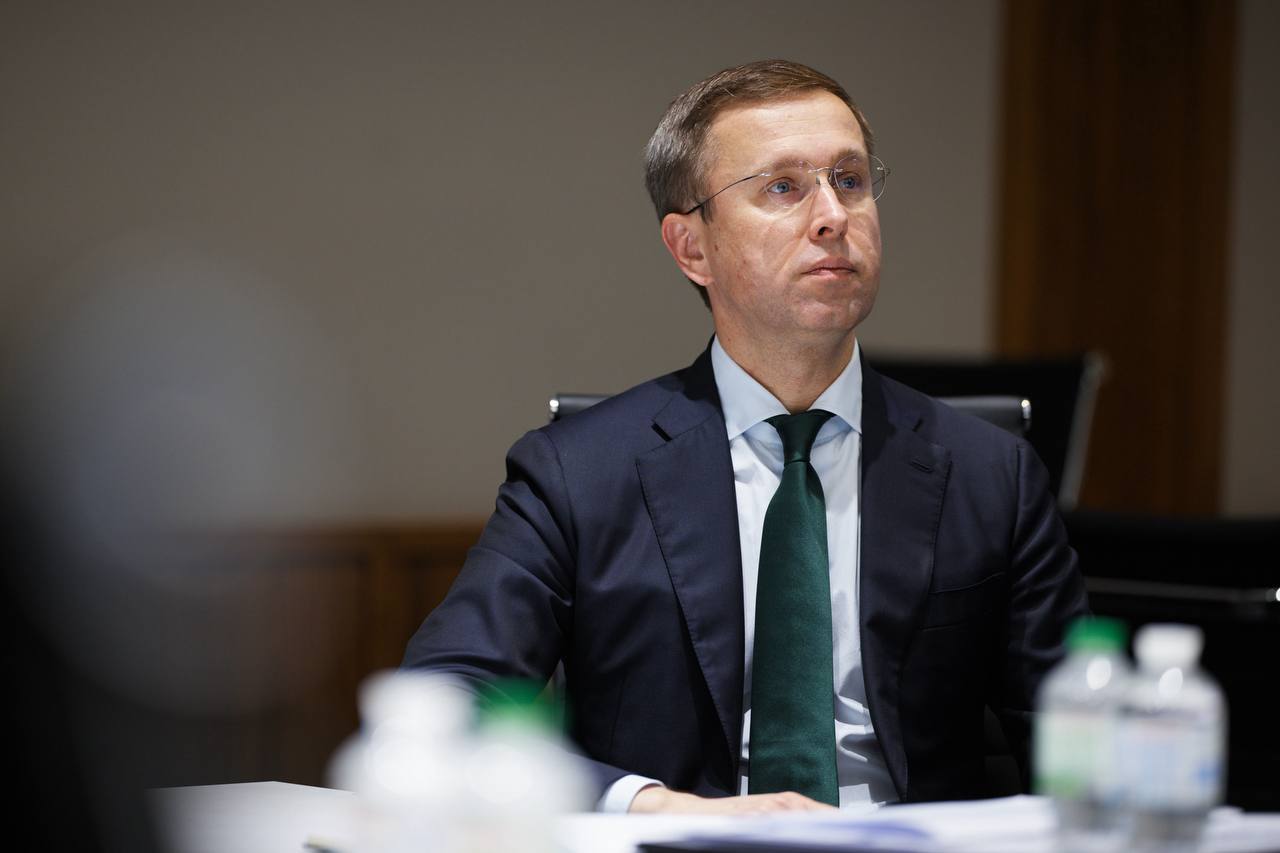
The event was attended by Ukraine’s First Deputy Minister for Communities and Territories Development Aliona Shkrum, Deputy Minister Andrii Kashuba, Director for Enlargement Coordination, Strategy, and Investment at the European Commission (DG ENEST) Matthieu Busquet, as well as 42 representatives from international and Ukrainian businesses, including global container operators, heads of major European ports, and international infrastructure investment funds.
During the event, representatives of the Ministry of Communities and Territories Development, together with advisors from the EBRD and IFC, presented the key parameters of the public-private partnership (PPP) project and explained the procedure for the competition, including selection stages, the competitive dialogue mechanism, and the approach to evaluating proposals.
Aliona Shkrum emphasized that the concession is not privatization but involves transferring terminal management to a private partner for up to 40 years through an open competition, while the state retains ownership of strategic assets and controls the investor’s fulfillment of obligations.
Deputy Minister Andrii Kashuba highlighted the resilience of the port sector and Ukraine’s readiness to attract investment even during the war. He shared data on cargo turnover and container transport growth, presenting the PPP project at the Chornomorsk port as one of Ukraine’s key infrastructure investment initiatives.
In 2025, Ukrainian ports handled 86.2 million tons of cargo, and container traffic increased by 66% to 215,748 TEU. Ukrainian seaports demonstrated their operational capacity and strategic role in global supply chains even during full-scale war, sending a strong signal to investors about the sector’s resilience and growth potential.
Kashuba noted that the Chornomorsk port terminals are among Ukraine’s most promising container assets and are important for developing logistics chains for both Ukraine and the EU. The project aims to strengthen Ukraine’s integration into global logistics markets and create additional trade opportunities.
The event concluded with an open discussion among European companies, Ukrainian businesses, and other stakeholders about the competition conditions, selection procedures, and investor expectations.
A separate session focused on the Ukraine Investment Framework and its role in attracting private capital for the country’s reconstruction. According to World Bank estimates, Ukraine’s reconstruction and recovery needs exceed $524 billion, with nearly $350 billion intended for modernization, digitalization, and long-term economic competitiveness, where private capital plays a key role.
The Ukrainian government is systematically reforming public infrastructure financing with an emphasis on public-private partnerships. Private financing is now a priority mechanism for infrastructure projects. Ukraine has created a Strategic Investment Council, launched the digital platform DREAM, and is developing a transparent project pipeline open to investors.
The Brussels meeting was a key step in implementing the concession competition and sent a clear signal to the international business community about Ukraine’s openness to long-term infrastructure partnerships.