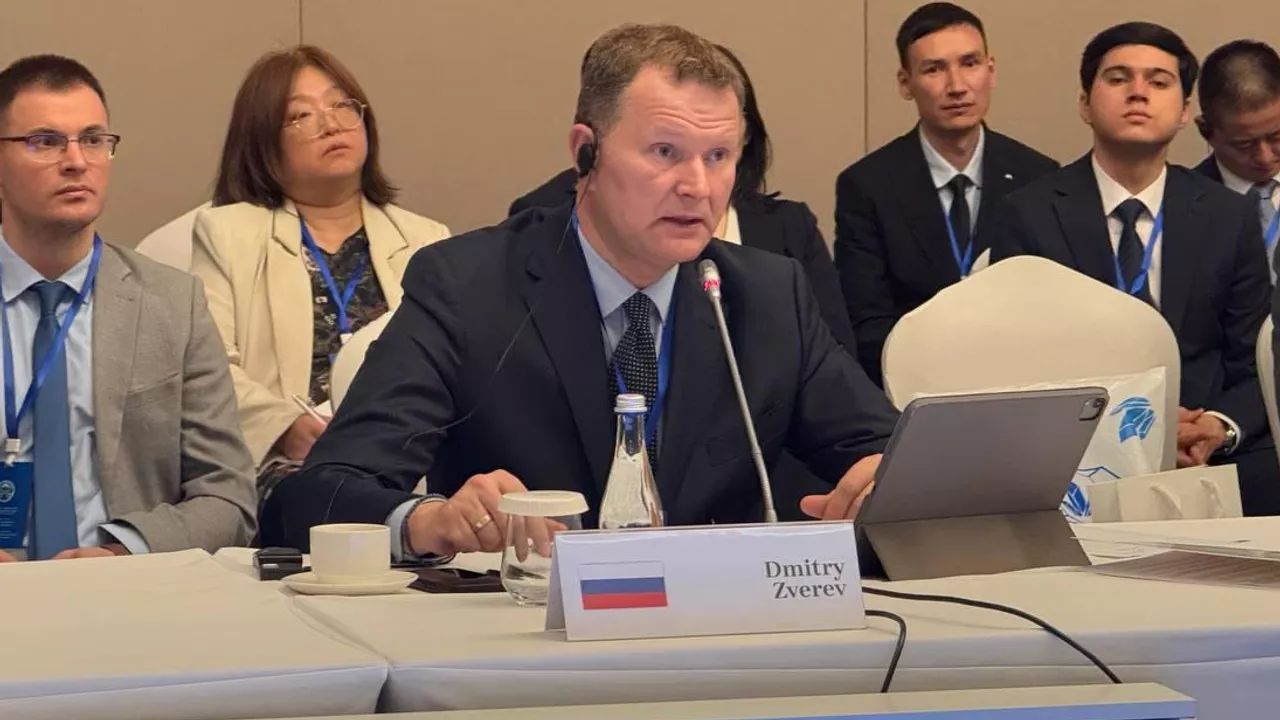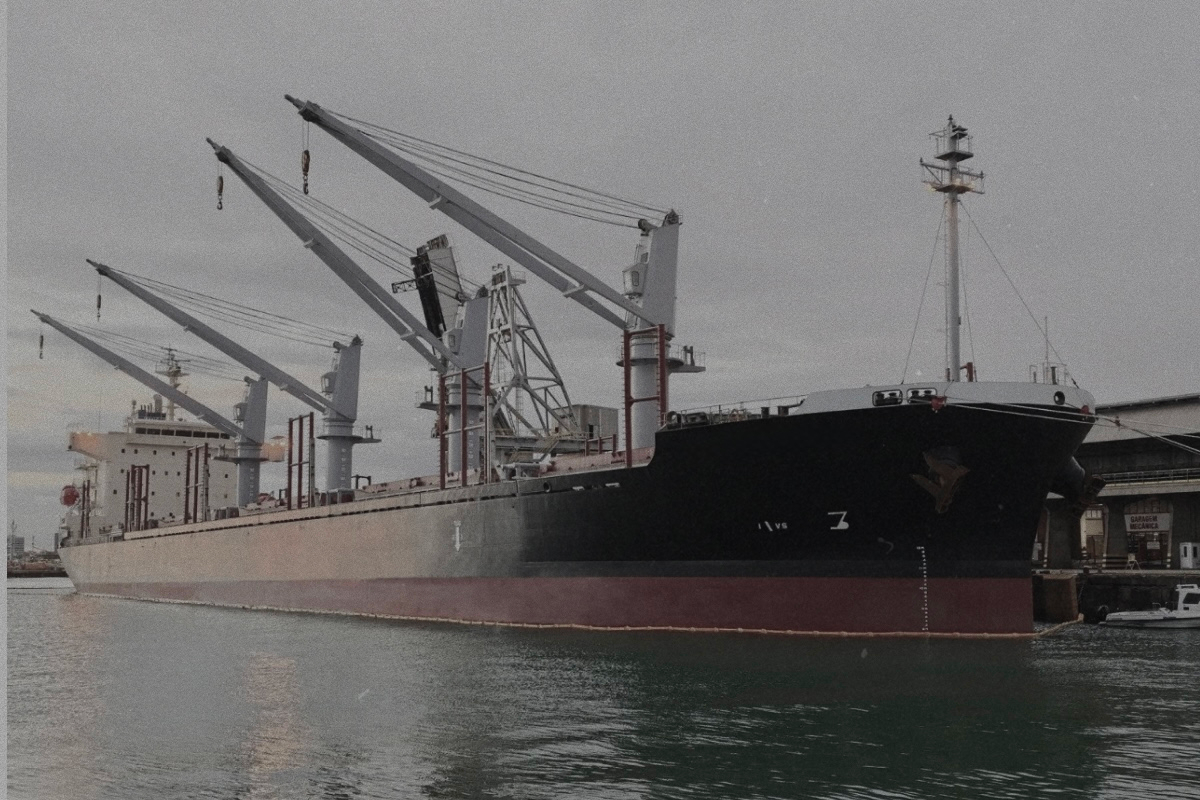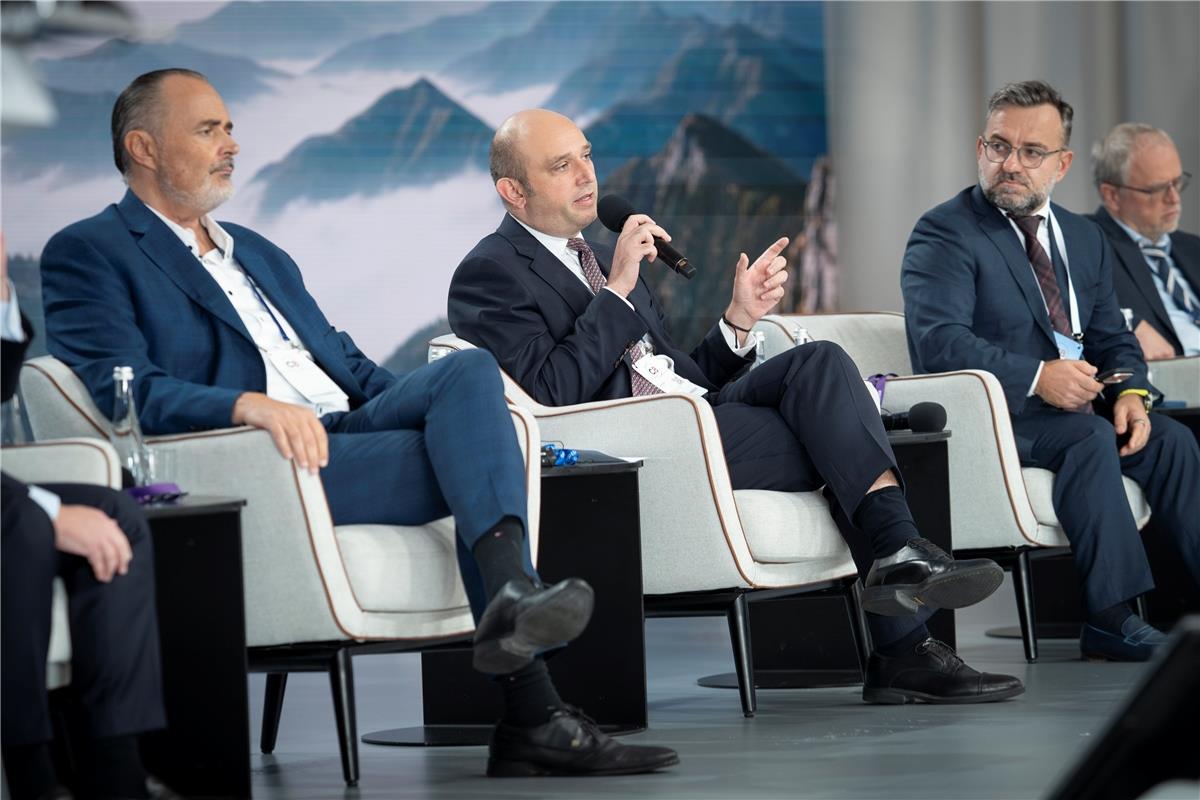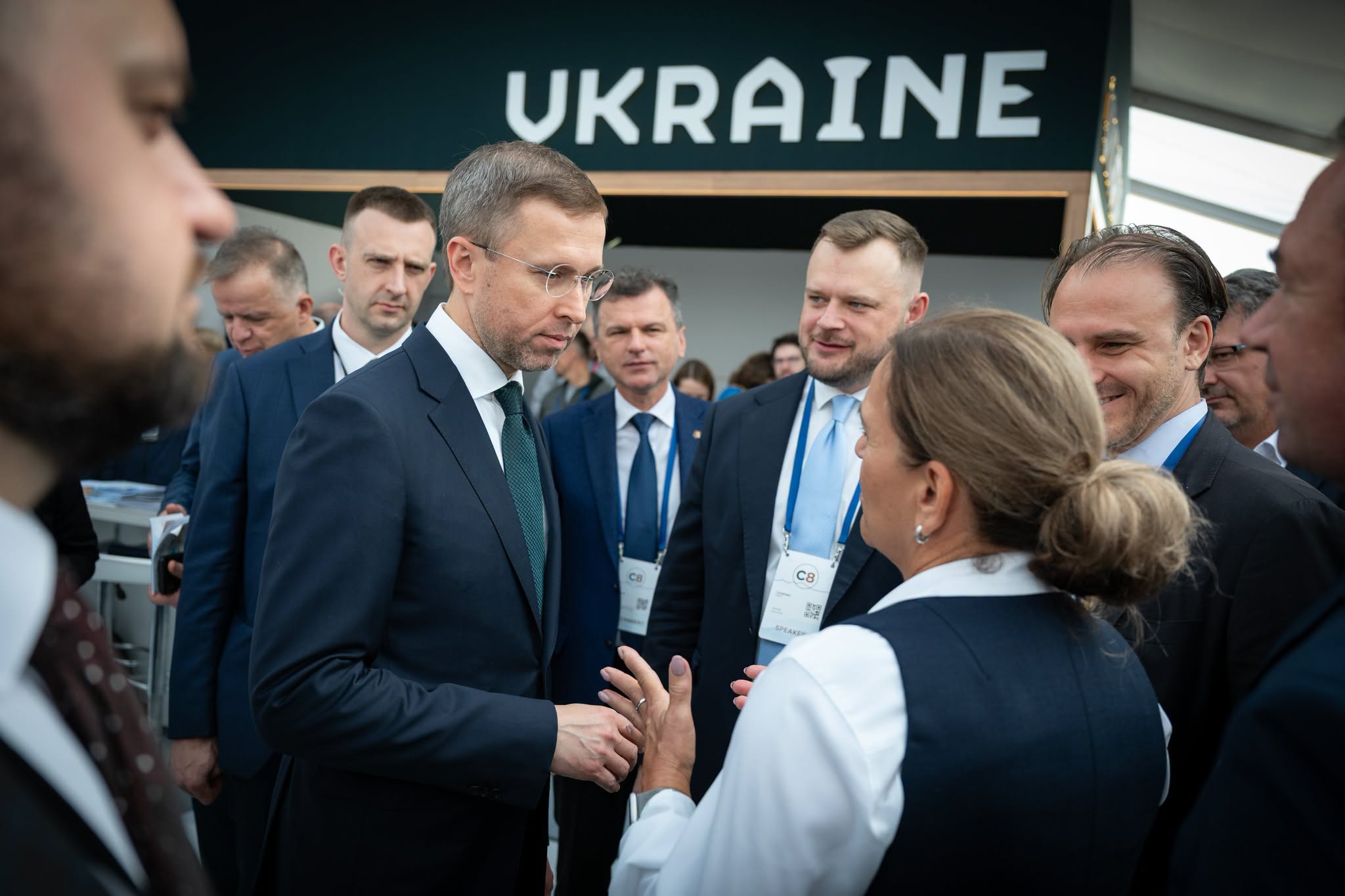


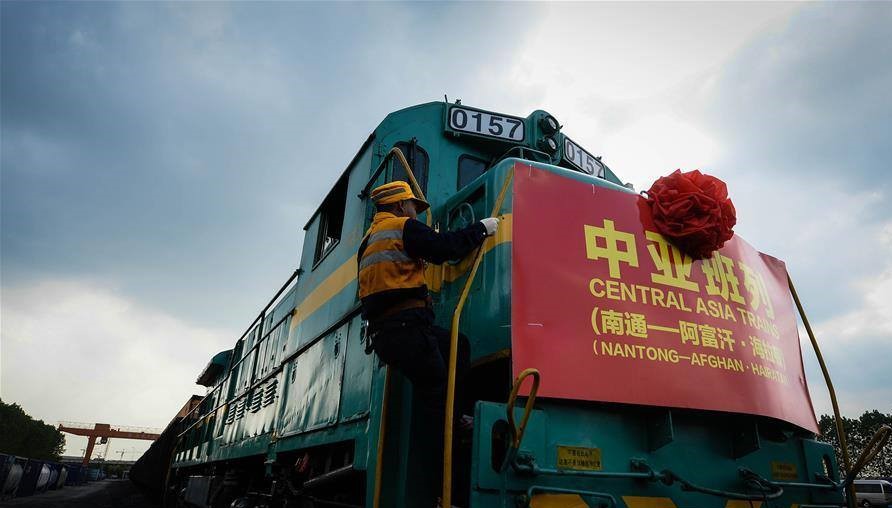

On April 23, in Bishkek at a meeting of SCO transport ministers, Russian Deputy Transport Minister Dmitry Zverev proposed assisting with the construction of the China–Kyrgyz Republic–Uzbekistan railway, including supplying rolling stock, technologies, and personnel. China has in fact been building it since spring 2025 and has already invested about half of the $4.7 billion project, with contractors actively working. Yet the Kremlin was not invited to the project.
Once completed, freight is expected to move along the following route:
Beijing – Kashgar – Kyrgyz Republic – Tashkent – Aktau/Turkmenbashi – ferry across the Caspian Sea – Baku – Tbilisi/Zangezur – Istanbul – London.
This would not be a single train running from Beijing to London, but rather a corridor made up of several segments with transshipment at ports. In total, it would be about 8,000 km, roughly 900 km shorter than the “Russian” route from China to Europe and about 8 days faster. Russian territory is not included at any point.
The track gauge is a separate issue. China is building using the 1,435 mm standard, while the post-Soviet network uses 1,520 mm. Along the route, cargo would need to be transshipped or bogies changed. A Russian delegate at the meeting reminded participants that the Kyrgyz Republic is a member of the EAEU, meaning railway technical standards must be coordinated with Moscow. They are reluctant to simply accept Chinese parameters, and the Kremlin is in no hurry, fully aware of what it implies.
Before 2022, about 90% of rail freight between China and Europe went through Russia — around 1.1 million containers per year. After the invasion of Ukraine, this flow dropped by a third, and container prices reportedly fell from $4,200 to $580. When the China–Kyrgyzstan–Uzbekistan route becomes operational around 2030, freight will shift to the new corridor because it is cheaper. Additional losses for Russian Railways are estimated at up to $1 billion per year — figures that speak for themselves, which is why Moscow appeared at the Bishkek meeting.
A similar situation occurred with the Baku–Tbilisi–Ceyhan pipeline. The Kremlin proposed routes through Russia and used pressure and delays. In the end, the project stalled for 20 years amid disputes over Caspian Sea legal status — Kremlin legal maneuvering proved highly effective. Eventually, it is being built without Russia. The same pattern applied to the Trans-Caspian Middle Corridor: similar disputes, similar delays, but ultimately unsuccessful attempts to block it, and now both are being developed simultaneously.
Here, the scheme is straightforward. Russian railcars require Russian spare parts — without them, operations stop. Kremlin specialists remain in agencies even after construction contracts end, along with their influence. Technical standards are coordinated through the EAEU, where rules are shaped by the Kremlin, allowing any inconvenient decision to be delayed for years without ever explicitly saying “no.”
The China–Kyrgyzstan–Uzbekistan railway will be built regardless — the money has been invested and tunnels are already being drilled.
The Kremlin watched this for two years, grinding its teeth, and then decided to come forward with an offer of “assistance.”