


Russian leadership is considering candidates to replace the commander of the Black Sea Fleet due to systemic failures in protecting bases and ships and the low effectiveness of measures against Ukrainian unmanned boats, according to the partisan movement ATESH on Telegram.
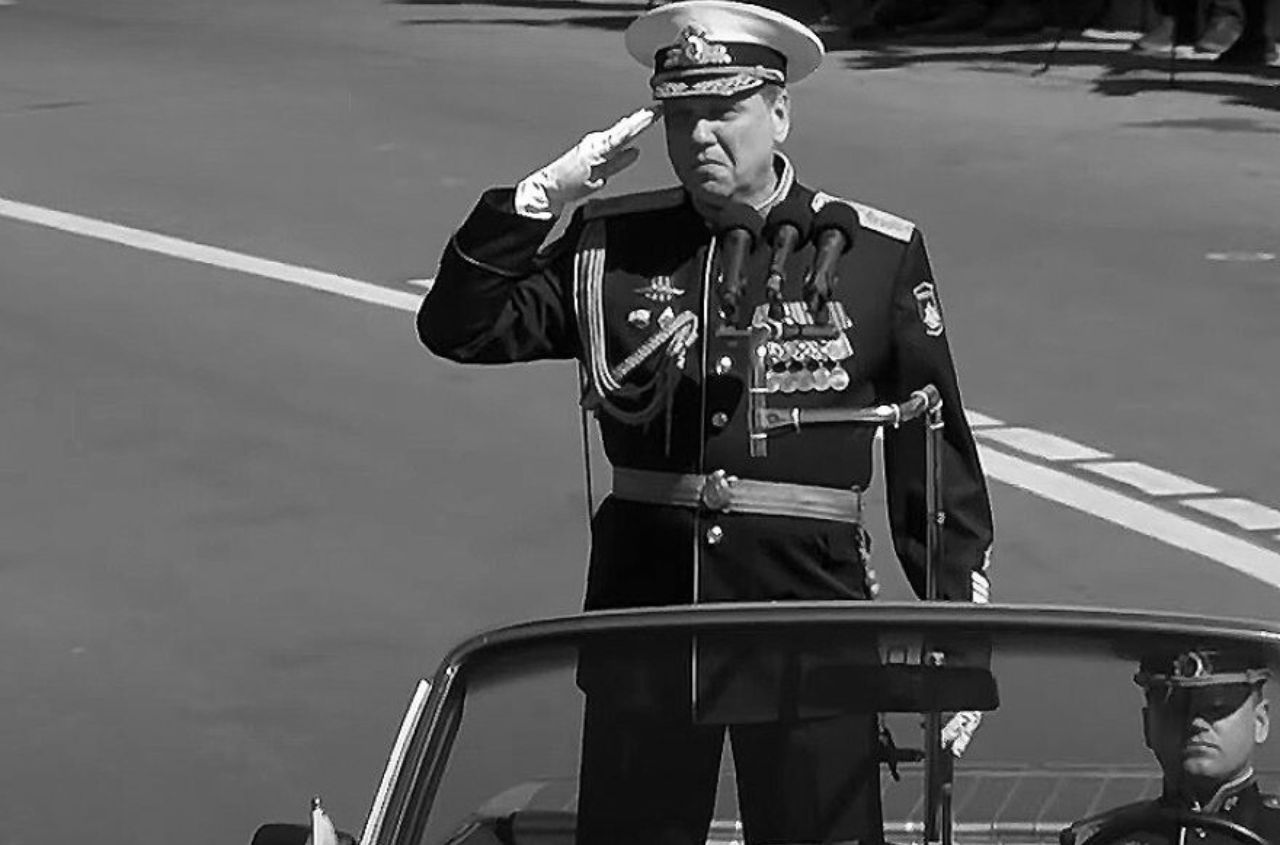
“‘ATESH’ agents within the fleet headquarters report that rumors are circulating among officers that Russia’s high military leadership is considering replacing the current Black Sea Fleet commander, Admiral Serhiy Pinchuk. The reason: systemic failures in securing bases and ships, as well as extremely low effectiveness of countermeasures against Ukrainian unmanned boats (UBs),” the message reads.
Several candidates are being discussed behind the scenes, with the most likely replacement believed to be the first deputy commander, Vice Admiral Akhmerov.
Additional confirmation comes from the recent arrival of senior officials from Moscow at the Black Sea Fleet headquarters in Novorossiysk.
According to ATESH, such visits are usually “related to internal inspections and preparations for personnel decisions.”
ATESH has been directly involved in targeting Black Sea Fleet assets. Since 2022, the movement’s agents have systematically conducted reconnaissance of ships, repair facilities, military units, and naval bases of the Black Sea Fleet in Crimea and Novorossiysk.
A series of losses has revealed a complete lack of a coherent strategy for protecting the fleet’s waters and critical infrastructure. Despite official reports claiming “control of the situation,” threats from unmanned maritime systems continue to be successfully executed.
According to ATESH, in the past six months alone, there have been at least eight successful attacks by Ukrainian unmanned boats on Black Sea Fleet targets, including in Sevastopol and other bases in Crimea. In some cases, detection systems failed entirely, and response forces reacted 20–40 minutes late, resulting in damage to ships and infrastructure.
“These facts are reflected in internal reports, after which the issue of changing the command was raised at the highest level,” ATESH noted.