

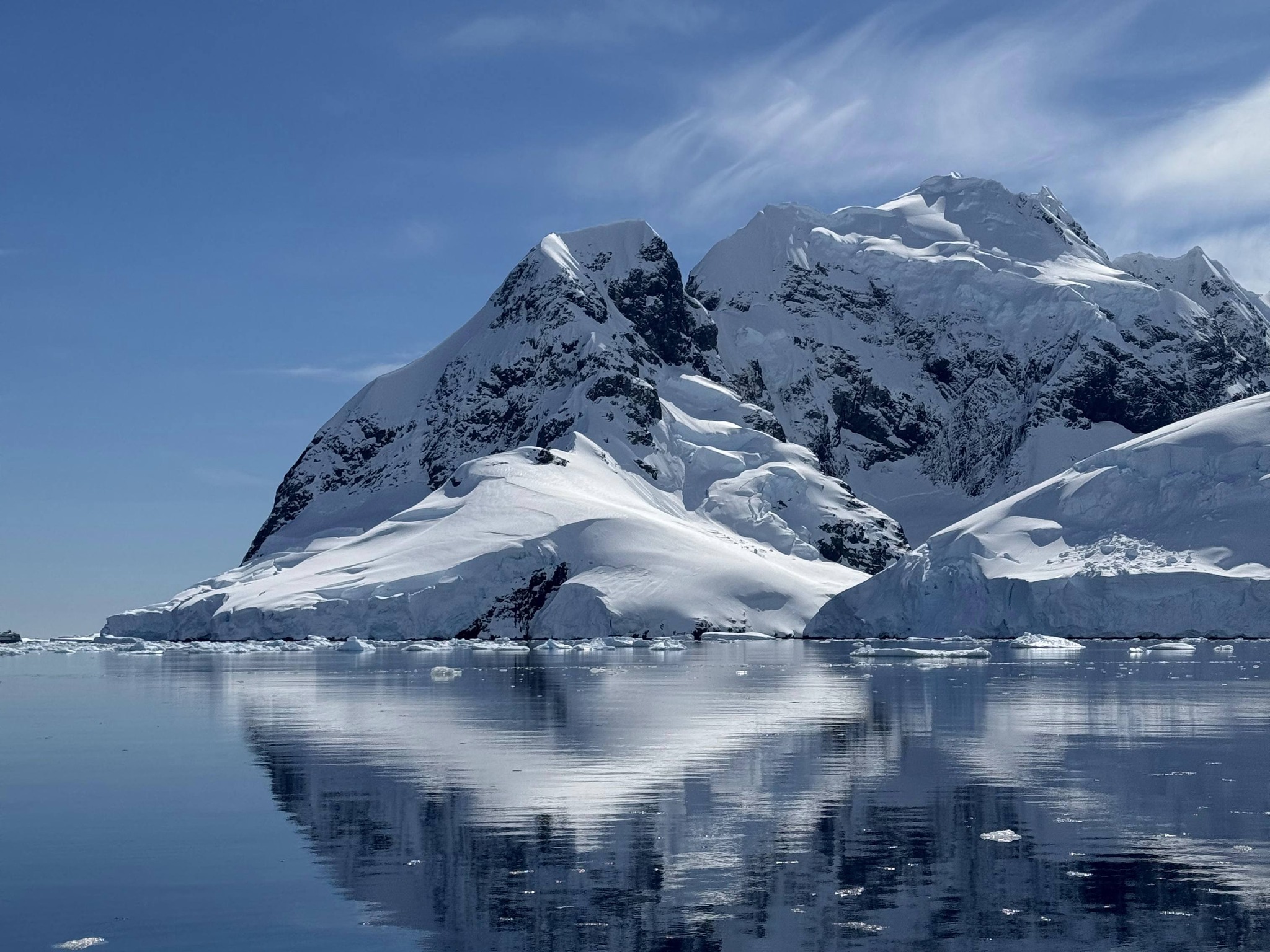

A Ukrainian initiative to create a new specially protected area in Collins Bay, near the “Akademik Vernadsky” station, was supported at the 48th Antarctic Treaty Consultative Meeting, held from May 11 to 21 in Hiroshima, the National Antarctic Scientific Center (NASC) press service reported on Monday.
“The new protected area covers five separate sites in Collins Bay. They are known for unique moss ecosystems, bird colonies, glacial landscapes, and rich biodiversity. The aim of the Ukrainian initiative is the long-term protection of these ecosystems from growing tourism activity and the negative impacts of climate change,” the statement said.
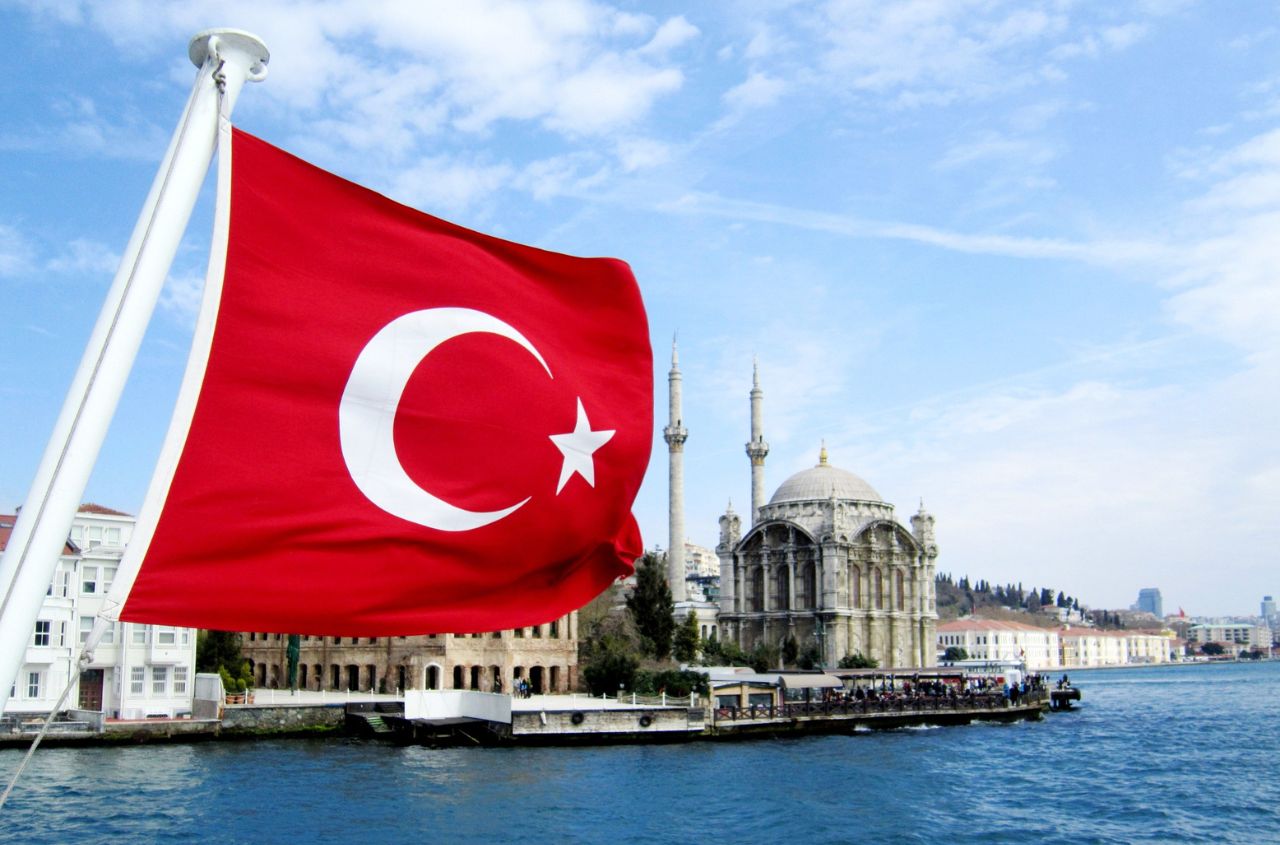
The meeting also discussed expanding the number of Consultative Parties to the Antarctic Treaty. There are currently 58 countries participating in the Treaty, but only 29 hold Consultative Party status, including Ukraine, which grants the right to vote on all Antarctic-related issues. Three countries have already applied for Consultative Party status: Canada, the Republic of Belarus, and Türkiye. The Ukrainian delegation supported the applications of Canada and Türkiye but called for postponing consideration of Belarus’s application.
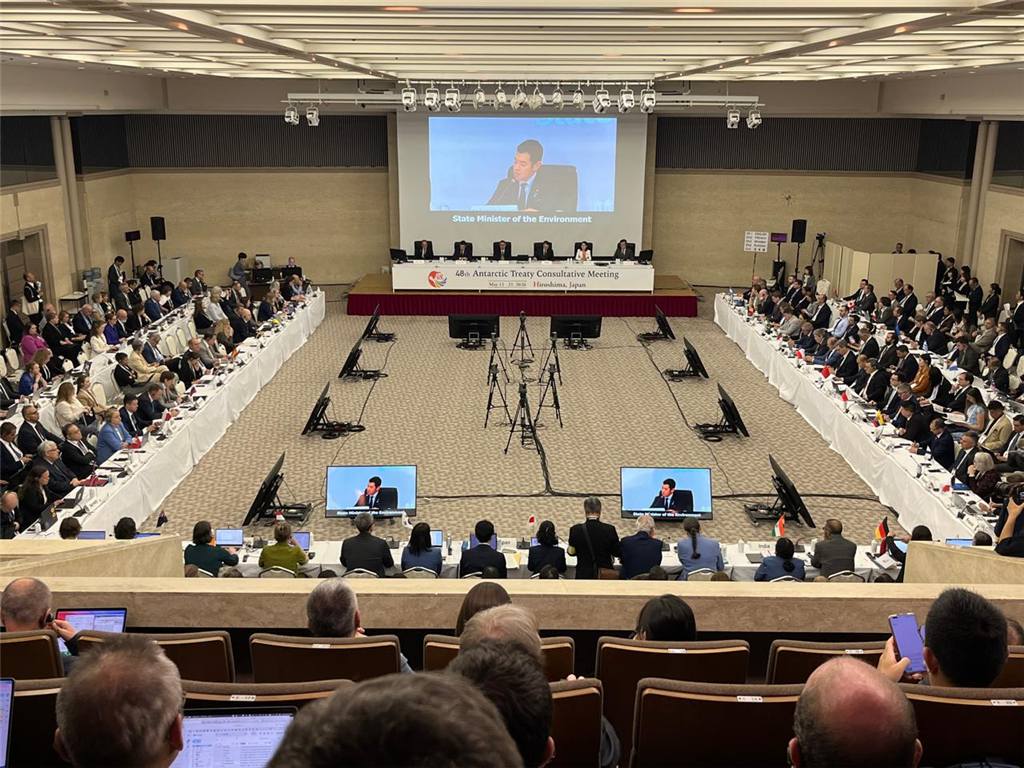
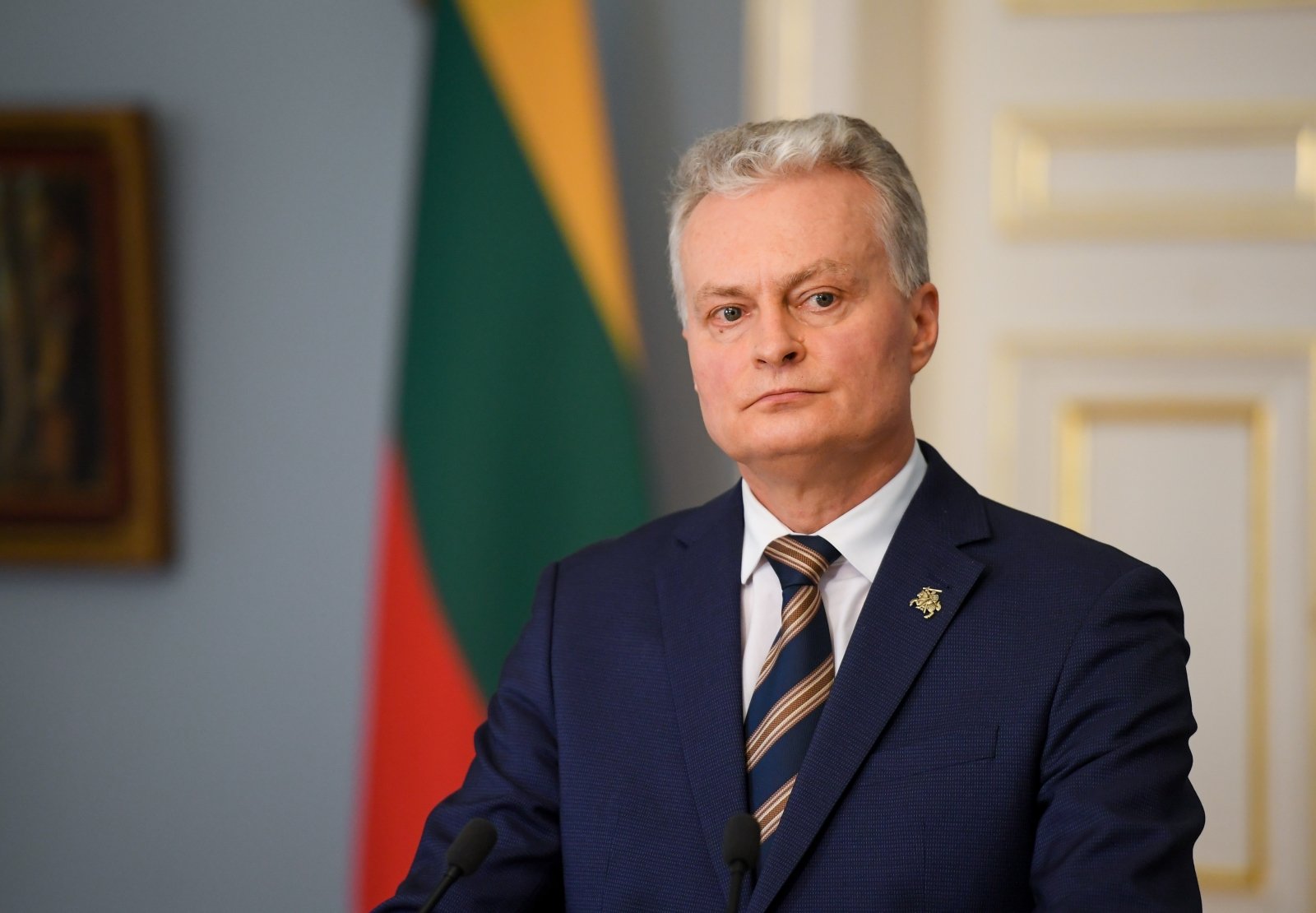
However, India argued that all states are equally deserving of Consultative Party status and therefore either all should be granted it or none at all. In response, NASC head Yevhen Dykyi stated that such an approach “resembles tactics used by terrorist regimes and highlights a broader crisis in legal systems based on consensus, where certain parties abuse veto rights to exert pressure.”
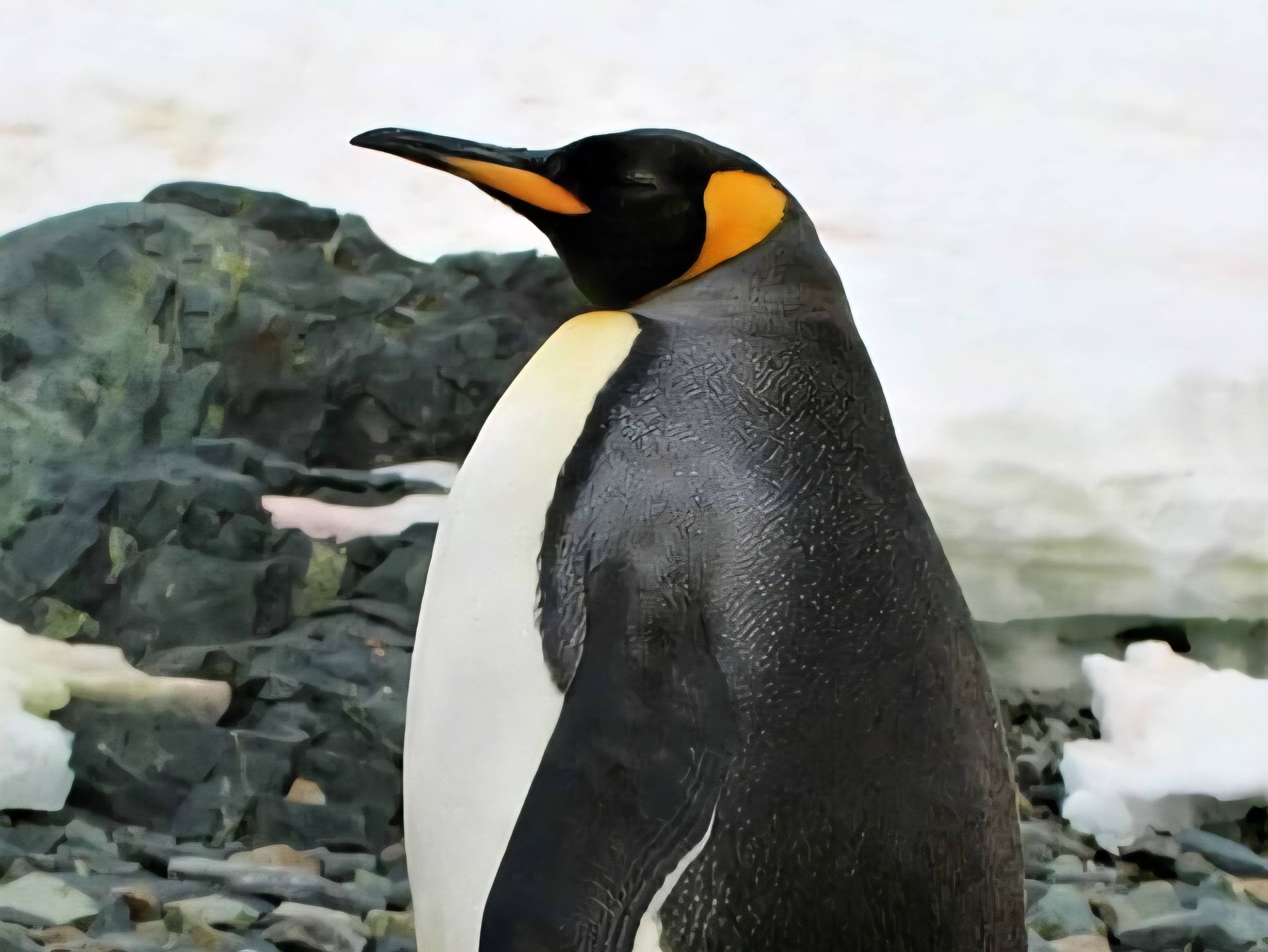
Another issue at the Consultative Meeting was China and Russia blocking a proposal to grant emperor penguins special protected species status.
In April, the International Union for Conservation of Nature had already classified emperor penguins as a species threatened with extinction.