

In January–June 2026, agri-food products accounted for 60% of Ukraine’s total exports, up 3% from the same period last year.
This was reported by researchers at the National Scientific Center “Institute of Agrarian Economics.”
“In the first half of 2026, agri-food products accounted for 60% of Ukraine’s total exports, traditionally maintaining their leading position in the country’s export commodity structure. This is 3% higher than in the corresponding period of 2025,” the statement said.
In particular, a notable feature of January–June was the continued high share of exports of higher value-added products. Finished food products, flour, malt, starch, dairy products and eggs accounted for around 19% of all Ukrainian agricultural exports.
According to the State Customs Service, Ukraine’s foreign trade turnover in agri-food products exceeded $17.29 billion in the first six months of 2026, up 10% compared with the same period last year. Exports increased by 11% to $12.59 billion, while imports rose by 8% to $4.7 billion.
At the same time, the positive trade balance in agri-food products increased to more than $7.88 billion.
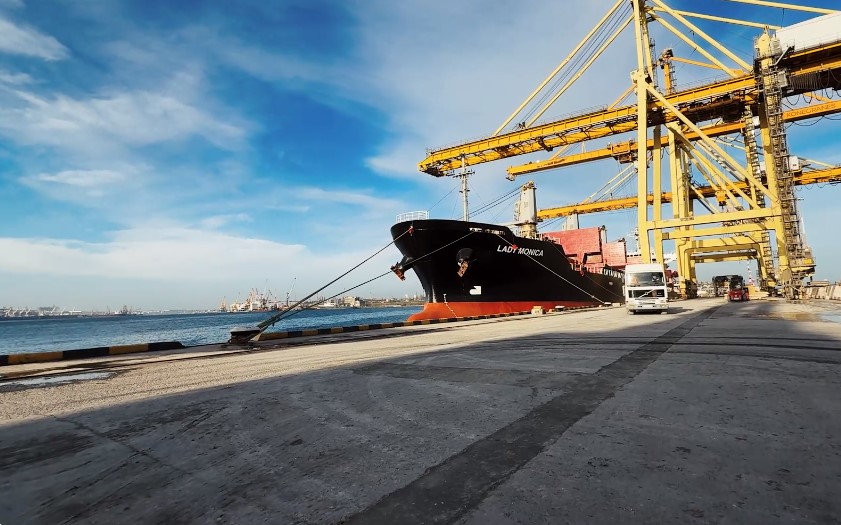
Researchers noted that despite the growth in foreign trade indicators, the sector’s export potential is not being fully utilized due to intensified Russian attacks on Odessa seaports, which increase security risks and complicate logistics.
Additional opportunities for Ukrainian exporters are expected to come from the free trade area with the United Arab Emirates, which took effect on July 1, 2026, and the anticipated entry into force of the free trade agreement with Turkey.
According to estimates by researchers at the Institute of Agrarian Economics, throughout 2026 the agri-food sector will continue to operate amid persistent war-related risks, which will continue to affect domestic market conditions and the country’s export potential.