

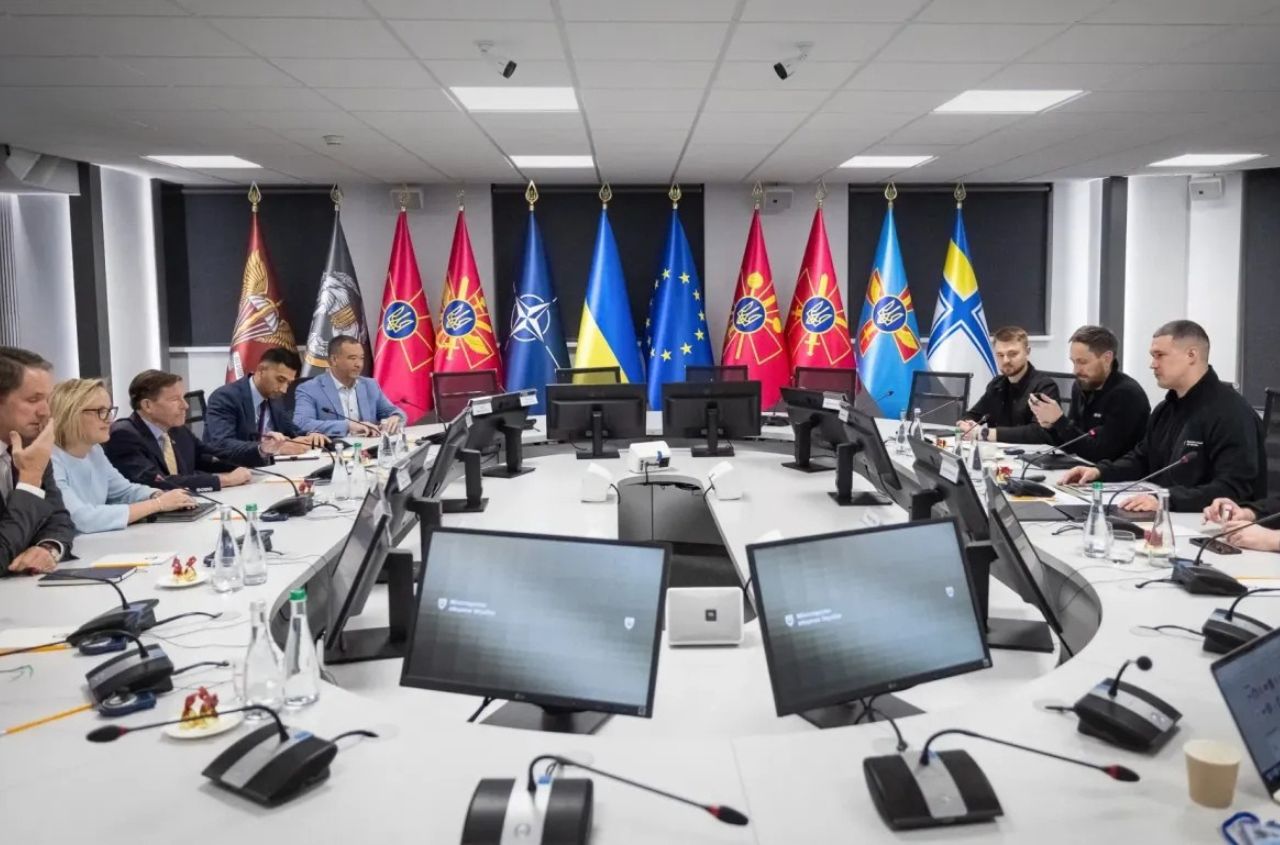

Ukraine's Minister of Defense Mykhailo Fedorov met with U.S. Congressional representatives Richard Blumenthal and Jim Himes this week, urging continued American support across the domains of air defense, front-line deterrence, and the degradation of Russia's military capacity.
Fedorov opened the talks by thanking the United States for what he described as strong and systematic support, before turning to Ukraine's most pressing need: protection of its skies. Ballistic missiles, he said, remain one of the most formidable challenges Ukraine faces, making continued deliveries of PAC-2 GEM-T and PAC-3 interceptor missiles critical.
The minister also highlighted the importance of the Prioritized Ukraine Requirements List — known as PURL — a mechanism through which Ukraine currently receives more than 90% of all its anti-ballistic capabilities.
Fedorov briefed the congressional delegation on progress under Ukraine's Air-Land-Economy defense strategy, reporting improved interception rates against aerial targets. He also drew attention to Ukraine's development of drone interceptors — described as a uniquely Ukrainian innovation — as a supplementary layer of air defense.
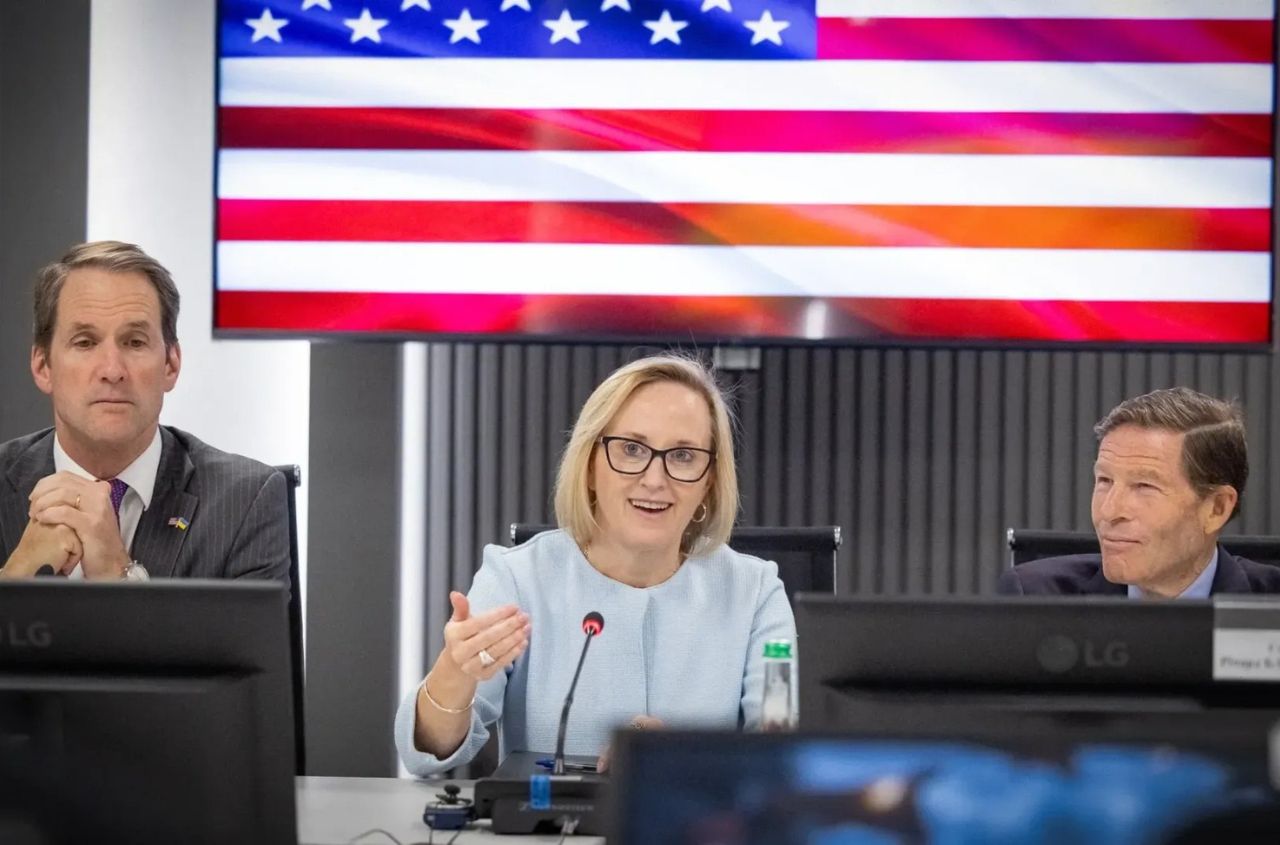
Ukraine, he added, is prepared to share its hard-won experience countering ballistic threats with allied partners. As Russia continuously adapts the trajectories and tactics of its missile strikes, Ukraine has been forced to evolve its countermeasures in kind — including modifications to American-supplied systems. That battlefield knowledge, Fedorov argued, holds significant value for strengthening partner capabilities.
On the ground, Fedorov said Ukraine has been gaining the upper hand through a combination of technological and strategic moves. The disabling of Starlink access for Russian forces was cited as one of the most consequential developments in recent months, materially degrading Russian battlefield coordination.
Ukraine has also been systematically targeting enemy logistics through its middle strike program, investing in the disruption of Russian supply lines. Fedorov noted that over recent months, Ukrainian forces have been inflicting casualties on Russian troops at a rate that exceeds Russia's ability to replenish its ranks through recruitment.
In the economic domain, Ukraine continues deep strike operations — targeting facilities that sustain Russia's ability to wage and finance the war.
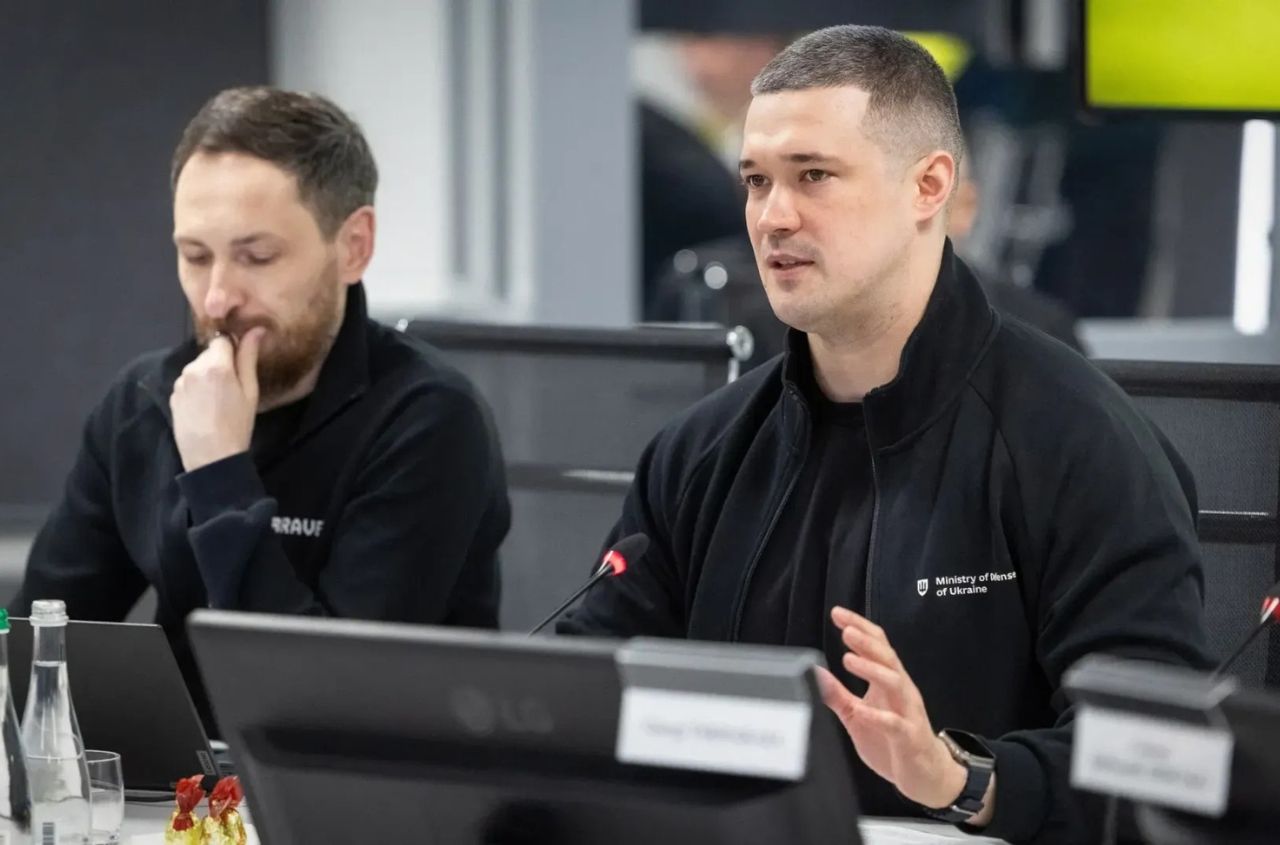
The two sides also discussed what Fedorov framed as a mutually beneficial cooperation model. Ukraine is already field-testing partner technologies under real combat conditions, providing rapid, real-world feedback on what works on the modern battlefield.
In a particularly forward-looking development, Ukraine is training artificial intelligence models on unique battlefield data — an initiative Fedorov described as opening a new tier of cooperation with partners and enabling the scaling of technologies tailored to the actual demands of contemporary warfare.
Closing the meeting, the Defense Minister called on the United States to sustain its support and help Ukraine end the war from a position of strength and on just terms.