


By Viktor Yahun
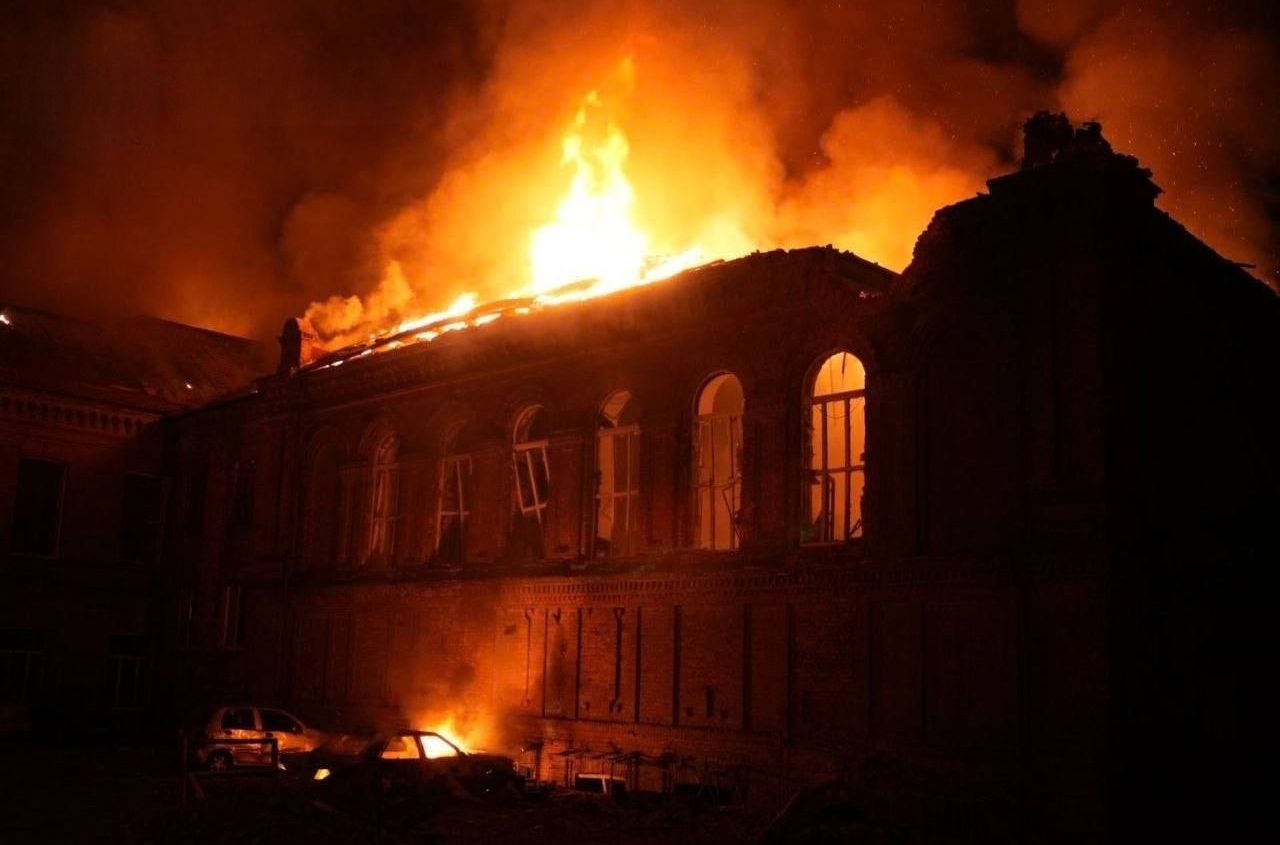
Ukraine has been waging a full-scale war against a nuclear state for the fifth year. Yet the paradox of this war is that a country, which became the victim of the largest aggression in Europe since World War II, is gradually emerging not only as a recipient of aid but also as a provider of security for other nations.
This is not political rhetoric or a compliment to allies. This is already practical reality.
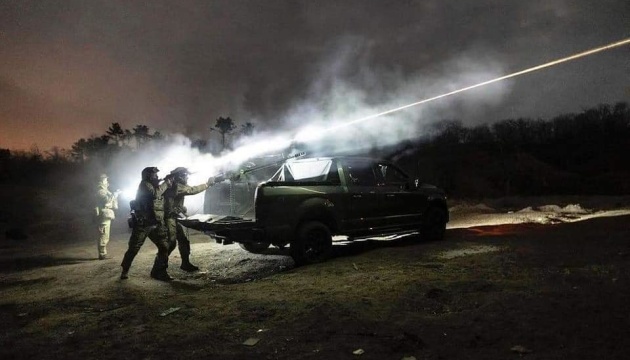
Recent developments are very telling. President Volodymyr Zelensky reported that at least 11 countries have approached Ukraine for help in countering strike drones, primarily of the “Shahed” type. And this is not about general consultations or exchanging opinions. Ukraine offers concrete solutions: tactics for detecting and tracking drones, use of electronic warfare systems, mobile strike groups, critical infrastructure protection systems, and the organization of layered defense against mass attacks.
What is just beginning to emerge as a new threat for many countries has long been daily combat practice for Ukraine.
Another signal is the report that Ukraine has deployed interceptor drones and specialists to strengthen the protection of U.S. military bases in Jordan. This may seem symbolic, but it carries a much deeper significance. A country conducting a difficult defensive war is already capable of sharing its own technologies and combat experience to protect allies on another continent.
In effect, Ukraine is beginning to export its military experience.
And this is not surprising. Ukraine was the first in modern Europe to face the mass deployment of Iranian strike drones, combined missile attacks, thousands of FPV drones on the battlefield, and strikes on energy and logistics infrastructure. The Ukrainian army and society were forced to adapt very quickly to a new kind of warfare—a war of drones, a war of algorithms, a war of digital command systems.
This is why today Ukrainian experience is being closely studied not only in Europe but also in the Middle East and the United States.
At the same time, another important element is emerging—the development of its own precision strike systems. Announcements about creating a Ukrainian ballistic missile that could become an ATACMS analogue indicate the gradual formation of a full-fledged Ukrainian missile school. Combined with mass drone systems, digital combat management platforms, and rapid engineering adaptation, this means that Ukraine is already creating its own model of modern warfare.
For this reason, Ukraine is increasingly being called the laboratory of modern war.
But it is important to understand the meaning of this formula correctly. This is not an experimental playground for other countries. This is a country that was the first in the 21st century forced to experience next-generation warfare and learned to survive under these conditions.
This experience comes at a very high cost—thousands of Ukrainian lives.
That is why a new reality is emerging. Ukraine is gradually moving from the status of the largest importer of weapons to the role of a security provider. It is beginning to export not only technologies but also knowledge, tactics, and practical solutions.
For partners, this is pragmatic. Ukraine possesses what most armies in the world do not—live experience of high-intensity war against an opponent employing the full spectrum of modern lethal means.
For the Kremlin, this is a problem. A country that was planned to be destroyed within weeks is gradually turning into one of the key centers of new military practice.
Of course, Russian propaganda will try to present this differently. The usual narratives will be used: that Ukraine is supposedly “fighting for others’ interests,” that “the West is using it as a tool,” that Kyiv is “spreading its resources too thin.” This is a classic information operation.
The reality is the opposite.
Ukraine is not distracted from its own war. It is converting its combat experience into new diplomatic and security weight. Those who can not only defend themselves but also teach others to defend themselves cease to be merely victims of aggression.
They become one of the architects of a new security order.
Today, Ukraine is not just the shield of Europe. It is a country that is already shaping a new school of modern warfare. And this is why its experience is becoming essential to the world.