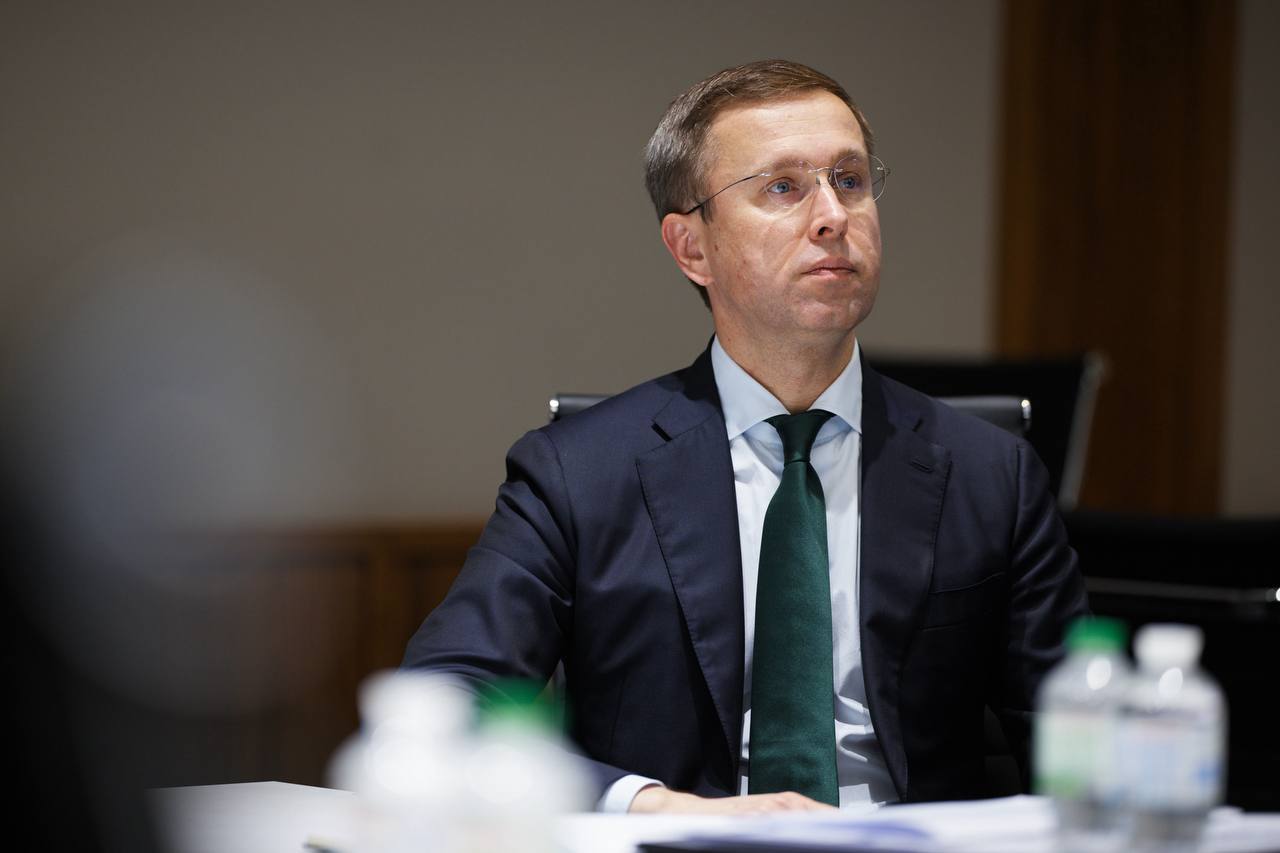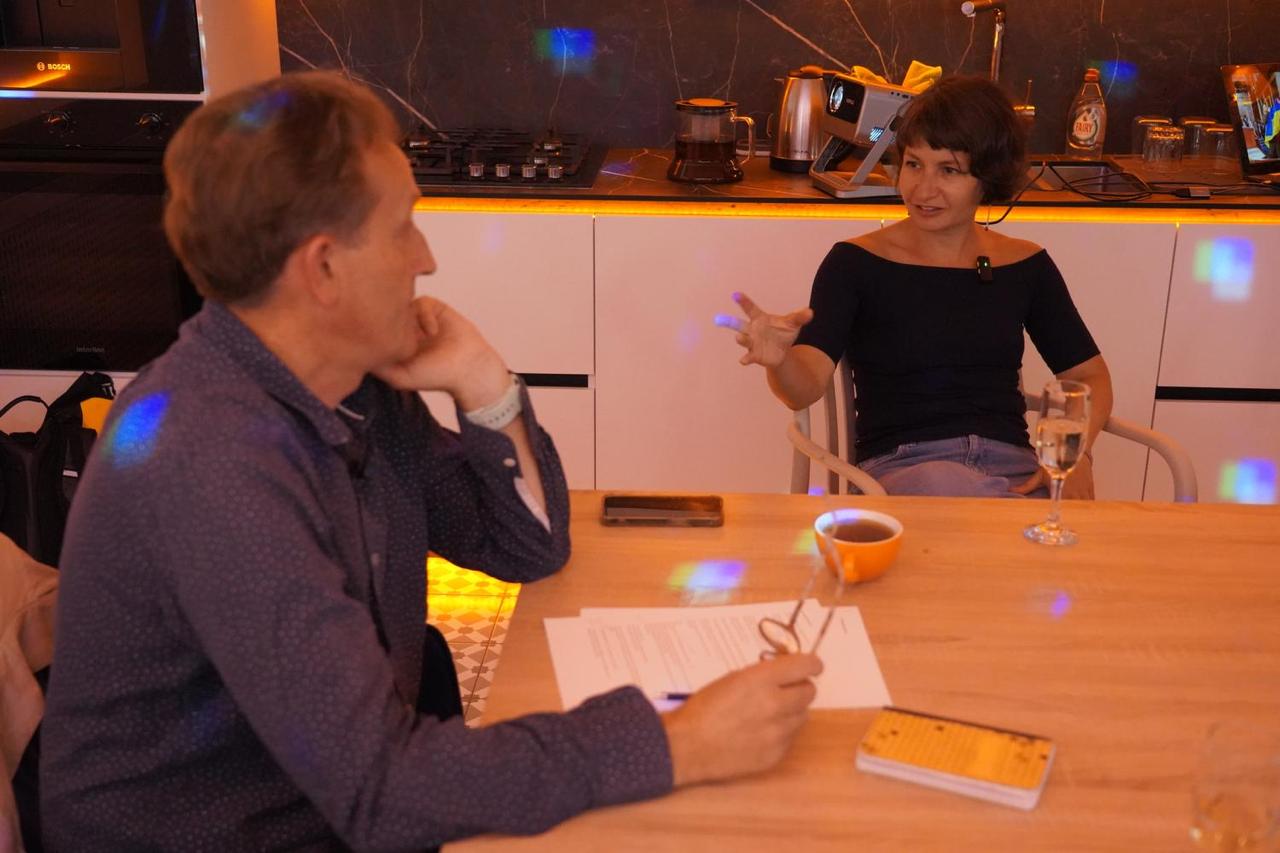


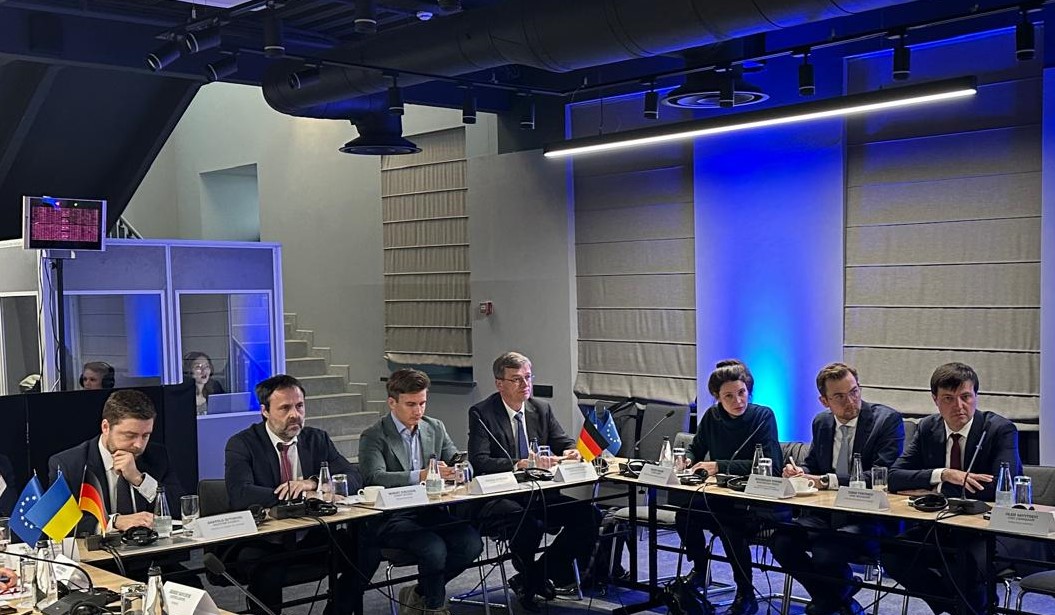
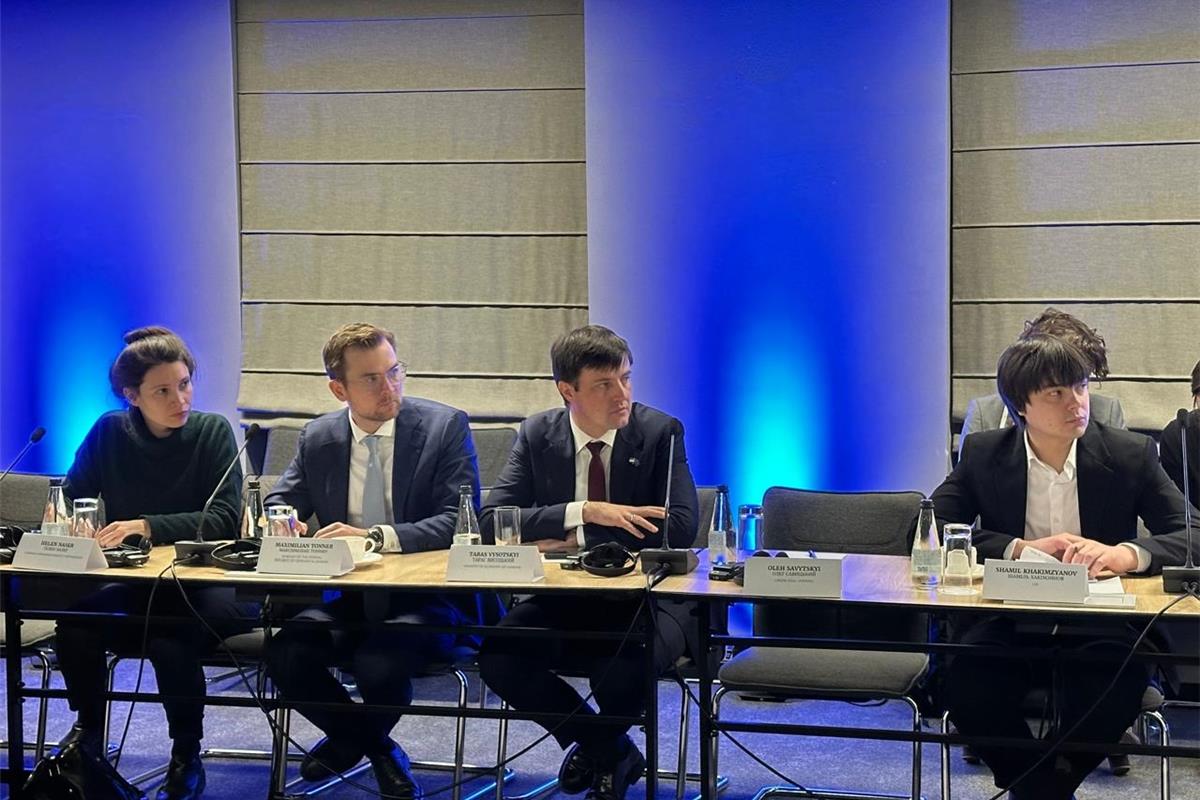
Exports of Ukrainian biomethane to Germany could become one of the most promising areas of energy cooperation between the two countries. This was discussed during the roundtable “Biomethane Exports to Germany: Target Market Segments and Open Issues,” which brought together Deputy Minister of Economy, Environment and Agriculture of Ukraine Taras Vysotskyi, representatives of the governments of Ukraine and Germany, energy market experts, and international organizations.
According to the Deputy Minister, Ukraine has significant potential to become one of the key suppliers of biomethane to the European market. This potential is based on the country’s strong agricultural sector, which provides raw materials for biomethane production from agricultural waste and by-products. The issue is not only about developing a new energy sector but also about creating added value for agriculture, attracting investment, and opening new opportunities for rural areas.
For the European Union, particularly Germany, Ukrainian biomethane could become part of the energy transition, helping reduce dependence on fossil fuels and diversify energy sources. For Ukraine, it represents an opportunity to open a new export direction that simultaneously contributes to economic growth, green transformation, and deeper integration into the European energy market.
“In 2025, Ukrainian companies exported more than 11.2 million cubic meters of domestically produced gaseous biomethane. Ukraine has strong biomethane production potential thanks to its agricultural sector. For us, this is not only an energy issue but also a matter of economic development and creating added value in agriculture. Cooperation with Germany in this field is an example of a mutually beneficial partnership where both sides gain: Ukraine obtains a market for a new energy product, while Europe receives an additional source of renewable gas for its energy transition,” Taras Vysotskyi emphasized.
At the same time, realizing this potential requires systematic work and ongoing dialogue between governments, businesses, and European institutions. Regular expert discussions are therefore essential for addressing possible challenges and establishing clear market rules.
Among the key challenges are:
- harmonizing regulatory requirements and biomethane certification with EU rules;
- recognition of guarantees of origin and integration into European registries;
- recognition of Ukraine’s gas network as part of the European mass-balance system;
- investment in production capacities and infrastructure;
- long-term market signals that would enable the implementation of dozens of prepared investment projects.
Cooperation in the biomethane sector has not only economic but also broader strategic significance. It strengthens Ukraine’s energy integration with the European Union, contributes to reducing greenhouse gas emissions, and helps shape a new model of partnership in green energy.
Ukraine is ready to develop this area further and deepen dialogue with Germany and other EU countries. Biomethane could become one of the key elements of Europe’s joint energy transformation while also serving as a new growth point for the Ukrainian economy.