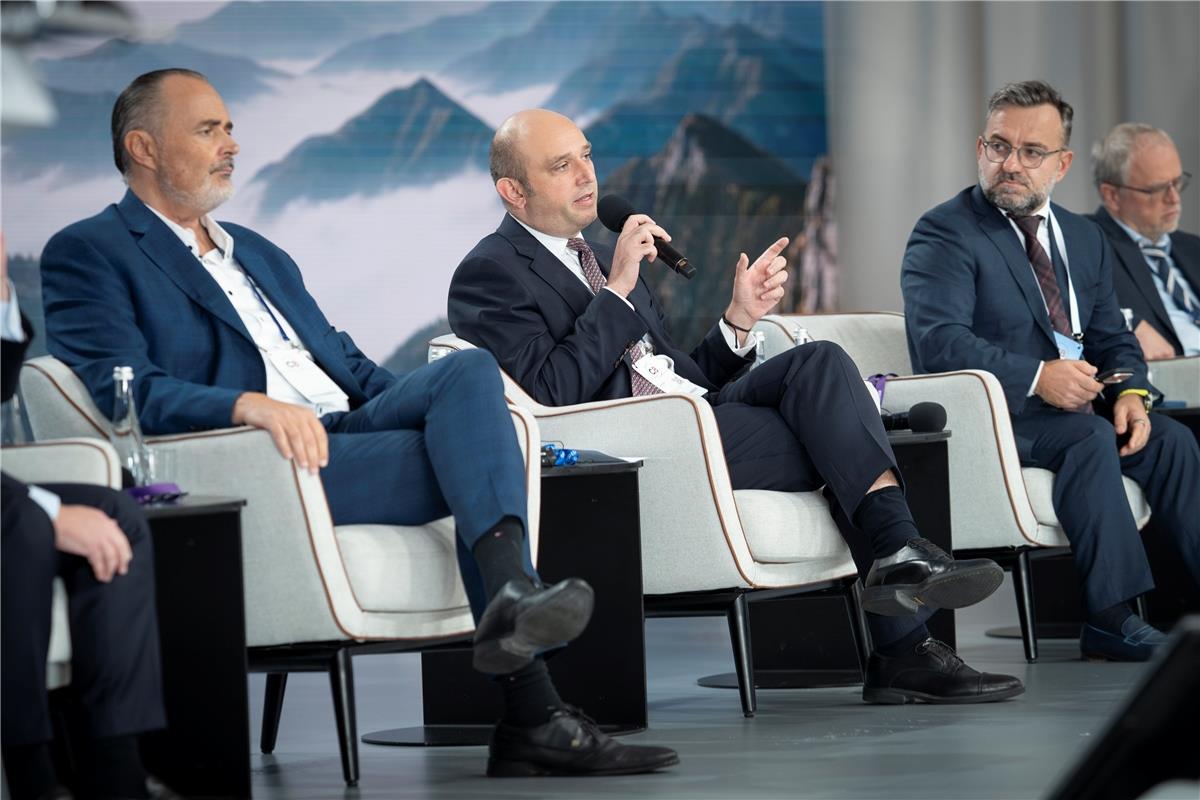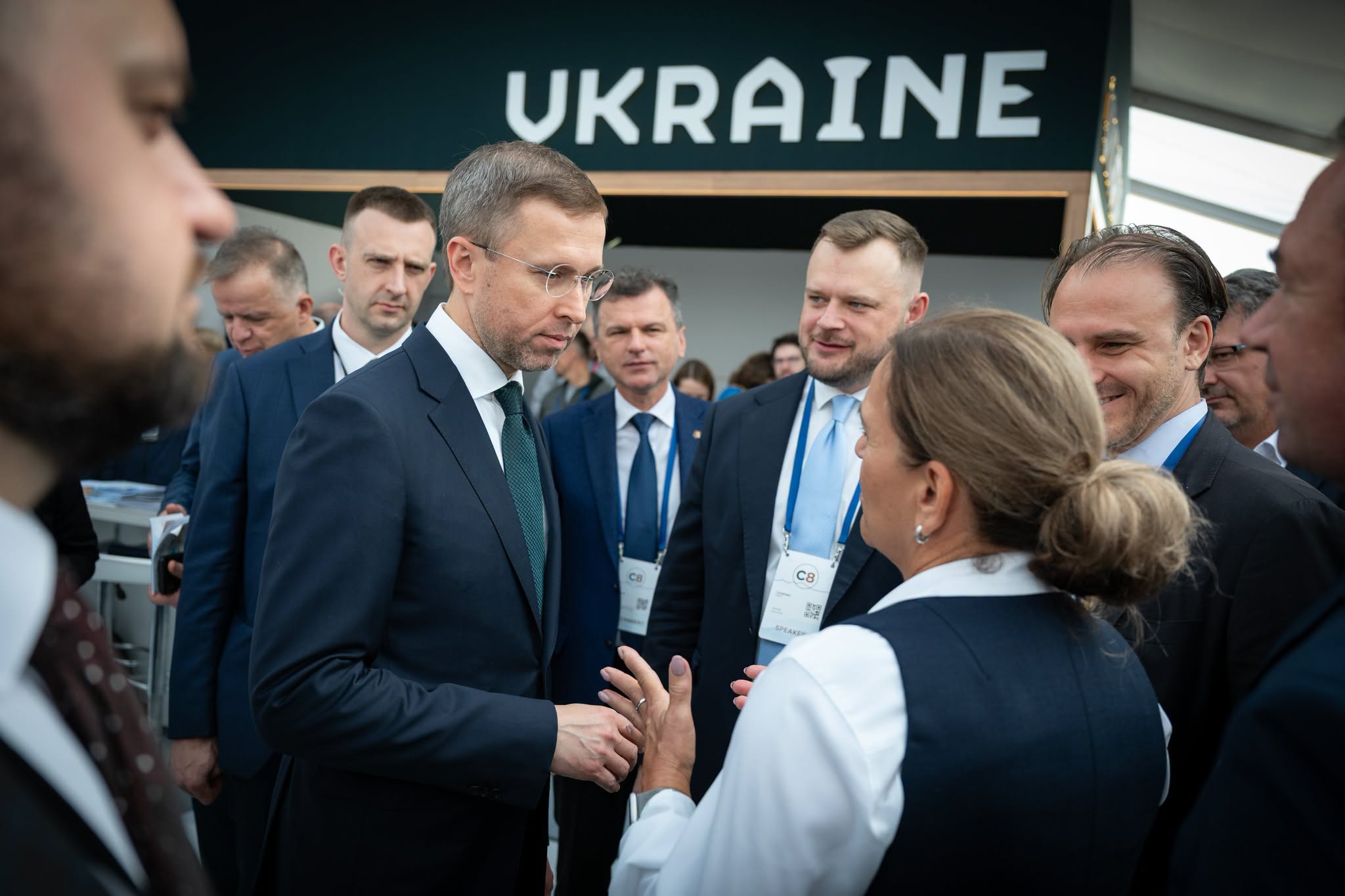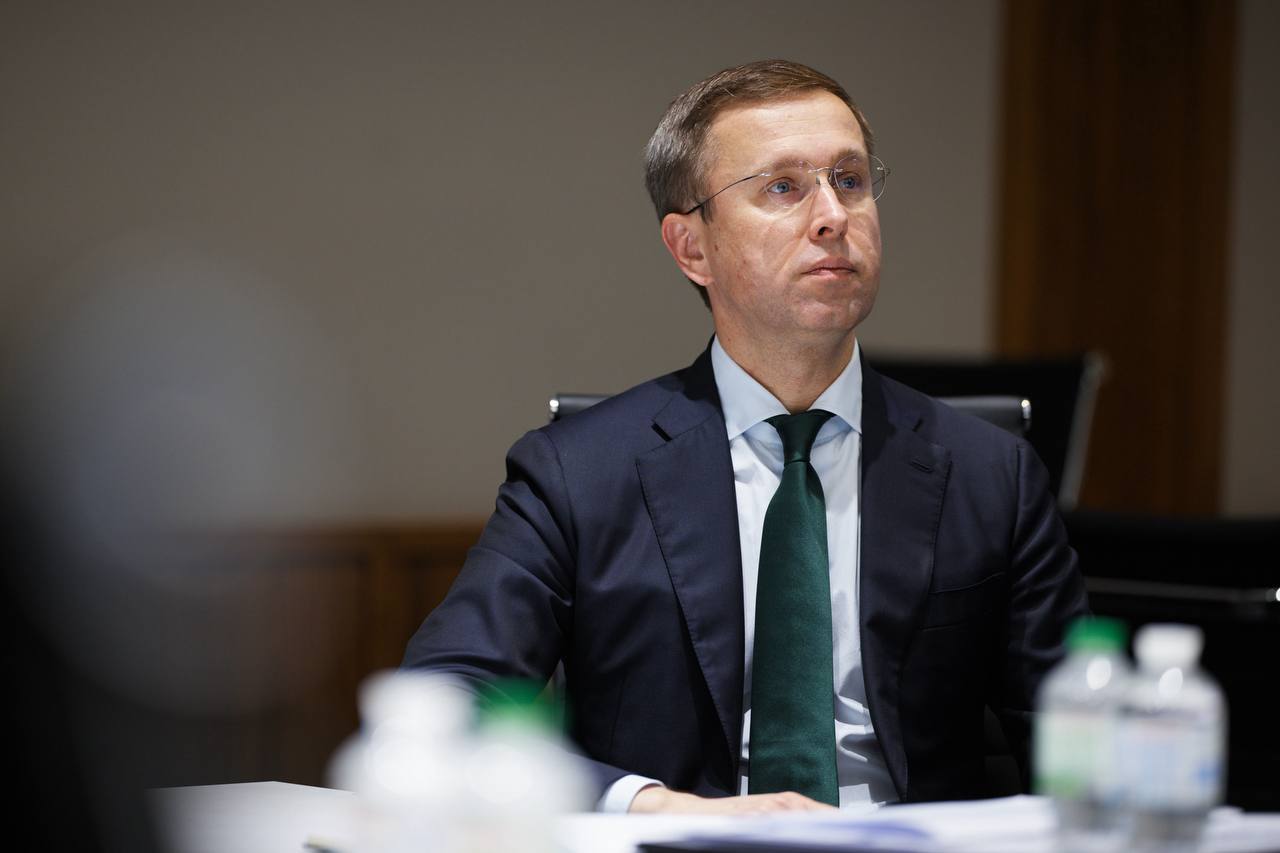


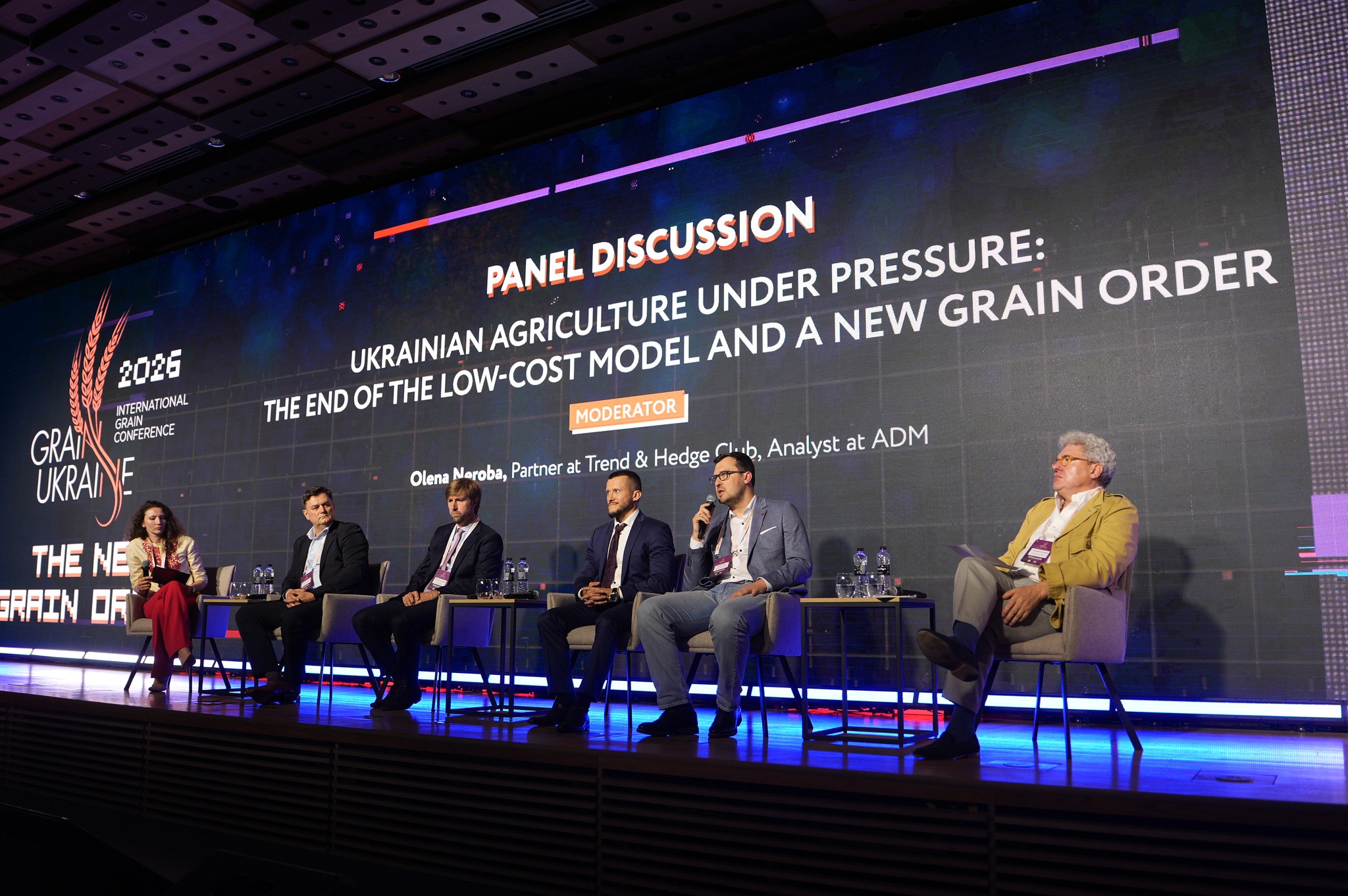
A panel discussion at the Grain Ukraine Conference 2026 examined how Ukraine’s agricultural sector is being reshaped by war, climate change, and stricter global market requirements, with experts concluding that the traditional low-cost production model is no longer sustainable.
Moderated by Olena Neroba, partner at Trend&Hedge Club and ADM analyst, the discussion focused on how farmers and agribusinesses must adapt to a more volatile and demand-driven global environment.
Speakers noted that Ukrainian farmers remain largely dependent on global pricing and often act as “price takers” rather than “price makers”.
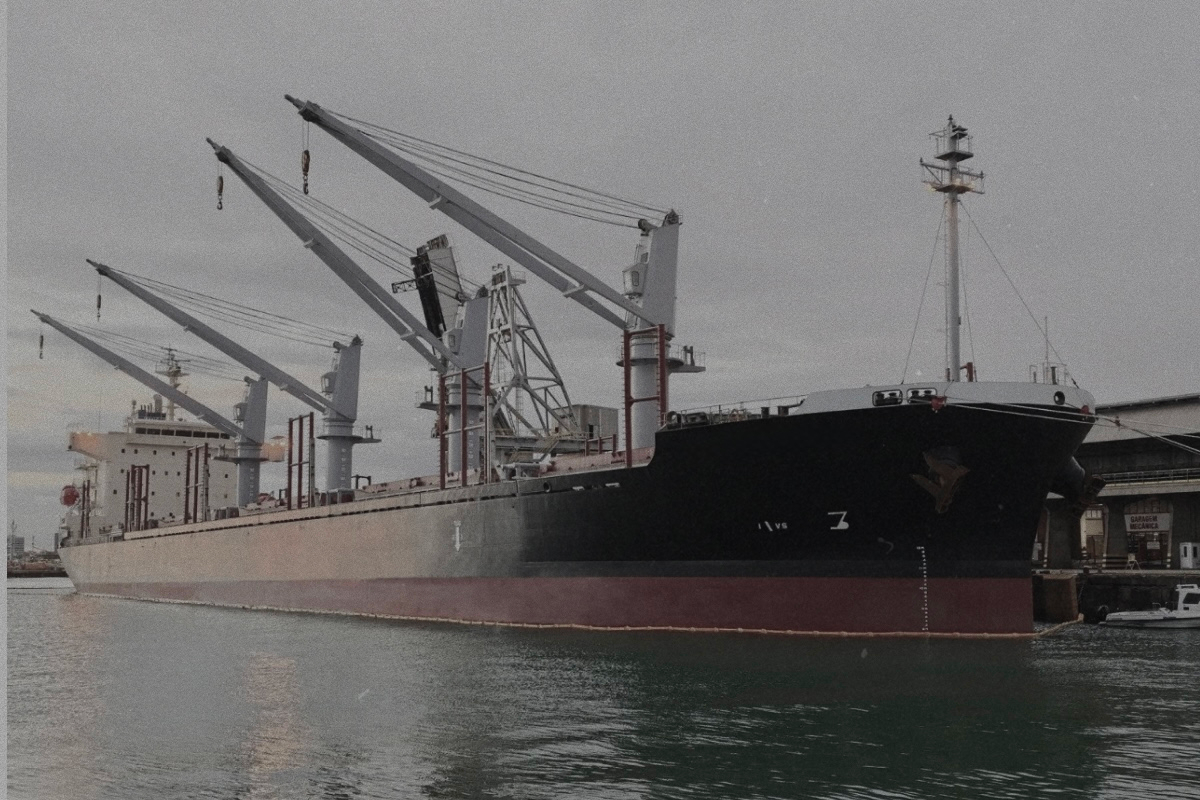
Tair Musaev, vice president of Baryshivska Grain Company, said that most profit margins in the supply chain are captured by traders who manage logistics and hedging, while farmers face significant exposure to price fluctuations. He also stressed the need to improve Ukraine’s rail and water logistics efficiency.
Jonathan Grange, partner at Sunstone Brokers, said Ukraine’s agricultural potential remains strong, but many producers still fail to use forward pricing and hedging tools. As a result, crop choices are often driven by short-term price spikes, which can lead to market imbalances and overproduction.
Andrii But, director of the Foreign Trade Department at AGROTRADE Group, added that seasonal planning based only on current prices is increasingly risky. He emphasized the importance of long-term global demand trends and highlighted niche crops such as mustard as an underused opportunity.
The discussion also highlighted growing challenges linked to European quality standards, particularly in the oilseed sector.
Serhii Nevskiy, senior commercial manager at Delta Wilmar, noted that sunflower oil exported to the EU is tested for more than 350 parameters, including pesticide residues. He said that due to intense competition and inconsistent raw material quality, a large share of Ukrainian oilseed supply does not meet premium EU requirements.
At the same time, participants pointed to strong potential in high-protein crops. Ukrainian soybeans were described as having a favorable protein profile compared to Latin American varieties, creating opportunities in feed markets such as Egypt. However, speakers stressed that realizing this potential will require stronger state support and investment in processing and value-added production.
Looking ahead, Edouard Aubert, head of trading at CFG Trading Switzerland SA, said interest from foreign investors is gradually returning as risk management tools improve and EU integration prospects become clearer. He also suggested Ukraine could expand its processing sector significantly, including ethanol production, following models such as Brazil.
Grange added that over the next 25 years Ukraine is likely to become a major producer of processed agricultural goods, though this will require substantial investment. He noted that climate change may bring both risks and certain benefits, including longer growing seasons and improved crop resilience in some regions.
Overall, the panel concluded that Ukrainian agriculture is entering a structural transition — from raw commodity production toward a more technology-driven, quality-focused, and investment-intensive model integrated into global value chains.