


April 2026 became for Ukraine’s Defense Forces another month of a systematic campaign of deep strikes against Russia’s military-economic infrastructure. Using deep strike capabilities, targets were hit from occupied Crimea to Perm, Ufa, Orsk, and Chelyabinsk — meaning the Urals, historically considered the deep rear of the Russian Federation.
As the President of Ukraine noted, since the beginning of the year the aggressor state has lost at least $7 billion directly due to Ukraine’s “precision sanctions” against Russia’s oil industry and refining sector.
“Following the results of this April, our long-range sanctions reached a new level in three components: reduction of Russia’s oil profits, distance, and intensity of sanctions. Importantly, not only is the target itself reached, as defined by the combat mission, but the downtime of the facility is increased, or at least its operation is significantly reduced,” the Head of State emphasized.
The Ministry of Defense reports which refineries, port terminals, Black Sea Fleet warships, drone manufacturing enterprises, and aircraft were targeted by Ukrainian forces last month, as well as other Russian losses.
Which Russian oil refining and fuel logistics facilities were hit in April 2026
During the April campaign, Ukraine’s Defense Forces struck at least 14 such facilities — from oil refineries in the Volga region and the Urals to port terminals in the Baltic and Black Seas.
Fire at Bashneft-Novoyl refinery, Ufa (Bashkortostan), ~1,400 km
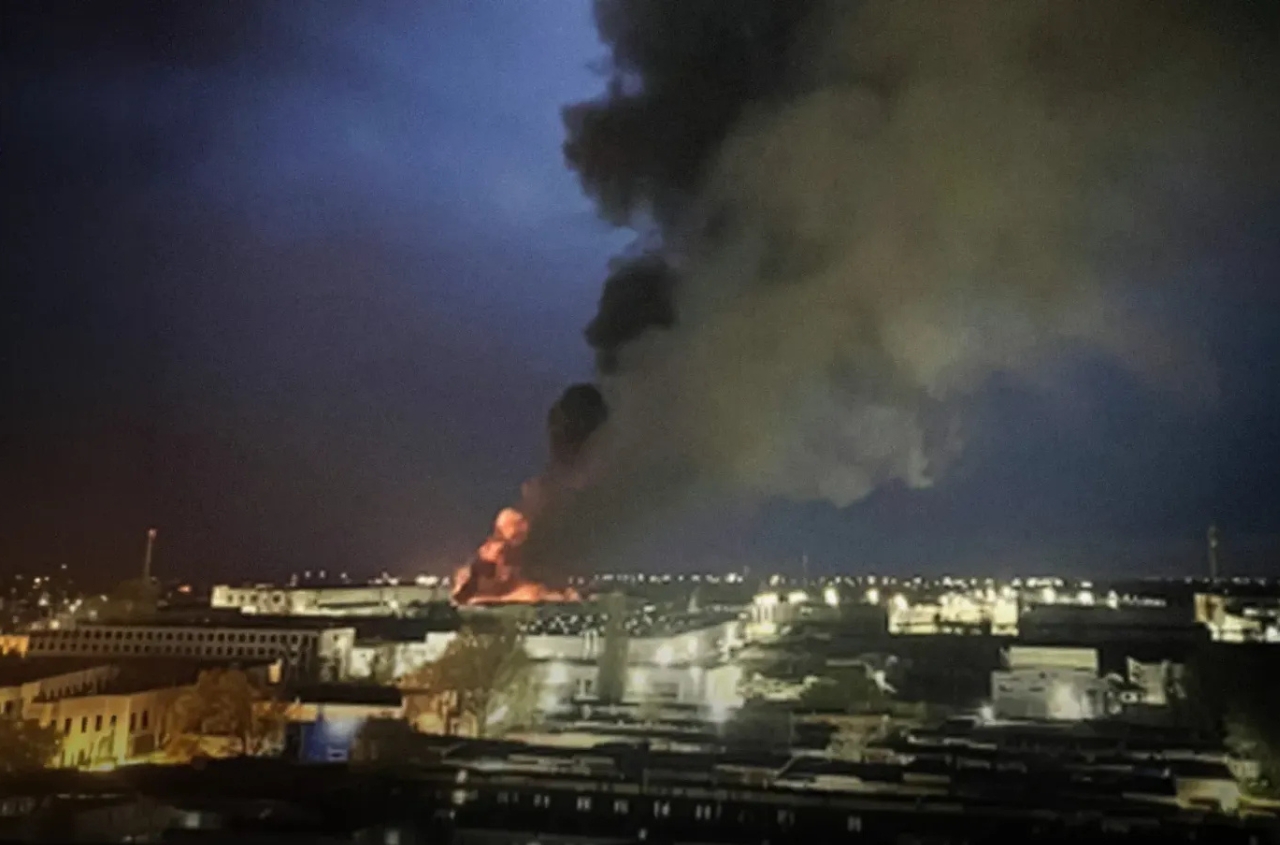
A strike on the plant was confirmed, followed by a fire. The distance of the strike was about 1,400 kilometers from the border.
The refinery produces high-quality lubricants for naval, hydraulic, and engine use, with a capacity of 7 million tons of oil per year, supplying Russia’s military and navy.
Fire at Lukoil-Nizhegorodnefteorgsintez refinery, Kstovo (Nizhny Novgorod region), ~800 km
A large fire broke out. Key processing units were damaged, including atmospheric and vacuum distillation units and diesel hydrotreatment units. The plant processes 17 million tons per year and supplies fuel for the military and Moscow region.
Three strikes on Tuapse refinery, Tuapse (Krasnodar region), ~1,500 km
The refinery was struck three times (April 16, 20, and 28). Fires and destruction of multiple storage tanks were reported. The plant has a capacity of 12 million tons per year and produces Euro-5 fuels for military use.
Strike on Novokuibyshevsk refinery, Novokuibyshevsk (Samara region), ~1,000 km
Explosions and fire were reported at the plant with a capacity of 8.8 million tons per year.
Mass strike on Syzran refinery, Syzran (Samara region), ~900 km
A coordinated attack caused a fire. The refinery supports Russian armed forces.
Damage to Yaroslavl refinery, Yaroslavl region, ~750 km
A vacuum distillation unit was damaged and a fire broke out. The plant processes 15 million tons per year.
Strike on Orsknefteorgsintez refinery, Orsk (Orenburg region), ~1,500 km
A fire broke out after impact. The plant produces over 30 types of petroleum products, including aviation fuel.
Strike on Lukoil-Permnefteorgsintez refinery, Perm (Perm region), ~1,500 km
A drone strike damaged key processing units, including atmospheric and vacuum distillation columns, effectively disabling operations.
Port terminals and transport infrastructure
Key Russian oil export hubs were also hit:
- Port of Primorsk (Leningrad region) — fires and damage to storage tanks
- Ust-Luga Oil terminal — damage to oil infrastructure
- Vysotsk oil terminal — fire reported
- Tikhoretsk pumping station — fire
- Sheskharis terminal (Novorossiysk) — major fire
Oil bases and pumping stations in Crimea and Krasnodar region were also struck.
First strikes on Caspian offshore platforms
On April 10, Ukraine struck offshore oil production infrastructure for the first time. Ice-resistant platforms LSP-2 and LSP-1 were damaged at fields in the Caspian Sea, about 1,000 km from the front line.
Strike on tanker “MARQUISE” in the Black Sea
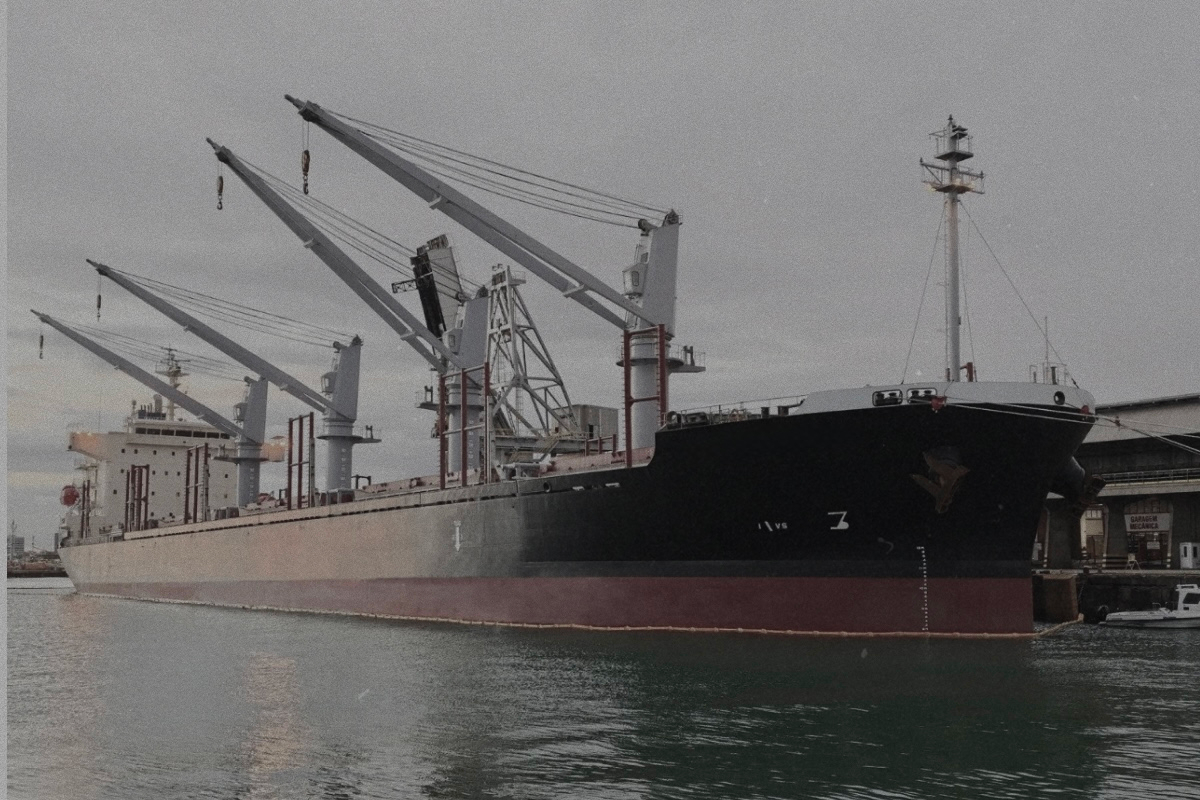
On April 29, Ukrainian Navy forces struck the sanctioned tanker MARQUISE using naval drones. The vessel is part of Russia’s “shadow fleet” used for illegal oil transport.
Strikes on Russian military-industrial complex
-
“Strela” plant (Bryansk region) — production of missile components damaged
- “Atlant Aero” plant (Taganrog) — struck by Neptune missiles, UAV production facilities damaged
Black Sea Fleet losses and naval targets
Multiple Russian naval assets were damaged or disabled in Sevastopol and Kerch Strait, including large landing ships, patrol boats, and reconnaissance vessels.
Aircraft losses
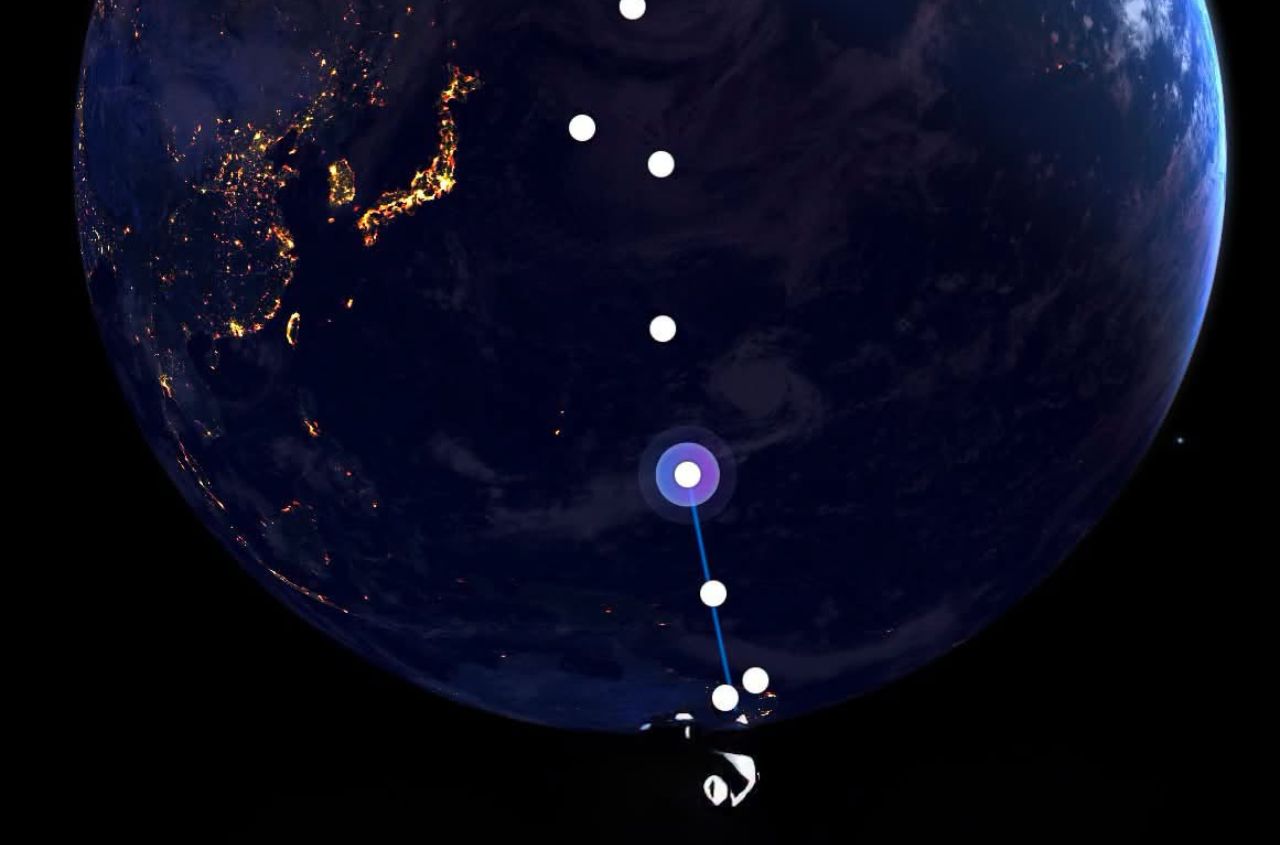
At Shagol airbase (Chelyabinsk region), Ukrainian forces reportedly struck Su-57, Su-34, and another aircraft at a distance of ~1,700 km — one of the deepest strikes of the war, challenging the concept of Russia’s “safe rear.”