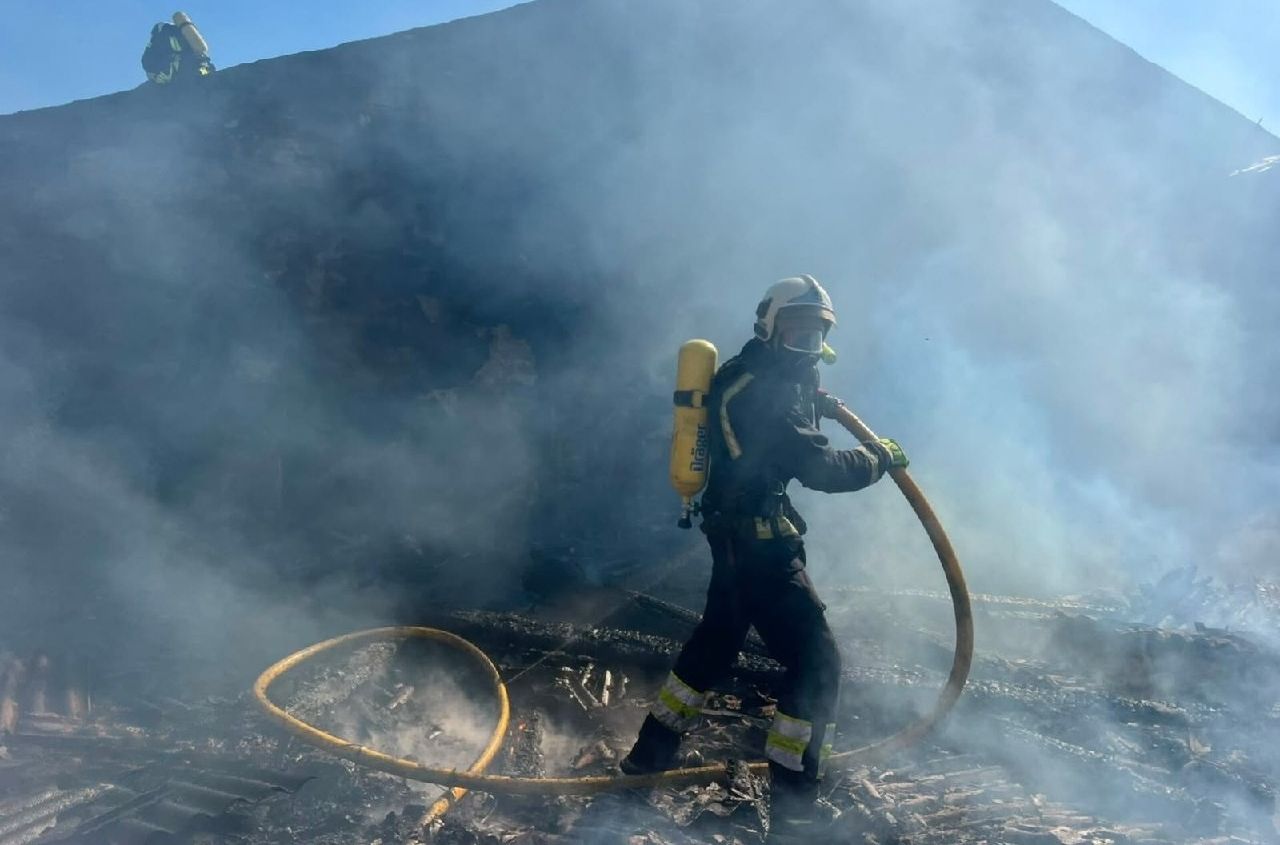


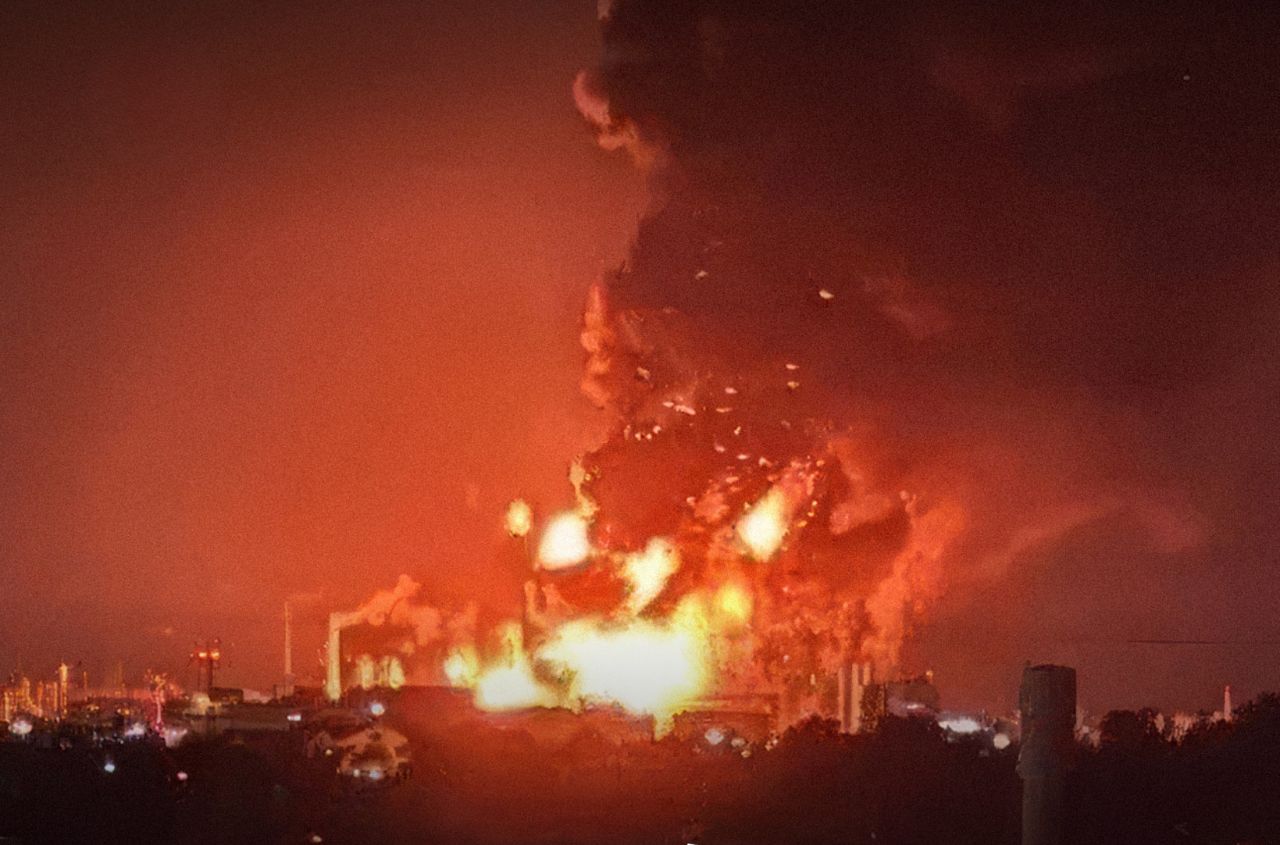

The Defense Forces of Ukraine continue to reduce the military-economic potential and offensive capabilities of the Russian Federation. During January and February 2026, over 40 strikes were carried out on oil and gas infrastructure, the military-industrial complex, command posts, ammunition depots, equipment, and Russian forces on Russian territory.
In particular, 13 refineries, oil depots, and other objects of Russia’s oil and gas sector were hit. Strikes on these targets weaken both the economic capacity of the Russian State to wage war and directly reduce fuel supplies to Russian forces.
Depriving Russia of economic resources for war is one of the strategic goals of Ukraine’s War Plan, presented by Defense Minister Mykhailo Fedorov.
Revenues from oil and gas sales allow the Russian State to finance the war. With these funds, Russian forces produce missiles and drones used to strike Ukraine’s civilian population, pay contracts to soldiers, and maintain a large propaganda network. Cutting off this channel sharply reduces resources available for war.
Ukraine is preparing a strategy to make Russia’s budget deficit in 2026 the largest in its history.
According to the General Staff of the Armed Forces of Ukraine, in January–February, the following oil and gas infrastructure facilities in Russia were struck:
Refineries:
- Ilsky (Krasnodar region) – a key plant in southern Russia, important for fueling Russian forces in southern Ukraine, including Crimea.
- Slavyansk Eco (Krasnodar region) – provides foreign currency revenue and logistical capabilities for Russia in the Azov-Black Sea region.
- Volgograd (Volgograd region) – plays an important role in supplying fuel for Russian military equipment on the eastern front.
- Ukhtinsky (Komi) – supplies fuel to both northern and central regions of Russia as well as Russian forces.
Oil depots:
- Gerkon Plus (Lipetsk region) – an important storage hub in central Russia, supporting logistics and reserves.
- Oskolneftesnab (Belgorod region) – due to its proximity to the border, serves as a direct refueling base for Russian forces operating on the Kharkiv front.
- Zhutovskaya (Volgograd region) – supports rail and road fuel logistics toward occupied Donbas.
- Penzaneftprodukt (Penza region) – a major rear hub within Rosneft, ensuring stable fuel supply in the Volga region.
- Khokholskaya (Voronezh region) – a key base for logistic routes leading to the combat zone (“northern grouping” of Russian forces).
In addition, strikes were carried out on the Almetyevsk oil preparation facility (Tatarstan), Lukoil drilling rigs in the Caspian Sea, the Tamanneftegaz oil terminal (Krasnodar region), and the Neftegorsk gas processing plant (Samara region).