

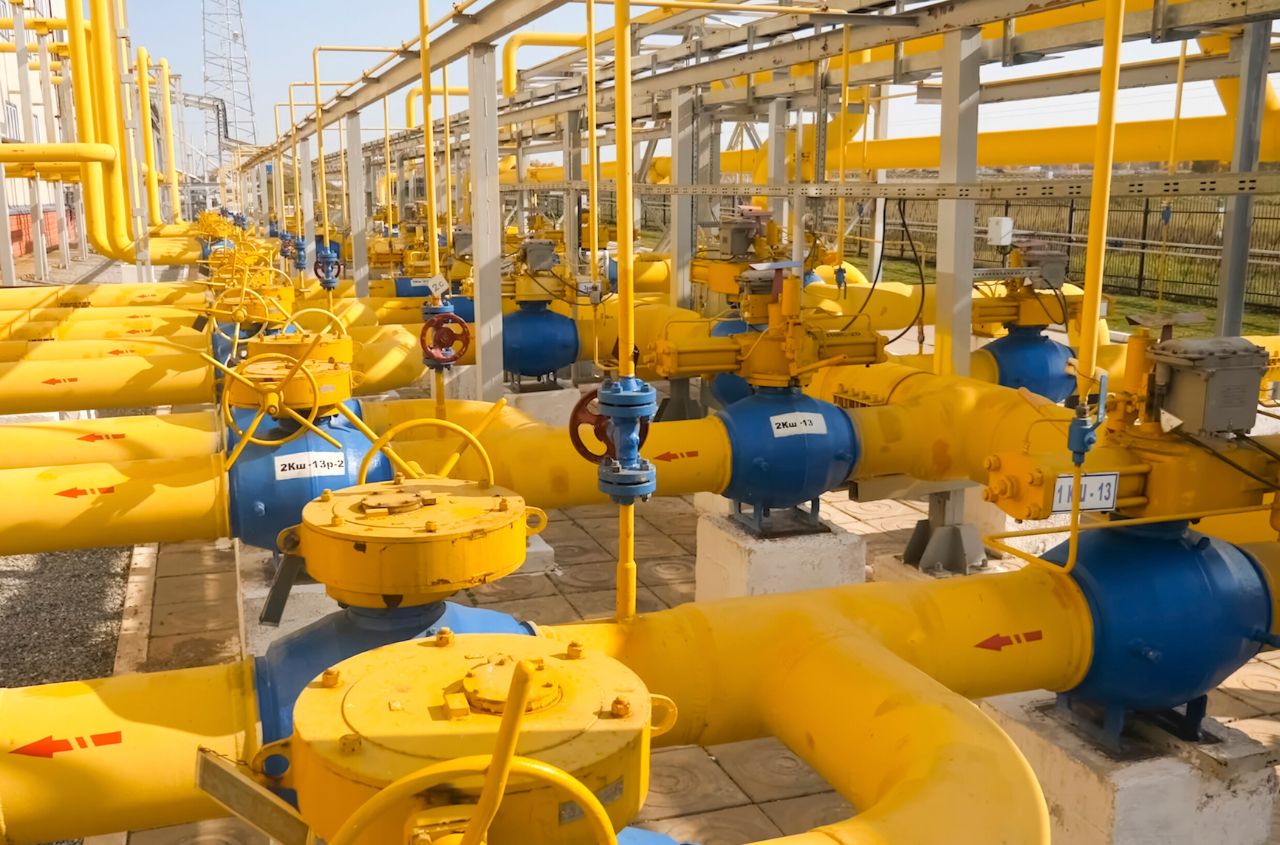
European Union countries have officially approved a regulation on the phased cessation of imports of Russian pipeline gas and liquefied natural gas (LNG) by 2027. This was reported by the press service of the EU Council.
“Today, the 27 EU member states formally adopted the regulation on phasing out Russian imports of both pipeline gas and liquified natural gas (LNG) into the EU. The new rules also include measures on effective monitoring and diversification of energy supply,” the statement said.
The regulation is a key step in implementing the REPowerEU objective of ending the EU’s dependence on Russian energy resources.
“As of today, the EU energy market will be stronger, more resilient and more diversified. We are breaking away from detrimental reliance on Russian gas and taking a major step, in a spirit of solidarity and cooperation, towards an autonomous Energy Union,” said Cyprus’s Minister of Energy, Trade and Industry, Michael Damianou, whose country has assumed the rotating presidency of the EU Council.
Under the regulation, imports of Russian pipeline gas and LNG into the EU will be banned. The ban will take effect six weeks after the regulation enters into force. A transitional period will be established for existing contracts. This phased approach is intended to limit the impact on prices and markets.
A full ban on LNG imports will come into force at the beginning of 2027, while the ban on pipeline gas imports will take effect in autumn 2027.
Before allowing gas imports into the EU, member states will verify the country of origin of the gas. Violations of the rules may result in fines of up to €2.5 million for individuals and up to €40 million or 3.5% of a company’s annual turnover for legal entities.
By March 1, 2026, member states must prepare national plans to diversify gas supplies and report existing contracts with the Russian Federation. In the event of a threat to energy security, the European Commission may temporarily suspend the ban for up to four weeks.
The regulation will be published in the Official Journal of the European Union and will enter into force the day after publication. The European Commission is also preparing separate legislation on the phased cessation of imports of Russian oil by the end of 2027.