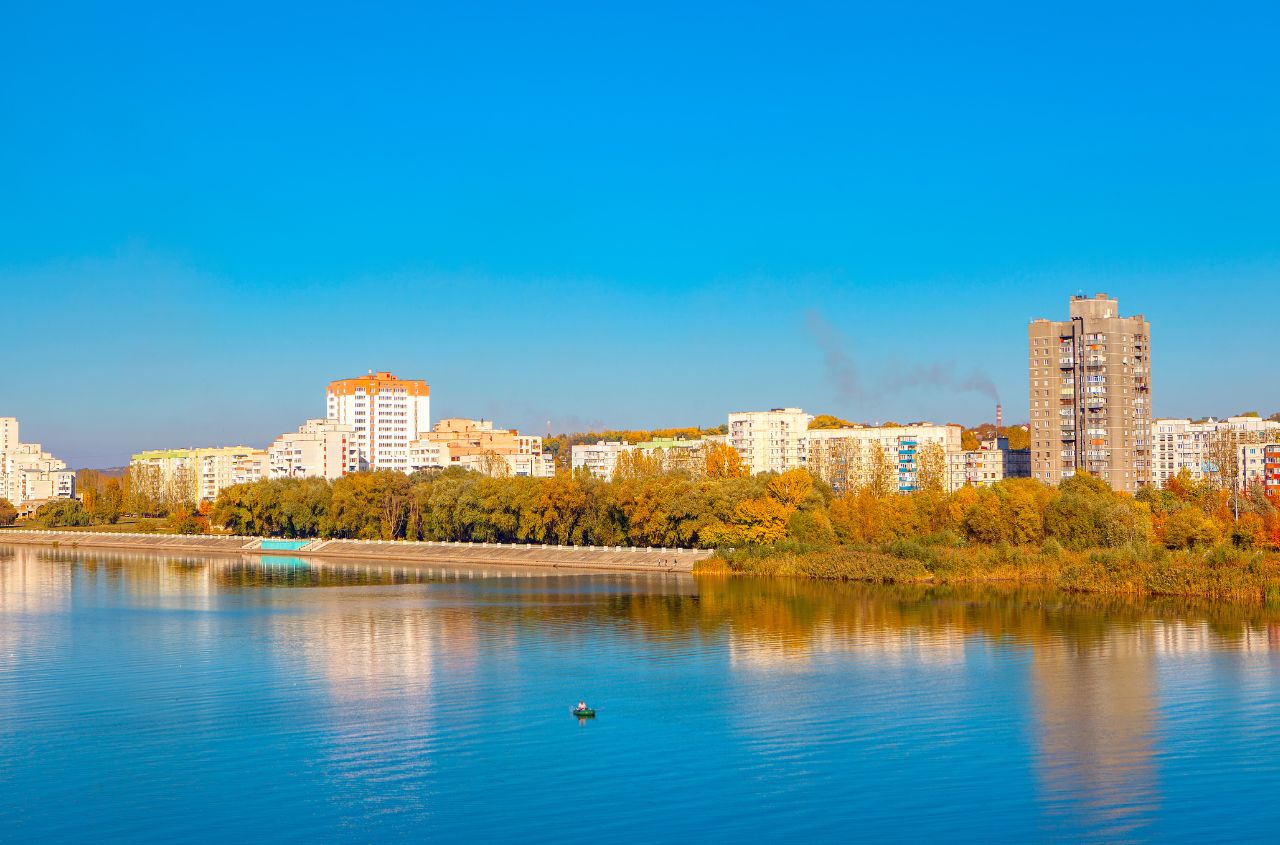


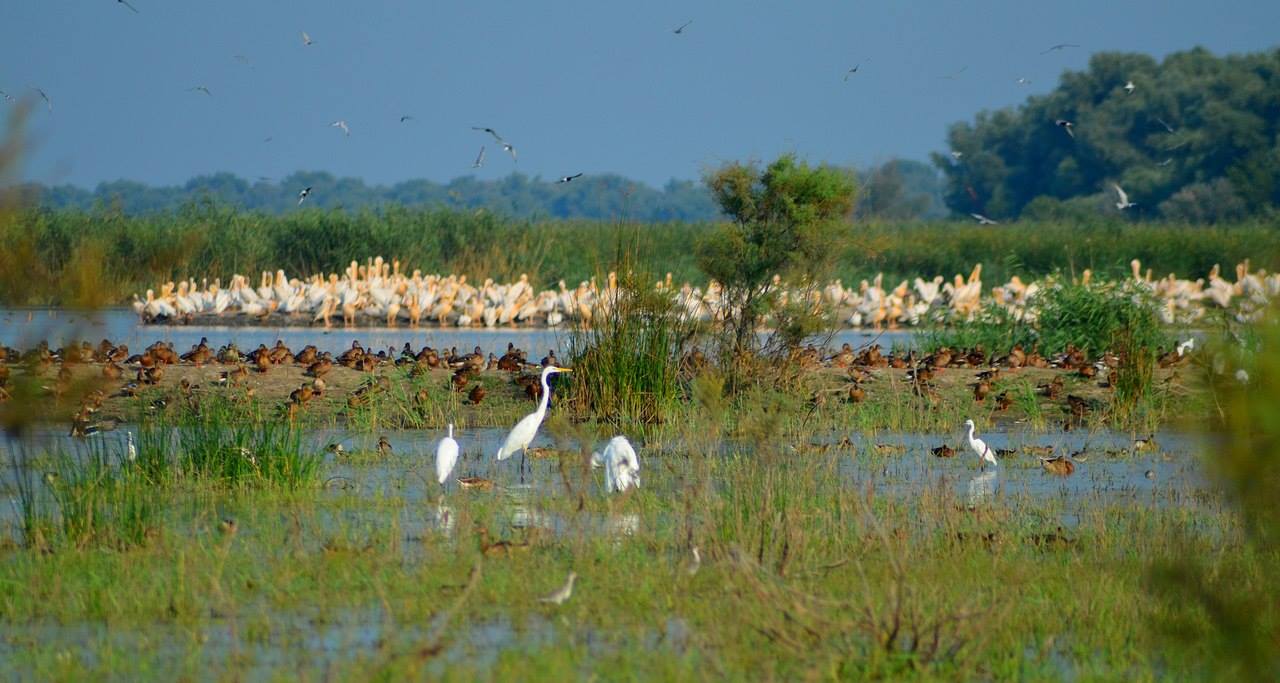

In Odessa region, there is a unique Danube region—in the Danube delta, among estuaries, floodplains, lakes, and coastal ecosystems—that forms one of the most valuable wetland complexes not only in Ukraine but throughout Europe. These ecosystems support thousands of plant and animal species, regulate the microclimate, retain moisture, mitigate the effects of droughts, serve as key habitats for many flora and fauna species, and form the basis for traditional livelihoods of local communities. This was explained by Maksym Yakovlev, Deputy Director for Scientific Work at the Danube Biosphere Reserve, as reported by Bessarabia Inform.
One of the main causes of such hydrological redistribution has been large-scale hydraulic interventions, including the construction of a jet-guiding dam at Cape Izmail Chatal, which blocked a significant portion of the natural width of the Danube at its branching point. Simultaneously, changes occurred in the intra-annual distribution of river flow: during low-water periods, the Kiliya branch carries an ever-decreasing share of water, which is critical for nourishing floodplains, minor branches, and floodplain lakes. This issue has been repeatedly raised, including by the Danube Biosphere Reserve, at the state level, but unfortunately remains unresolved to this day.
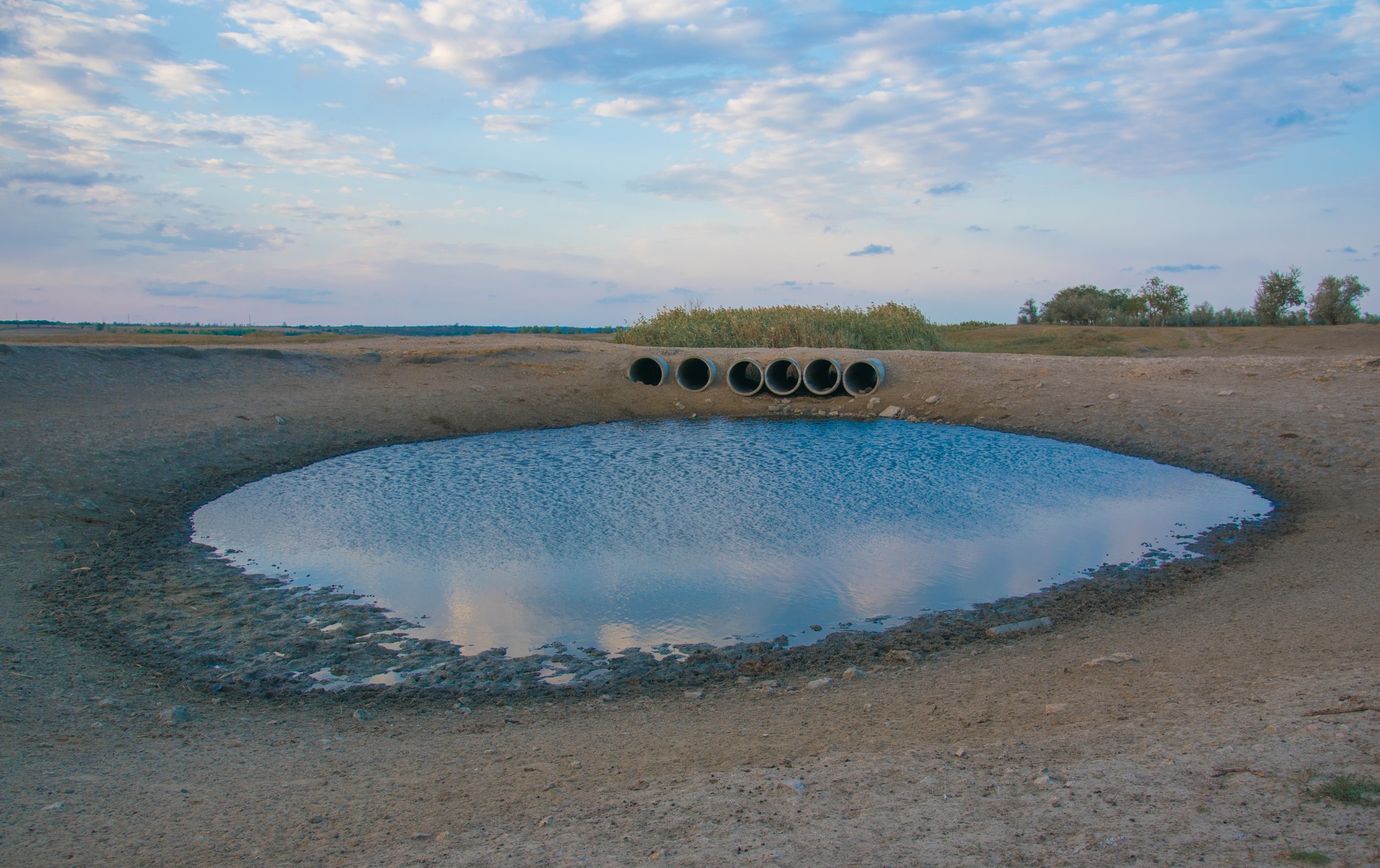
Currently, the wetlands of the Danube region (like most other wetlands in Ukraine) are rapidly degrading and losing their natural functions. Small rivers in the region have nearly disappeared due to transformation and degradation. One of the most acute environmental problems is the large-scale redistribution of flow in the Kiliya branch of the Danube, which has been ongoing throughout the 20th and early 21st centuries. At the beginning of the 20th century, the Kiliya branch accounted for about 72% of the river’s flow; by the second half of the 20th century, this decreased to 58–52%, and in recent decades, it has dropped to less than 50%. Current estimates indicate that annual water losses for the Kiliya branch reach around 40 km³—a volume comparable to the combined annual flows of several major rivers in Ukraine.
The consequences for the Ukrainian part of the delta are extensive and multidimensional. Wetlands over more than 80,000 hectares are degrading, navigable depths are lost, minor branches die off, water exchange in lakes and estuaries worsens, and saltwater intrusion into the delta progresses.
The situation is further exacerbated by climate change, which is particularly acute in southern Ukraine. In recent decades, there has been a steady increase in average annual temperatures, longer and more intense summer droughts, reduced precipitation during the warm season, and disruption of seasonal rhythms. Combined with decreased Danube water flow, this triggers processes typical of semi-arid regions—desertification. Lowering of groundwater levels, drying of floodplains, degradation of meadows, and soil salinization lead to the loss of natural vegetation, reduced landscape productivity, and further shrinkage of wetland areas. Wetlands, which traditionally acted as “moisture reservoirs” and natural buffers, are gradually losing the ability to mitigate drought processes, thereby increasing regional climate risks.
Thus, preserving the wetlands of the Danube region is impossible without restoring the natural hydrological regime, maintaining protective coastal strips, implementing ecologically oriented management, and engaging in international dialogue on the use of Danube water resources.