


Ukraine’s agricultural sector faces mounting challenges as soaring fertilizer prices threaten the current sowing campaign and the country’s future harvests. According to the All-Ukrainian Agrarian Council, the sharp rise in costs is already putting farmers’ ability to supply fields with essential inputs at risk.
“Today, ammonium nitrate and urea cost around UAH 40,000 per ton, which is extremely high. While global prices are also increasing, around $750–760 per ton, domestic costs are even higher due to logistics and import duties. Producers are already questioning whether they can apply fertilizers in full. Unfortunately, the answer is clear—they won’t be able to fully supply their fields,” said Agrarian Council Deputy Head Denys Marchuk.
The core challenge lies in the lack of economic justification for investing large sums in fertilizers amid uncertain future prices for grains and oilseeds.
“At present, there is no financial viability for working in this area. All resources go into sowing, while summer prices for crops remain unknown. There is a risk they could be much lower than the expenses already incurred by farmers. Under these conditions, Agrarian Council proposes concrete measures to stabilize the situation. Some interventions are already overdue, but others can still be implemented to help farmers prepare for winter sowing and secure the necessary volumes of fertilizers,” Marchuk added.
All-Ukrainian Agrarian Council has outlined several potential solutions:
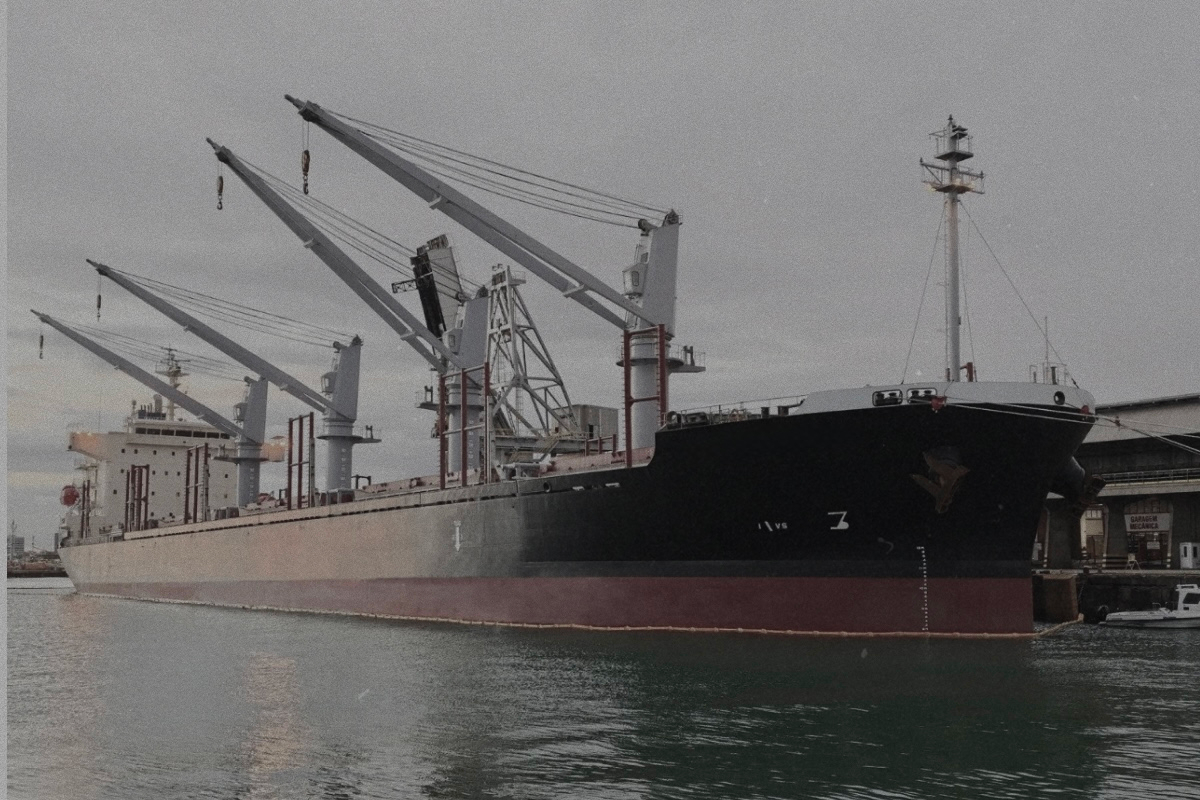
- Allowing maritime transport of ammonium nitrate, currently prohibited as hazardous cargo. Expert assessments have been submitted to the Ministry of Economy, the Odesa Regional Military Administration, and the Ukrainian Navy.
- Restarting the Odesa Port Plant to produce fertilizers using existing, unused gas supplies.
- Reducing import duties to increase market availability.
Without such measures, farmers may be forced to under-fertilize, which could have significant economic repercussions.
“For winter sowing, the situation could become critical, threatening over 20% of the future harvest. In monetary terms, this could mean a loss of more than $4–5 billion in export revenue—resources that support the economy and the Armed Forces. Not using fertilizers is not an option if we are to maintain the necessary production volumes. Ukraine is an export-oriented agricultural country, and this issue impacts both business and national economic stability,” Marchuk concluded.