

Main image by Magnus Lejhall/TT
Last year, the security situation in Sweden deteriorated. There are concerns that the threat from Russia will continue to grow through 2030.
This is stated in the annual report of Sweden’s military intelligence service, Swedish Military Intelligence and Security Service (Must), according to Sweden Herald.
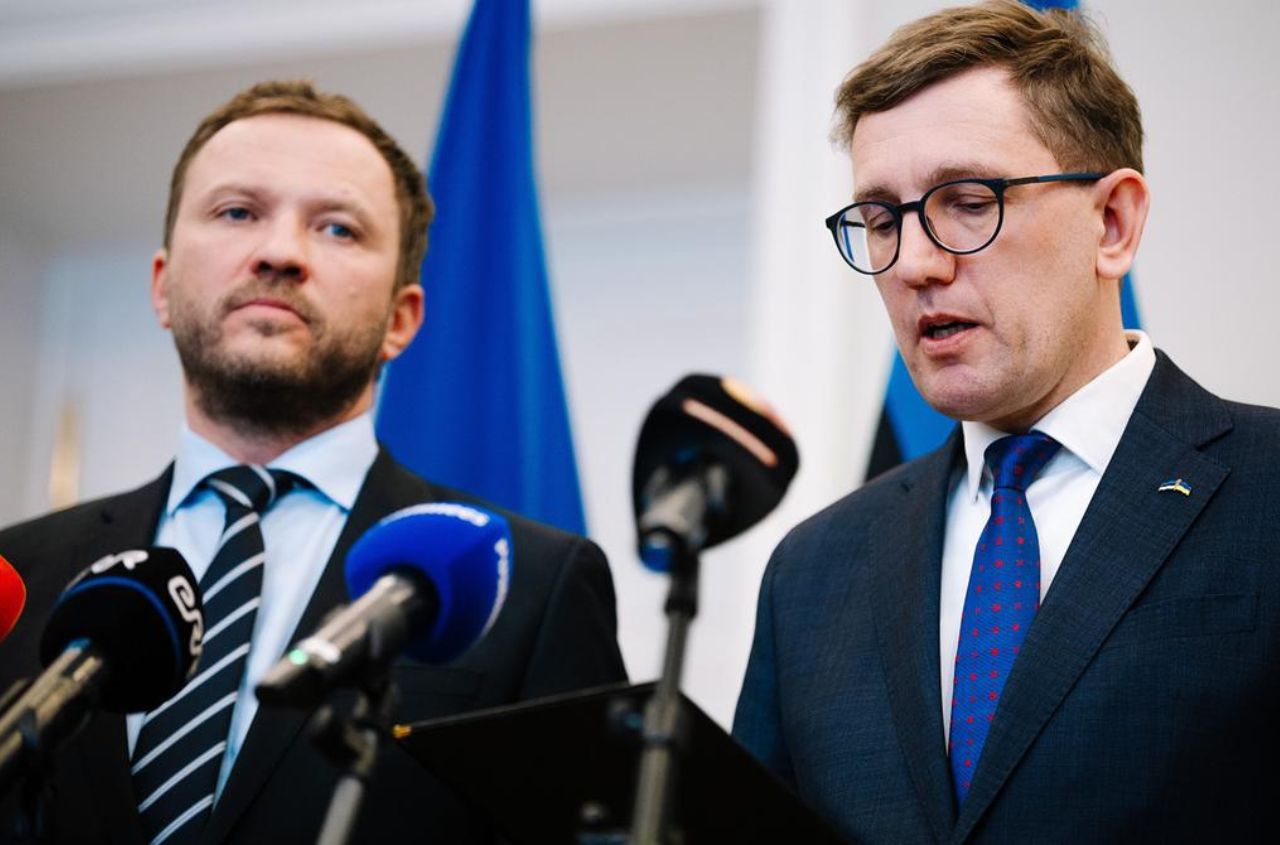
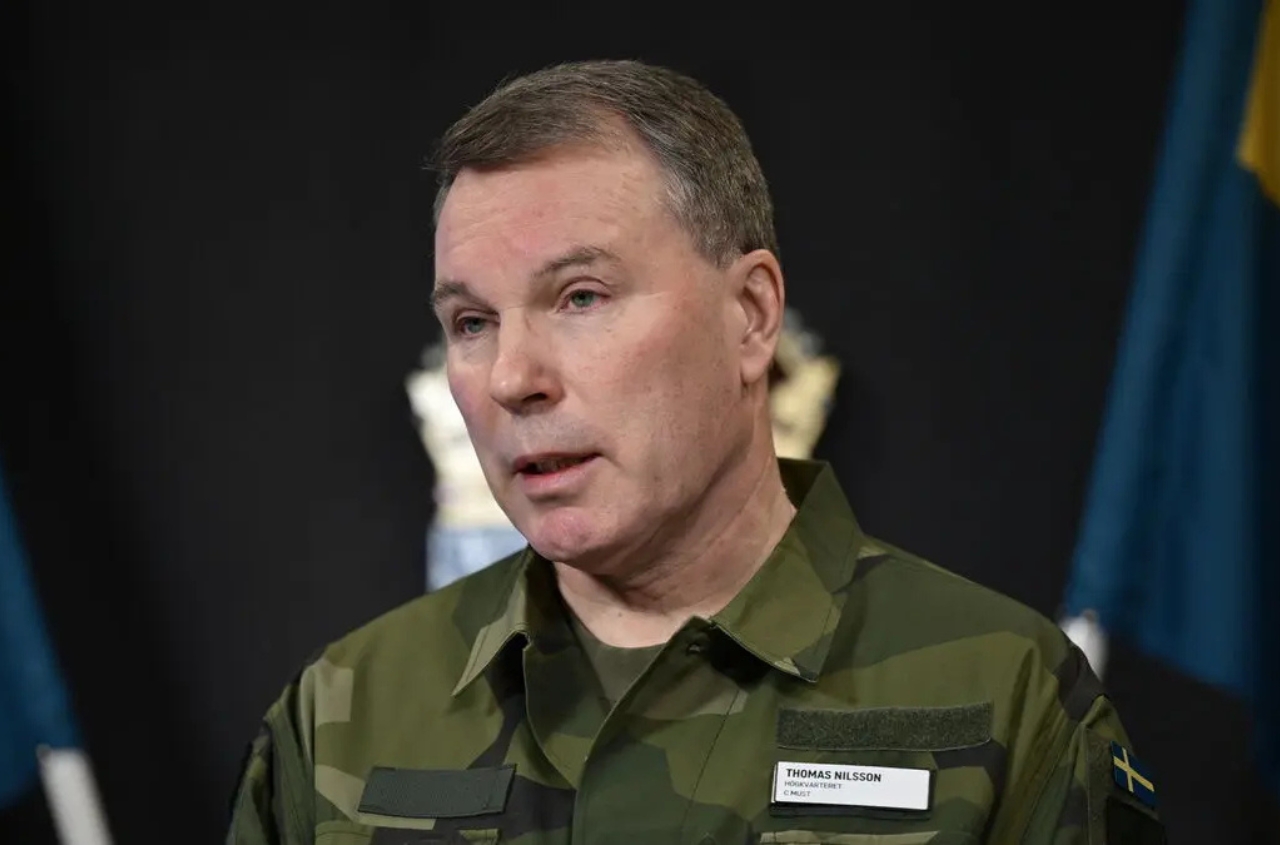
Head of Must, Thomas Nilsson, said that the threats facing Sweden are very serious and that the situation could worsen further.
The main reason for the deterioration is the continuation of Russia’s war against Ukraine.
“If I were to add anything, it would be the hybrid warfare we are seeing from Russia aimed at weakening and dividing the West,” Nilsson said.
The intelligence service pointed to signs that Russia is expanding its hybrid warfare, suggesting that Russian actions threatening European security will increase “in frequency, scale, and risk” through 2030.
According to the Must report, Russia’s actions are “becoming increasingly risky and reckless.” Intelligence officials cite acts of sabotage and violations of European countries’ airspace by Russian aircraft and drones as examples.
“We have seen sabotage directed against our neighboring countries, Poland and the Baltic states, and there are also reports from Germany,” Nilsson noted.
He stated that intelligence services do not currently see Sweden as a specific sabotage target, but added that the situation “can change very quickly.”
The threat of sabotage is considered greatest in relation to Sweden’s and NATO countries’ military support for Ukraine. However, the head of Must does not rule out that energy and communications infrastructure could be affected in the future.
“Such facilities could of course become targets,” Nilsson said.
At present, hybrid warfare is viewed as the primary tool used by the Russian leadership to influence developments around Sweden. Russia has military resources in the Baltic Sea region and will prioritize strengthening its forces in that region as quickly as possible.
According to assessments, within three to five years Russia could seize small but strategically significant territories. This could occur along Russia’s border with NATO countries if Moscow suspects that the Alliance would not agree to invoke Article 5 of the NATO treaty on collective defense, the report states.
“This would have a significant impact if Western and NATO unity is not complete,” Nilsson believes.