

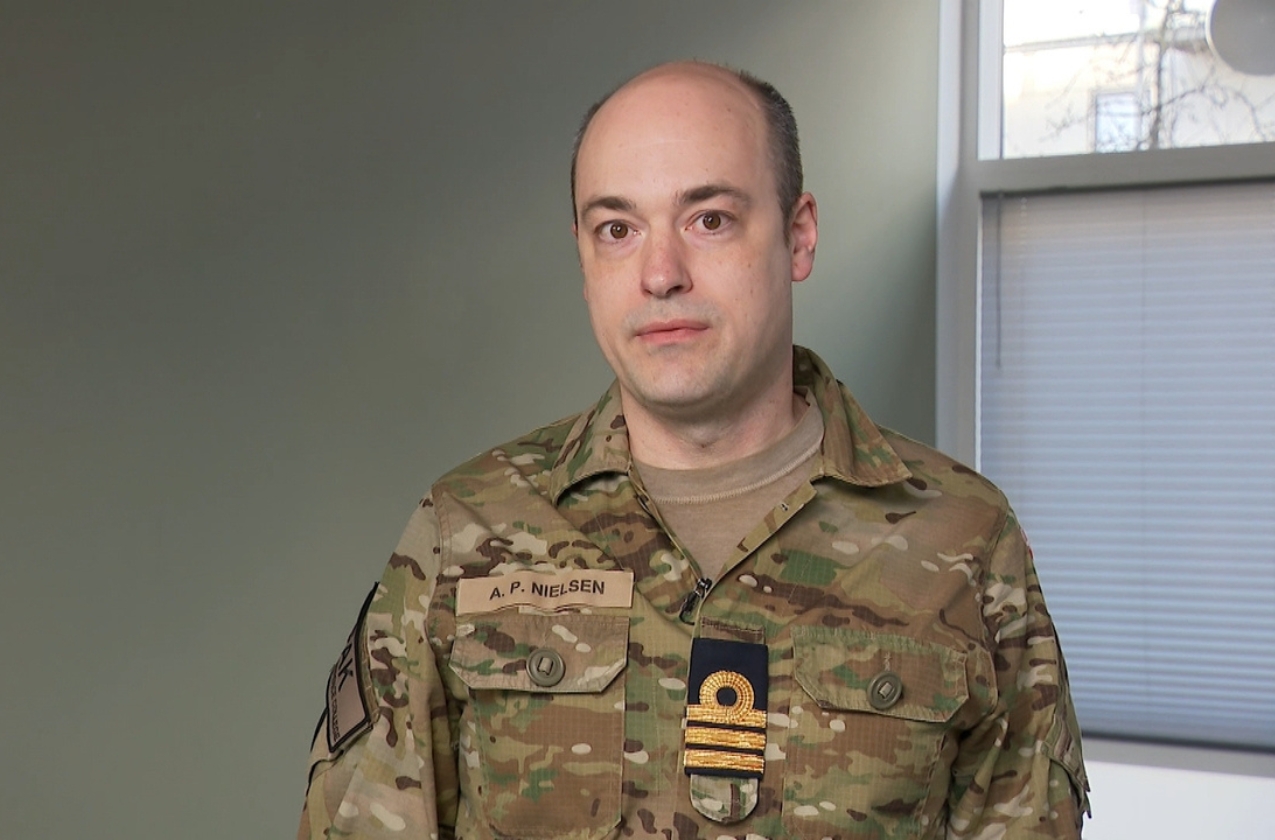
Military analyst Anders Nielsen of the Royal Danish Defence College says Europe's rearmament should strike a balance between traditional weapons and rapidly evolving drone technologies, warning that poor procurement decisions could prove disastrous in a future conflict with Russia.
Among his key points:
Drones represent a military revolution comparable to the introduction of tanks or aircraft. Rather than replacing soldiers, they will fight alongside them, requiring new doctrines and tactics.
The widespread use of drones has made the battlefield far more transparent through constant aerial surveillance while dramatically increasing the density of low-cost precision strike capabilities.
These developments favor wars of attrition. Nielsen argues that future conflicts are likely to begin with an attritional phase designed to weaken the enemy before transitioning to maneuver warfare, with drones playing the leading role early on and traditional forces becoming more important later.
European militaries should move away from relying on small numbers of highly advanced and expensive platforms. Instead, they need larger reserves and the ability to replace battlefield losses during a prolonged war.
Victory will depend not only on the peacetime military but also on industrial capacity. The armed forces that enter a war will buy time, while defense industries and technology sectors must generate the equipment needed to sustain and ultimately win the conflict.
Europe also needs greater long-range strike capabilities. Nielsen argues that wars cannot be won through defense alone and that the ability to strike an opponent's industrial and economic infrastructure is essential.
Traditional military forces remain indispensable. Infantry, tanks, armored vehicles, warships, and other conventional assets cannot be replaced entirely by drones. In particular, major naval missions still require frigates and destroyers rather than unmanned systems.