


Russian forces are intensifying pressure across Ukraine's southern front on multiple axes, deploying elite special operations units to guard against a potential Ukrainian liberation of the Kinburn and Tendra spits, while simultaneously escalating assaults in the Zaporizhzhia region with newly set — and repeatedly missed — battlefield deadlines.
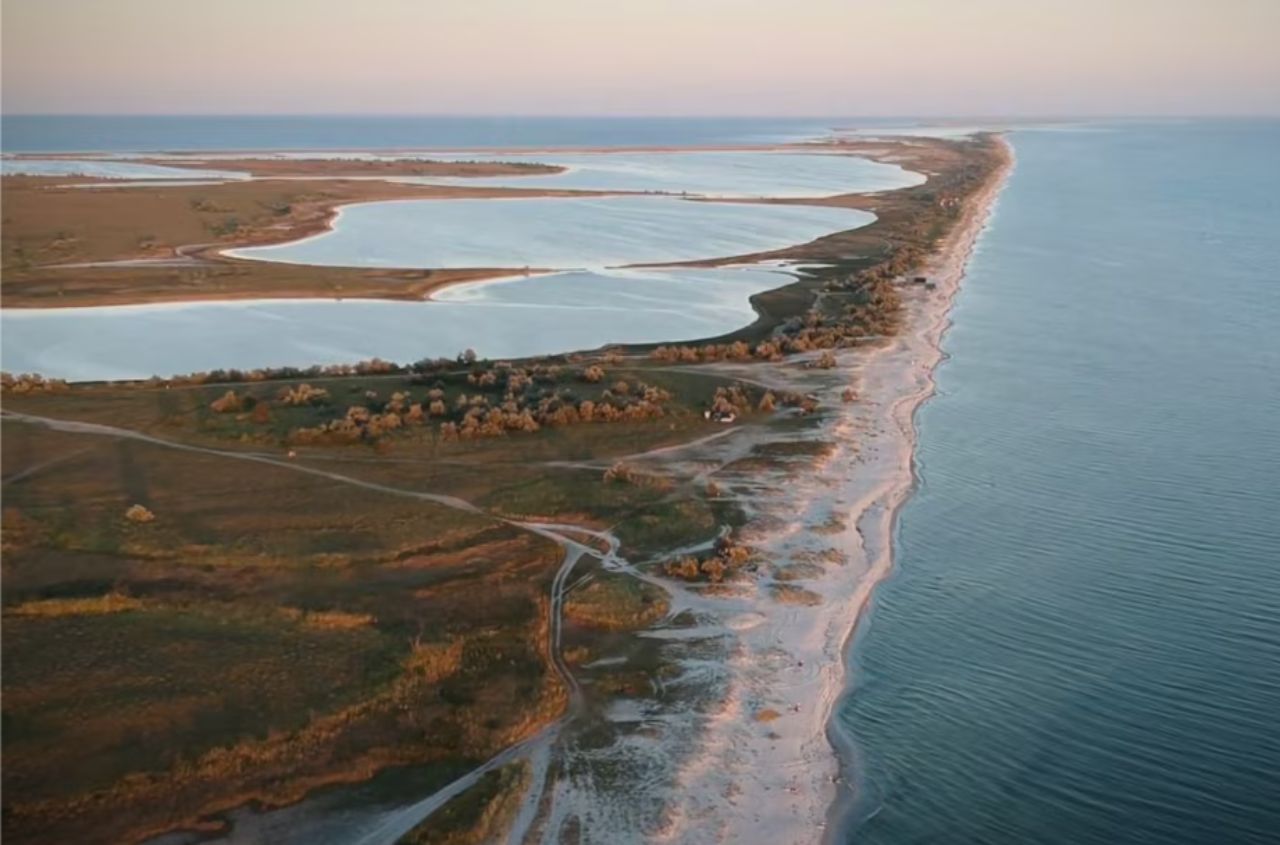
Southern Defense Forces spokesman Colonel Vladyslav Voloshyn revealed that Russian commanders are deeply concerned about the possibility of Ukrainian forces attempting to retake the Kinburn and Tendra spits, and have stationed some of their most capable special operations units there as a deterrent.
The unit, drawn from the Sevastopol Special Operations Centre, is well-equipped and recently underwent a rotation. According to Voloshyn, its ranks include residents of Russian-occupied Crimea and even some former Ukrainian military personnel.
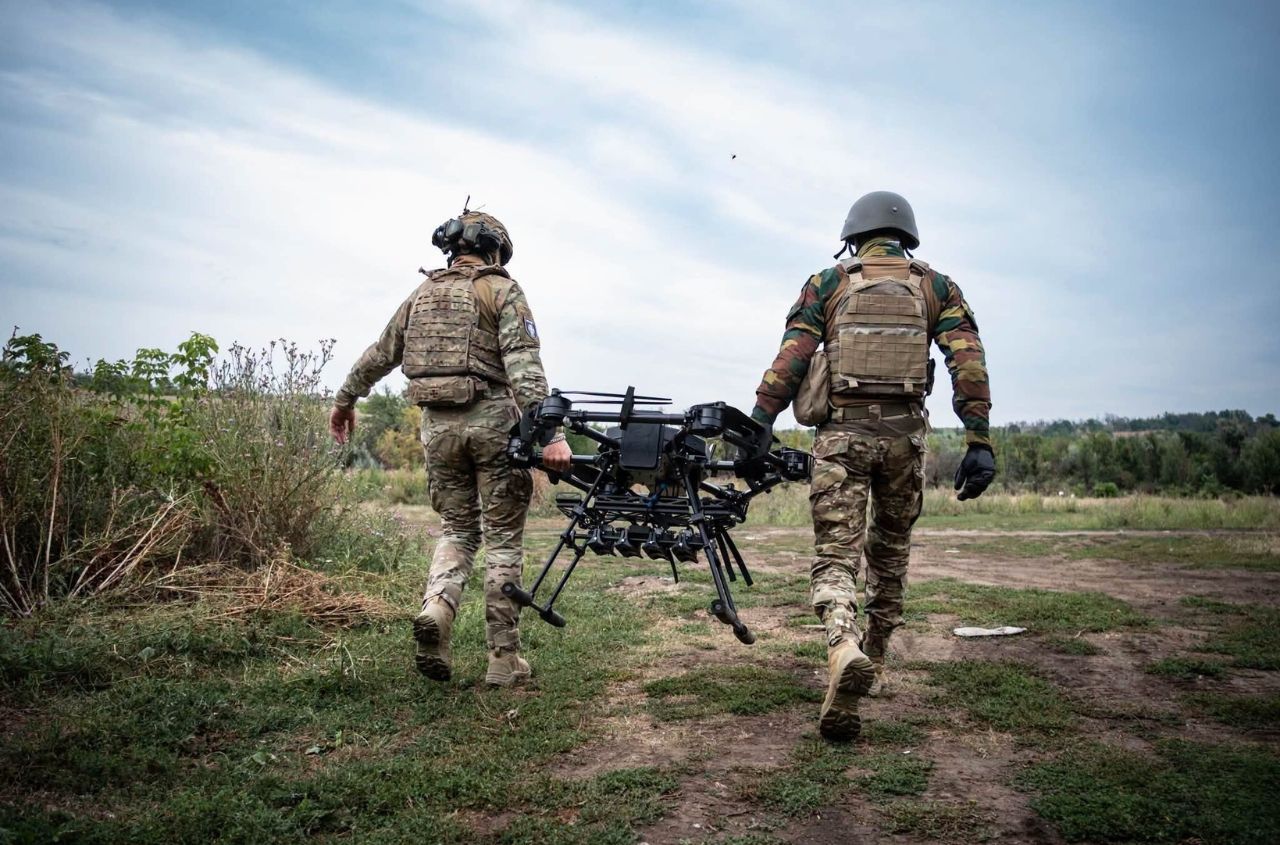
"They are keeping one of their most combat-ready special forces units there," Voloshyn said. The detachment is armed with modern boats, powerful pickup trucks, electronic warfare and signals intelligence equipment, and crews operating both reconnaissance and strike drones.
Its primary mission, the spokesman explained, is conducting aerial reconnaissance over the Kinburn Spit area, monitoring the waters of the Dnipro Bay, the Dnipro river delta, and Maiskyi Island, as well as patrolling the coastline and organizing anti-landing measures.
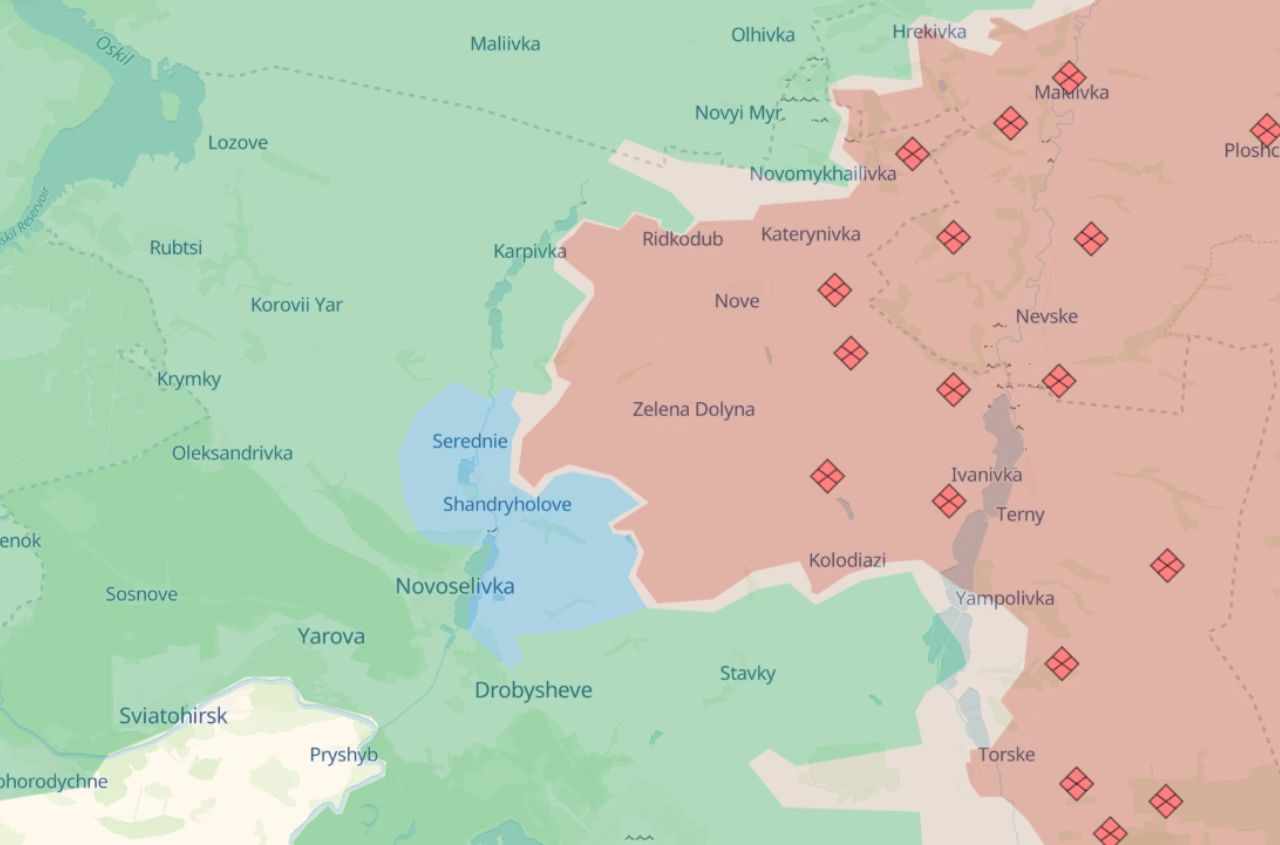
On the Zaporizhzhia front, Russian forces recorded 37 combat engagements over the past day, 32 of which occurred in the Huliaipole sector. Russian forces have been repeatedly attempting to break through southwest of Huliapole, in the area around Charyvne, Zalizychne, and Huliaipole — so far without success.
Voloshyn noted that Russian command has set and repeatedly extended its deadline for capturing Huliaipole — first targeting May 15, then May 20, and now May 30. An armored assault using infantry fighting vehicles and quad bikes attempted to storm the settlement on Thursday but was repelled before reaching Ukrainian positions. Russian command has also tasked its forces with capturing Verkhnia Tersa by May 31.
Looking further ahead, the 7th Air Assault Division has been ordered to seize control of Stepnohorsk by the end of June. To support that push, Russia is redeploying the 137th Airborne Regiment from the Prydniprovske direction and the 74th Separate Motorized Rifle Regiment — which previously participated in assaults on Stepnohorsk — to the Orikhiv axis, where Ukrainian forces are currently working to reclaim the tactical initiative.
Additional reinforcements heading to the area include a special forces detachment from the 19th Division of the 58th Army, tasked specifically with countering Ukraine's successful counterattack operations, as well as paratroopers transferred from Kherson. Several TOS-1A Solntsepek thermobaric multiple rocket launcher systems are also being moved to the area to bolster Russian fire support.
The intensity of Russian drone use across the south has also sharply escalated. Voloshyn reported approximately 2,000 kamikaze drone strikes recorded in the south over the past day alone — an increase of 50 to 100 per day — of which nearly 600 were Molniya, Molniya-2, and Lancet loitering munitions. Daily airstrikes in the sector number between 20 and 25, accompanied by up to 100 glide bomb drops. Reconnaissance drone activity is also on the rise.
The spokesman noted that Russian forces show no signs of shortage in either ammunition or manpower.