

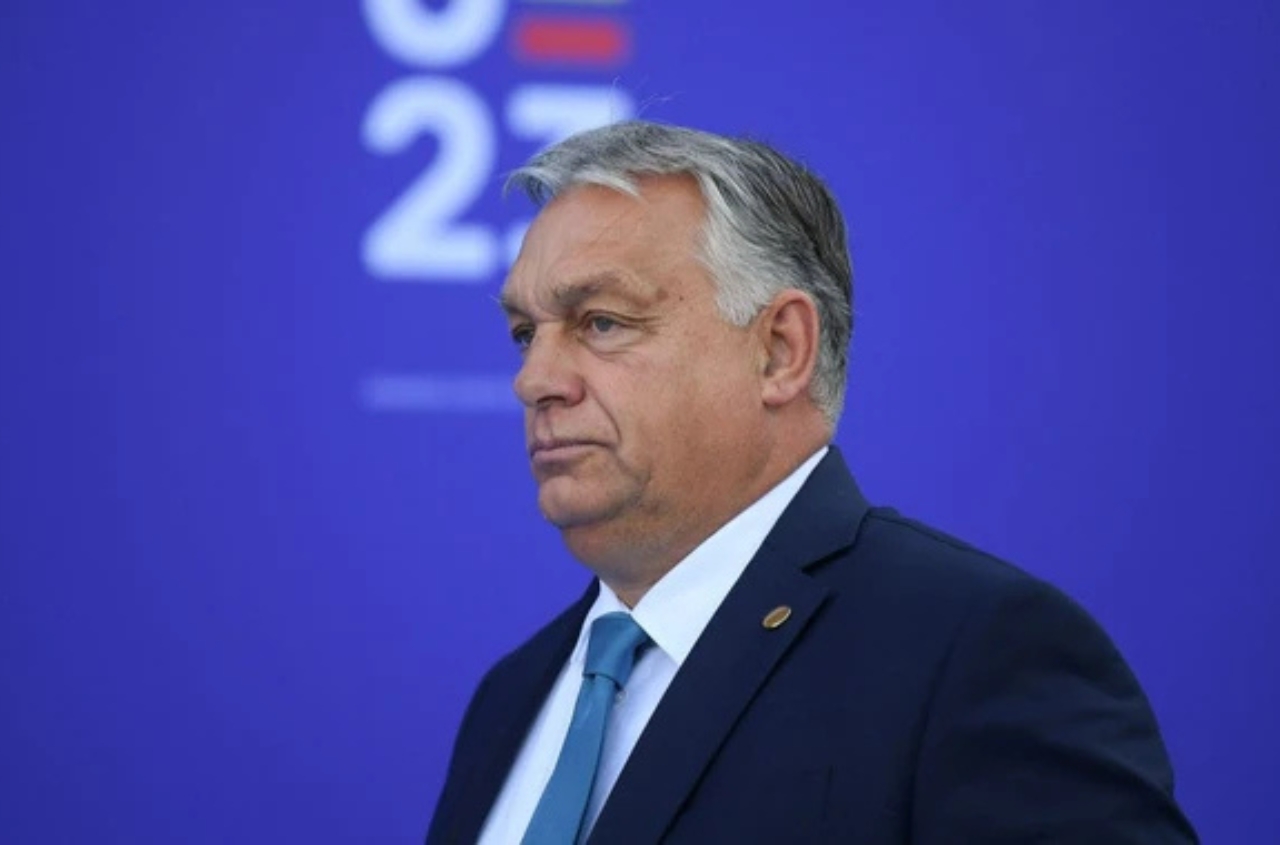
Despite attempts by Prime Minister Viktor Orbán to mask his pre-election campaign with pacifist rhetoric, it is becoming clear that Hungary is no longer outside the war, the Robert Lansing Institute stated.
In practice, the country has entered the conflict not through direct military action, but through political, economic, and strategic alignment with the Kremlin against the European Union and the Western community. Orbán’s narrative of peace serves only as a domestic political tool to conceal Budapest’s active participation in Russia’s confrontation with Europe.
While Hungarian voters are being warned about the dangers of being drawn into war, Orbán is effectively placing the country on Russia’s side, creating a paradoxical situation in which Hungary portrays itself as a victim while simultaneously undermining Western unity from within.
This model has historical parallels: during World War II, Ferenc Szálasi’s regime chose an alliance with Nazi Germany, which ended in national catastrophe. Today, the logic repeats itself: Budapest is once again betting on an aggressive foreign power for its own ambitions.
Orbán’s strategy combines obtaining financial aid from the EU with political sabotage within its institutions. Hungary uses Brussels’ resources while simultaneously blocking common European policies and weakening sanctions against Russia. Support for the Kremlin is based on the calculation that a Moscow victory would allow Hungary to pursue territorial claims over neighboring countries under the pretext of protecting ethnic minorities.
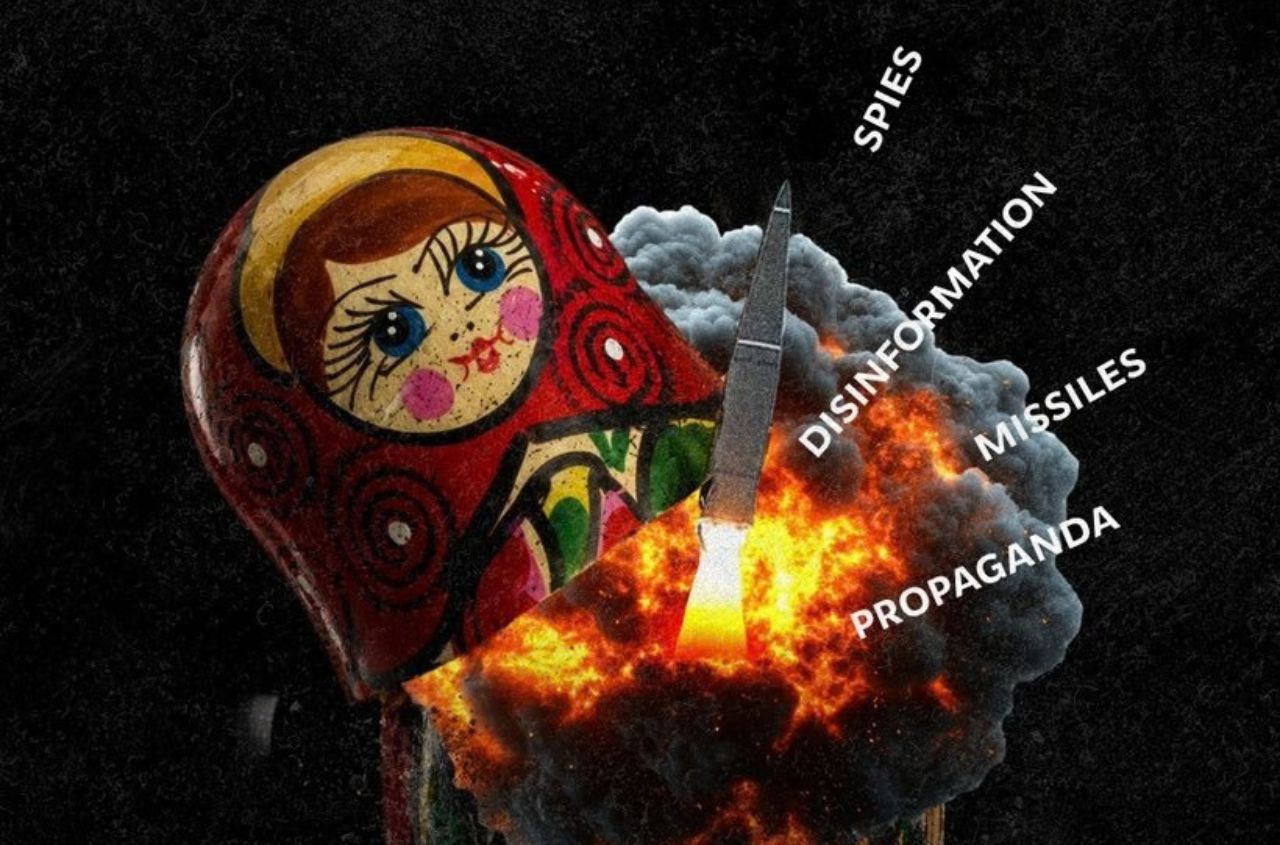
In reality, Hungary has become an operational asset for Russia inside the EU, providing political support to Moscow and serving as a channel to bypass sanctions. Dependence on Russian hydrocarbons only strengthens Kremlin influence.
The battlefield in this hybrid war is institutional, and the weapons are veto power, disinformation, and economic obstruction. Budapest uses its membership in the EU and NATO not to strengthen defense, but to gain intelligence and slow allies’ responses. Hungarian state media consistently broadcast the Russian interpretation of events, blaming Ukraine for escalation and portraying Western aid as reckless.
Orbán’s position regarding ethnic Hungarians in Ukraine appears particularly cynical, according to analysts. While officially claiming to protect them, the prime minister practically blocks military aid to Kyiv. Since the Hungarians in Zakarpattia are Ukrainian citizens subject to mobilization, weakening the country’s defense only prolongs the conflict and increases the risk of their deaths on the front due to a lack of equipment and air defense. Orbán is effectively using his compatriots as a political shield and expendable material in his geopolitical game with Moscow.
In the 21st century, the concept of war has changed: institutional paralysis replaces battlefield defeat. Acting as an internal disruptor of Western structures, Orbán’s Hungary is no longer a neutral state. This is not mere disagreement, but strategic hostility, where submission to an external patron is presented as sovereignty. History shows that betting on the collapse of the European order for short-term gain has already led Hungary to isolation and catastrophe, and the current course risks repeating these structural patterns.