


The war has entered a new stage. By April 1 of this year, Russia plans to increase the number of its unmanned systems troops to 101,000 personnel.
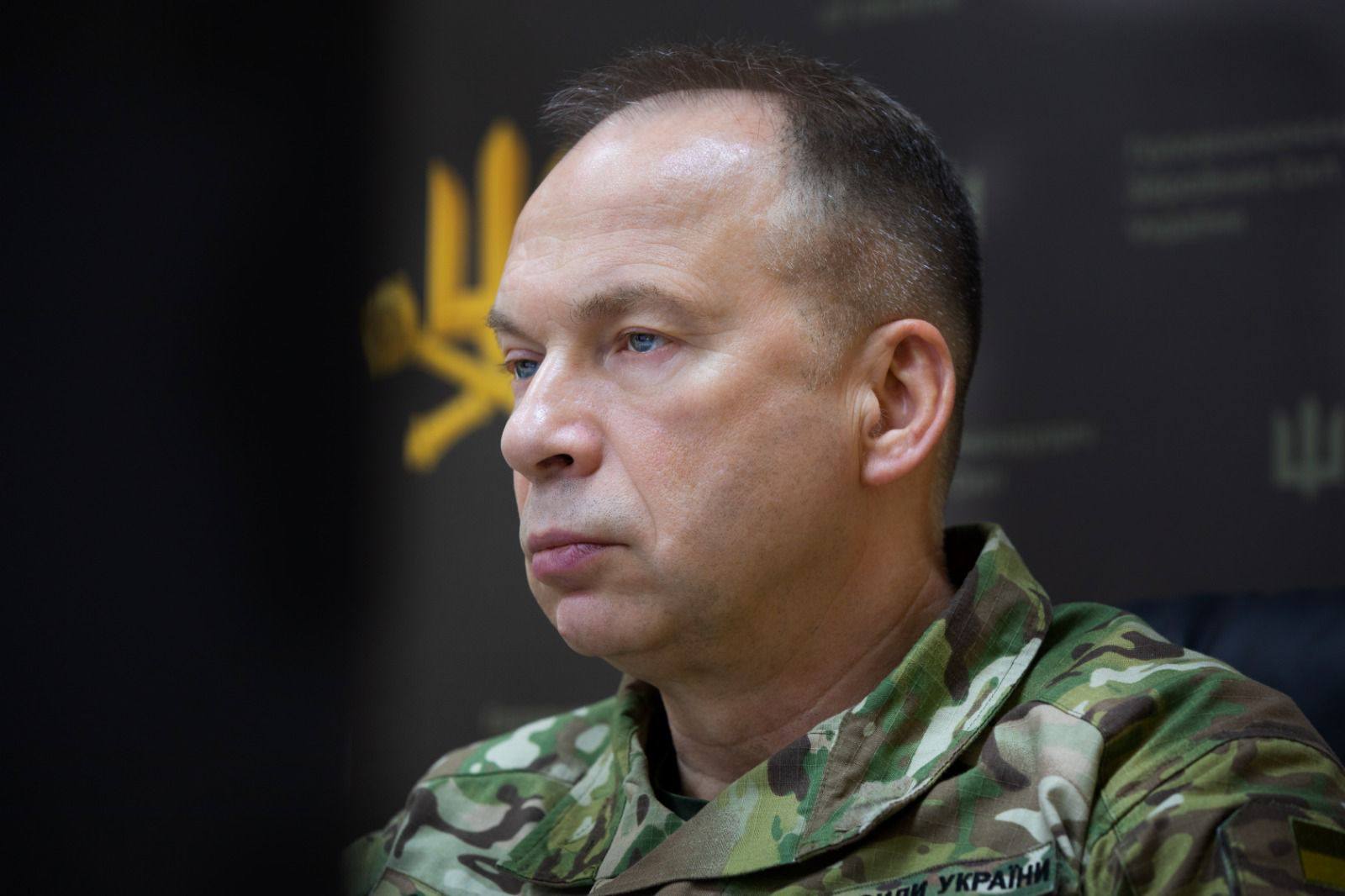
This was stated by the Commander-in-Chief of the Armed Forces of Ukraine, Oleksandr Syrskyi, following a meeting on the development of unmanned systems.
“At the meeting on the development of unmanned systems, intelligence reported that this year the Russians are accelerating the creation of UAV units in an attempt to influence the course of hostilities, particularly in the southern directions, where our enemy is losing initiative and territory. By April 1, Russia plans to increase the number of its unmanned systems troops to 101,000 personnel,” Syrskyi noted.
According to him, the war has entered a new phase. The expansion of “kill zones” is becoming a consequence of the growing capabilities of strike UAVs. To win this technology-driven war, Ukraine must increase the pace of developing effective unmanned systems, their procurement for the military, and their use on the battlefield.
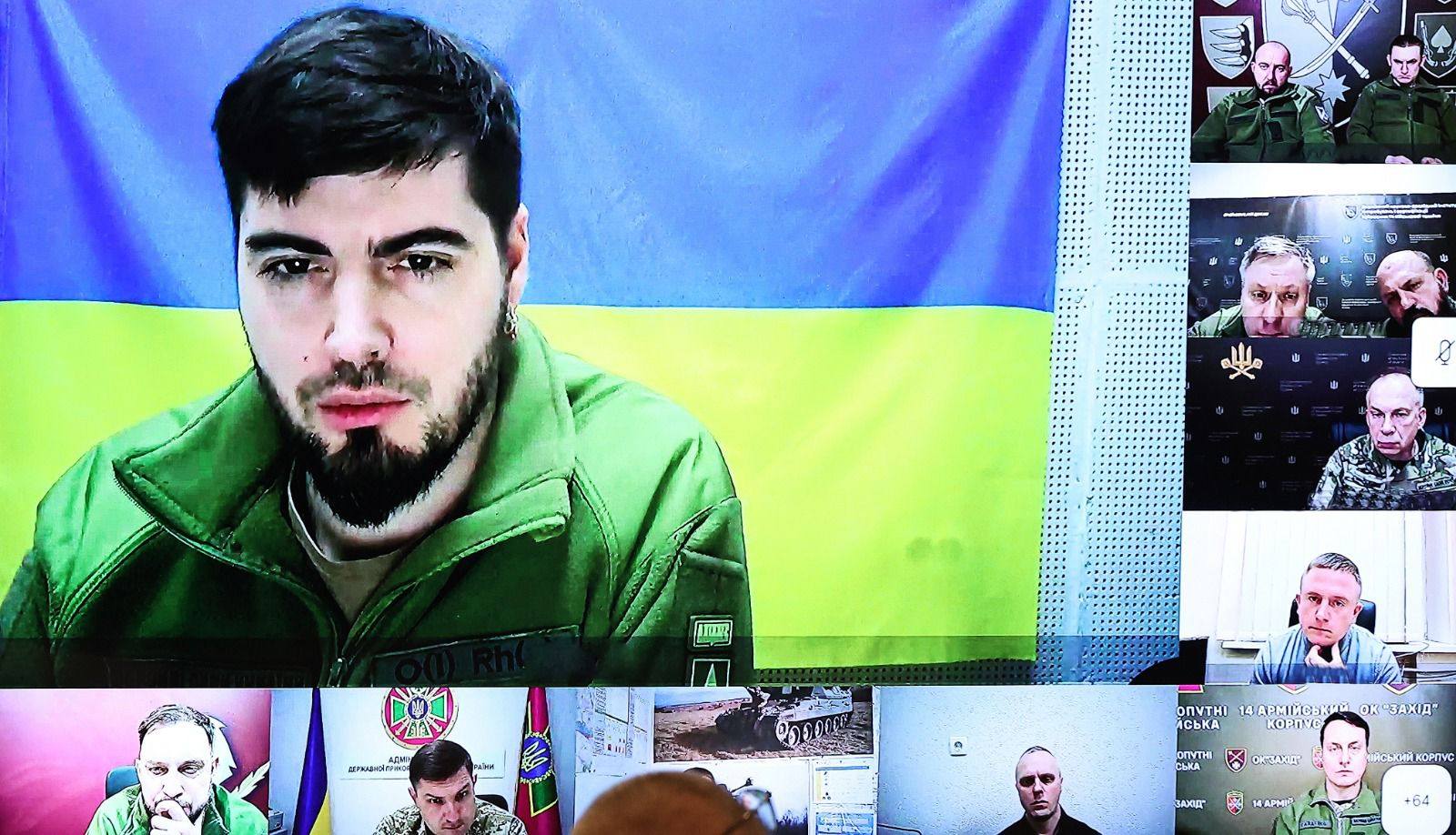
The commander-in-chief added that Ukraine is successfully developing its own line of fiber-optic controlled FPV drones. In a month, Ukrainian drones have struck about 4,200 positions of Russian drone pilots.
“In total, in February our drones hit more than 105,200 enemy targets. Of these, a quarter were accounted for by the Unmanned Systems Forces grouping of the Armed Forces of Ukraine,” the commander-in-chief said.
According to him, Ukraine’s Defense Forces continue to maintain an advantage in the use of multirotor FPV drones, although Russia has already gained the capacity to produce more than 19,000 FPV drones per day.
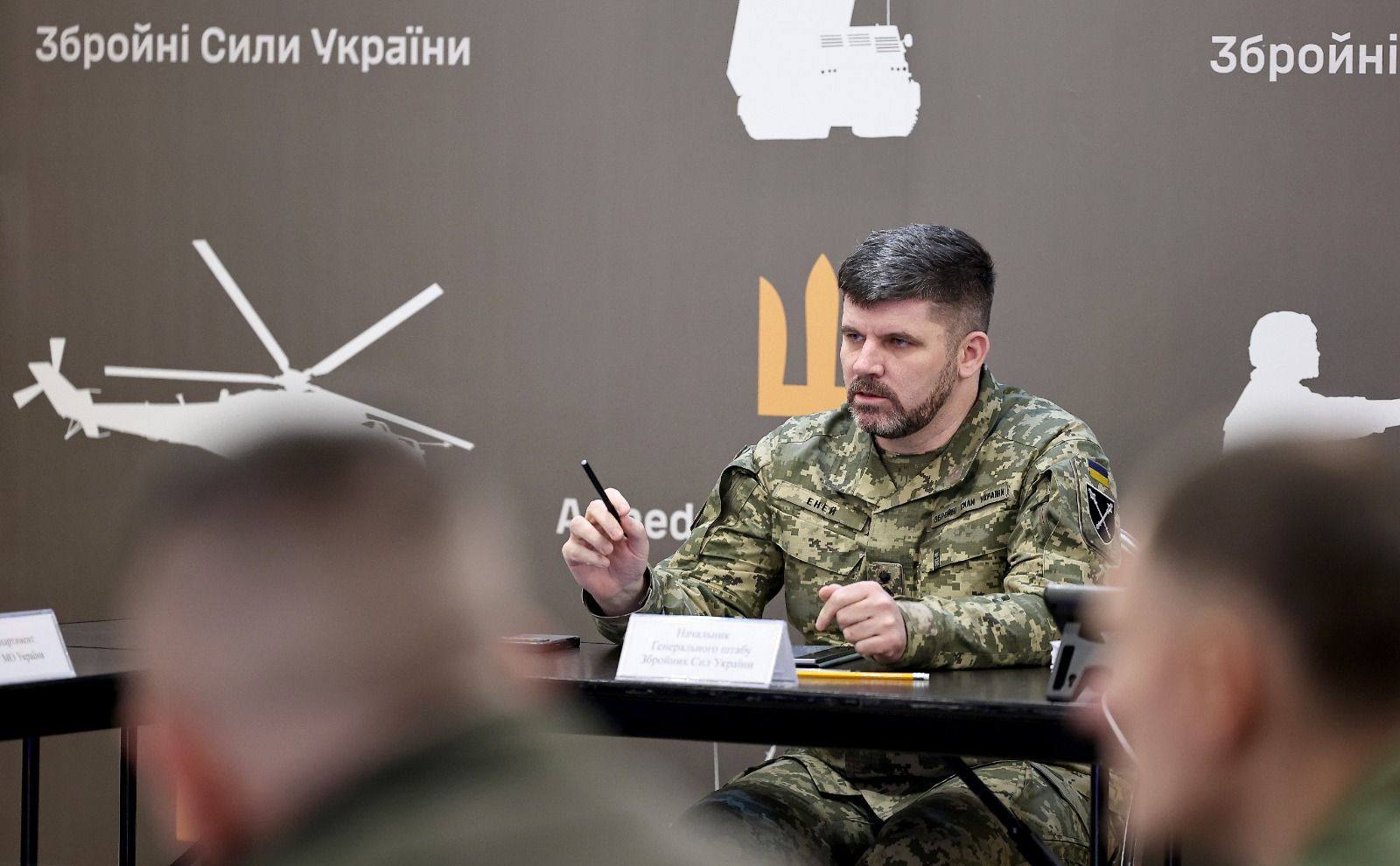
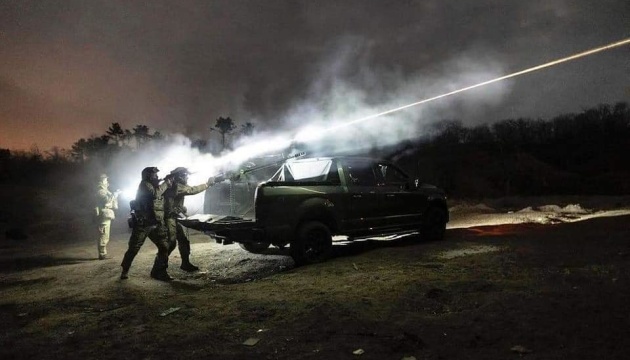
He also reported that UAV interceptor platoons are being created within units of the Armed Forces of Ukraine to counter strike drones. Their task is to destroy Russian FPV drones, quadcopters, and strike UAVs, as well as improve logistics for Ukrainian troops. Anti-drone rifles, electronic warfare systems, and net launchers are being used.
Syrskyi also emphasized the importance of developing ground robotic systems.
According to him, last month they carried out more than 2,300 missions—mostly logistical, but also engineering and combat tasks.