


Ukraine is systematically scaling up the use of “middle-strike” drones—combat unmanned aerial vehicles operating at an operational depth ranging from tens to hundreds of kilometers.
This segment fills a critical gap between FPV strikes on the front line and strategic deep-strike attacks deep inside Russian territory.
Middle-strike allows the destruction of targets that directly affect Russian forces’ ability to advance and defend: air defense systems, radars, warehouses, command posts, logistics hubs, and oil and energy infrastructure.
FPV drones have transformed the tactical level of warfare. Deep-strike drones and missiles hit strategic targets on Russian territory.
Middle-strike is an intermediate layer, enabling systematic attacks on targets located roughly 30 to 200 km from the front line.
It is at this depth that Russian forces maintain a significant portion of critical infrastructure supporting frontline operations: ammunition depots, command posts, supply routes, air defense systems, radars, and drone control stations. Striking these targets disrupts Russian forces’ ability to rapidly transfer resources and sustain offensive operations.
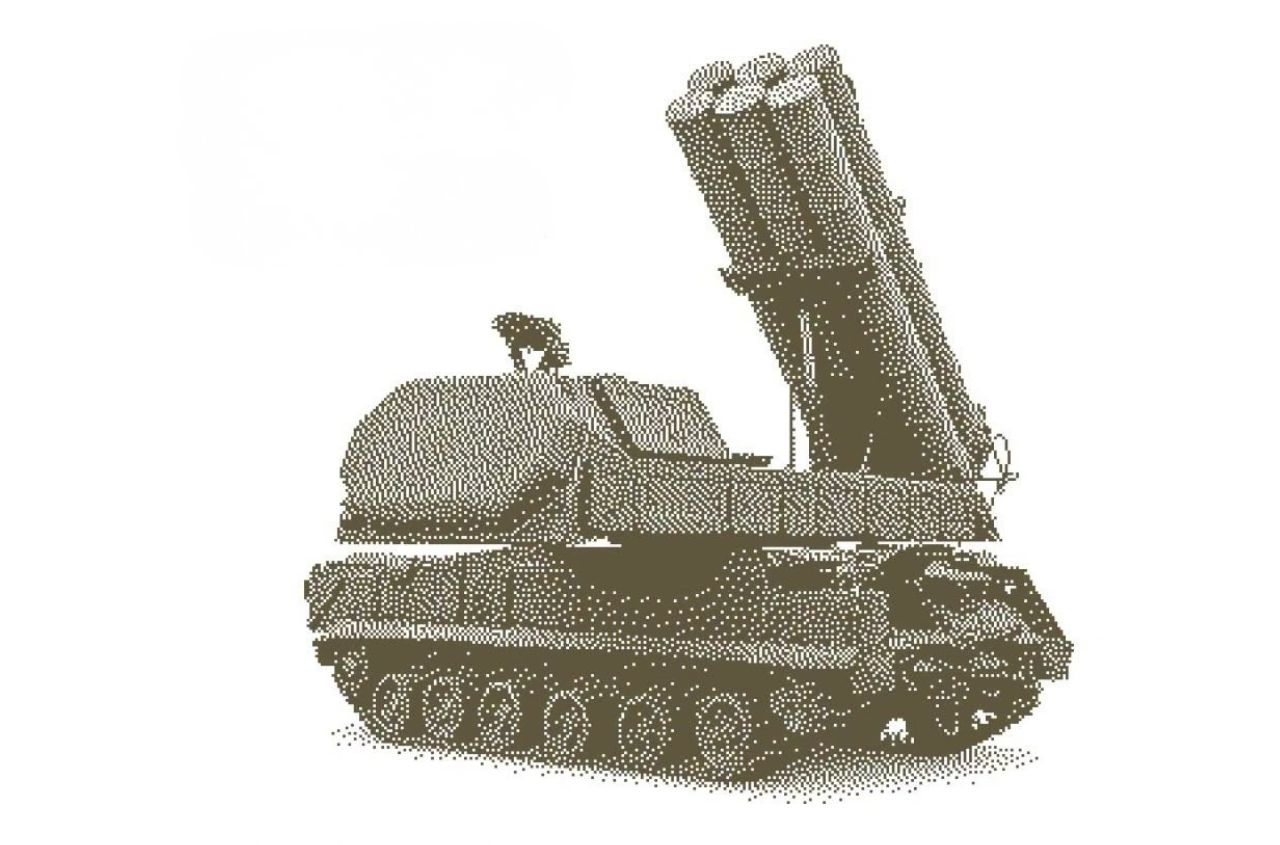
One of the main priorities of middle-strike operations is the destruction of Russian air defense systems and radars.
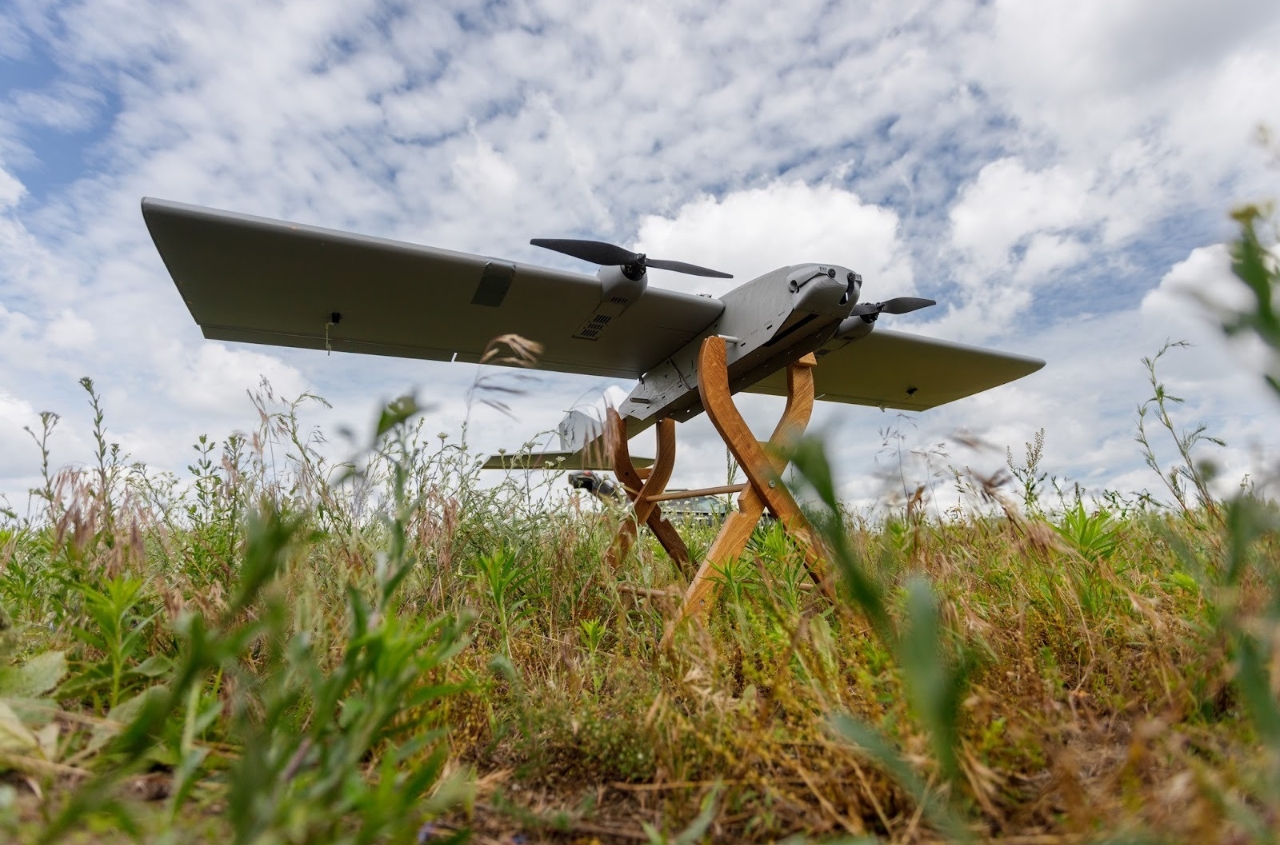
In 2026, Ukraine began systematically weakening Russian forces’ ability to defend their airspace. For example, in April, defense forces (including the Unmanned Systems Forces, the Security Service of Ukraine, and others) destroyed almost twice as many air defense and radar systems as in October of the previous year. According to the General Staff, since March 1, 2026, 81 Russian air defense systems have been confirmed neutralized. This gradually depletes Russian forces’ reserves and opens more opportunities for strikes deep in their territory. A key role in this effort is played by middle-strike drones, including FP-2, Hornet, and Bulava. In the final kilometers of flight, such systems can operate autonomously: scanning terrain and identifying targets on their own. Their operational range reaches up to 200 km behind the front line.
This significantly changes the situation. When Russian forces’ air defenses lose radars, launch systems, and protective layers, their ability to detect aerial threats and respond quickly is reduced. This creates space for further strikes—both middle-strike and deep-strike operations.
A separate focus is temporarily occupied Crimea. Ukrainian defense forces are systematically targeting Russian forces’ air defense systems on the peninsula. Since the beginning of the year, 12 “Pantsir” air defense and gun systems of various modifications have been hit in Crimea.
This is significant because “Pantsir” systems are a key component protecting military facilities, airfields, warehouses, and command posts. Their destruction weakens Russian forces’ defensive network and opens the path toward further isolation of the peninsula.
In addition, strikes have targeted hangars, radars, S-400 systems, and UAV control systems.
These operations have a cumulative effect: Russian forces are losing not only individual pieces of equipment but entire elements of their command, surveillance, and defense system.
Middle-strike operations are not limited to Crimea. Similar actions are taking place in other temporarily occupied regions and in Russia’s border areas. Systematic degradation of Russian forces’ air defenses and logistics creates conditions for deeper strikes. One notable result has been successful hits near Moscow.
In particular, Ukrainian defense forces struck the Moscow Oil Refinery, the “Solnechnogorskaya” and “Volodarskaya” oil pumping stations, as well as the “Angstrem” semiconductor plant in Zelenograd near Moscow.
This operation is especially significant because Moscow and the Moscow region are among the most heavily defended areas in Russia. The high density of air defense systems makes targets in this region difficult to hit.
However, the results demonstrate that there are no longer fully safe zones for Russian forces’ military infrastructure. Ukraine is systematically destroying air defenses, logistics, and support facilities, and the depth of strikes is gradually increasing.
Middle-strike is increasingly becoming a key tool in the war, offering several advantages at once.
- flexibility: drones can be quickly adapted to specific targets, electronic warfare conditions, and frontline needs.
- scale: these systems are cheaper than traditional missile systems and can be produced in larger quantities.
- systemic effect: middle-strike enables daily pressure on infrastructure supporting Russian forces.
- impact on deep-strike: by destroying Russian forces’ air defenses at operational depth, Ukraine opens more opportunities for strategic strikes.
Flexibility and operator safety
Another advantage is operational flexibility and safety for drone operators.
These systems are not tied to a fixed launch location and can be deployed from various positions depending on the mission and threat level.
They also allow rapid redeployment: units can prepare a system, complete a mission, and relocate quickly, reducing risk to personnel.
Training is relatively adaptable, allowing operators to quickly learn procedures and share effective practices across units.
Expansion of contracts and production
Ukraine is scaling up middle-strike capabilities. This year, five times more middle-strike systems have already been contracted compared to last year, and production is expected to grow further.
International partners are also increasing support.
Germany will allocate $600 million for the development of Ukrainian deep-strike and middle-strike capabilities. Under the “Build with Ukraine” initiative, joint production of middle-strike drones using artificial intelligence components is being launched. In the first phase, several thousand drones are planned for production for the Armed Forces. Another important direction is cooperation with Norway, where Ukraine and Norway are establishing the first joint production of Ukrainian drones, with plans to manufacture several thousand middle-strike drones on Norwegian territory.
This is presented as a win-win partnership: Ukraine scales production and strengthens its battlefield capabilities, while partners gain access to combat-tested technologies and experience.
Ukraine continues to call on partners to invest in priority capabilities: air defense, Ukrainian drones and missiles, middle-strike and deep-strike systems, and long-range munitions—capabilities it argues are essential to strengthening its position and eventually ending the war.