


The State Security Department of Lithuania and military intelligence have concluded that Minsk will remain a loyal partner of the Kremlin on the borders of the Baltic region and does not plan to change its strategic course. According to the Director of the Lithuanian State Security Department, Remigijus Bridikis, the Republic of Belarus does not intend to turn away from the Russian Federation, abandon its current authoritarian regime, or revise its aggressive policy toward neighboring states, as reported by LRT.
The head of the Lithuanian intelligence service made this statement in Vilnius during a session of the NATO Parliamentary Assembly’s Committee on Democracy and Security, held in the Seimas of Lithuania.
He said that even if Belarusian self-proclaimed President Alexander Lukashenko publicly shows interest in improving relations with Western countries, he is unlikely to have any real intention of breaking the close alliance with Russia or implementing democratic reforms at home.
On the contrary, Minsk continues to take consistent hostile actions toward Lithuania and other Baltic neighbors, including politically motivated detentions of Lithuanian citizens and the use of pressure and intimidation tactics.
The Lithuanian intelligence chief stressed that the Minsk regime arbitrarily detains Lithuanian citizens, while Belarusian citizens are being imprisoned en masse for reading publications labeled as “extremist” by the authorities. He added that Lithuania sees no positive changes in Minsk’s behavior and believes Belarus will continue to exploit any opportunities to exert pressure on neighboring states for its own interests.
The same assessment—that Minsk will remain a loyal partner of the Kremlin at the Baltic borders—was further elaborated by another participant in the discussion in the Seimas, Juozas Katinas, deputy director of the Second Department of Operational Services representing Lithuanian military intelligence.
He emphasized that Belarus’s military independence from Russia is rapidly shrinking. This integration into Moscow’s defense sphere has become especially evident after Belarus officially aligned itself with Russian military doctrine, which defines the Western world as the main security threat.
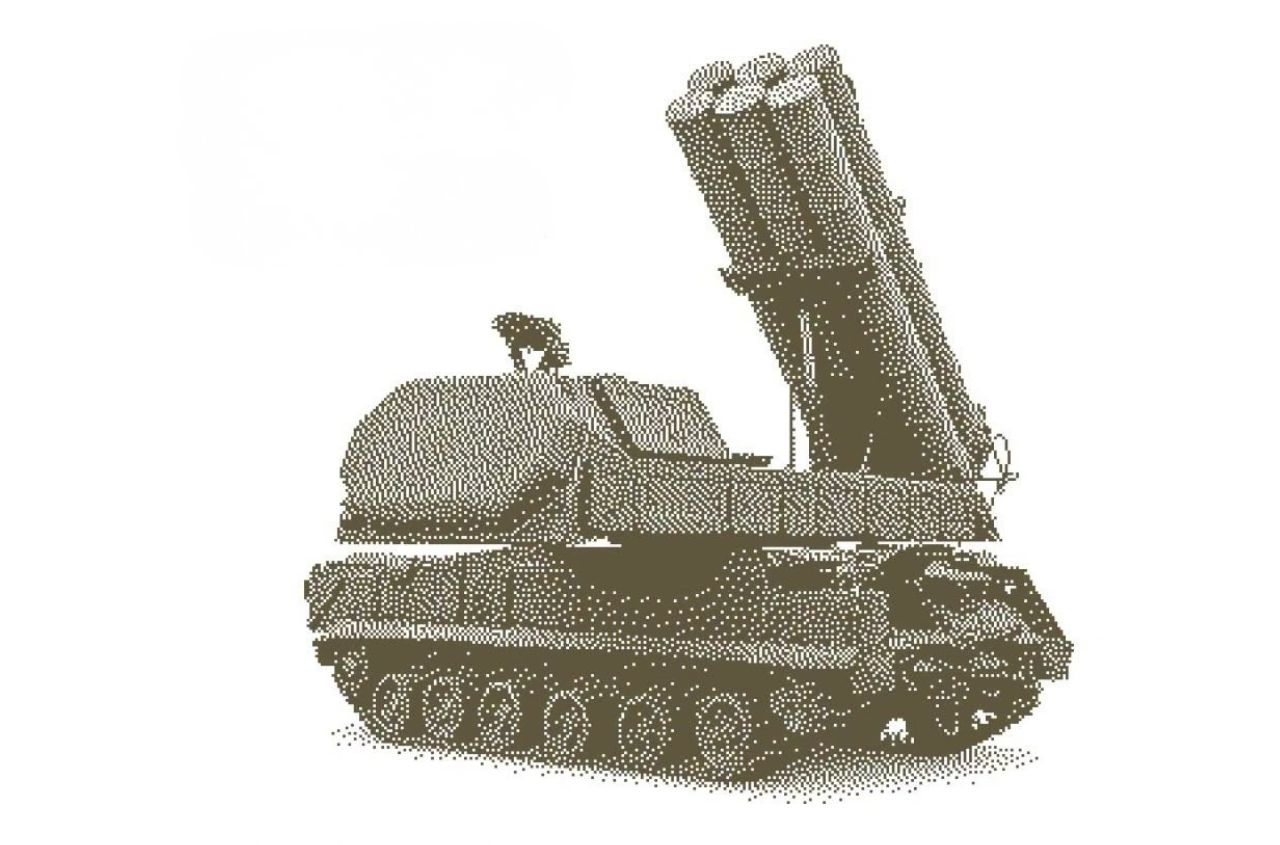
The military intelligence representative stated that Russian military bases, early warning systems, and air defense assets are permanently deployed on Belarusian territory. Belarus also provides its territory and infrastructure for Russian drone operations against Ukraine, and Russian combat aircraft are regularly stationed at Belarusian airfields for operations related to the war in Ukraine. In addition, Belarus has deployed Russian tactical nuclear weapons on its territory, which, according to Lithuania, is effectively equivalent to nuclear proliferation.
He added that Russian forces currently enjoy almost unrestricted access across Belarusian territory, concluding that without Belarusian support, Russia’s full-scale war against Ukraine would have been significantly more difficult, if not impossible.
These statements come amid diplomatic discussions within the Western alliance. Earlier, after Alexander Lukashenko released some political prisoners and allowed Lithuanian trucks previously held in Belarus to leave the country, U.S. special envoy for Belarus John Coale called on Vilnius to consider partially restoring bilateral relations with Minsk, including talks on resuming transit of Belarusian potash exports through Lithuanian ports and railways.
However, Lithuania’s security services maintain a firm stance, viewing such steps as tactical maneuvers aimed at masking Minsk’s long-term alignment with Moscow.
It is recalled that Lithuania, together with the European Union, imposed extensive sanctions on the Belarusian regime following the disputed 2020 presidential election, which Western countries and the Belarusian opposition declared fraudulent. The sanctions were introduced in response to the large-scale repression of peaceful protests.
Lithuanian intelligence remains convinced that despite sanctions and occasional diplomatic gestures, Minsk will continue to function as a key military and political outpost of Russia directly on NATO’s Baltic borders.