

Moscow is turning the Sahel into a springboard for geopolitical influence. According to an investigation by the French organization Forbidden Stories, the operations are carried out by a proxy network called The Company, linked to the Russian Foreign Intelligence Service (SVR).
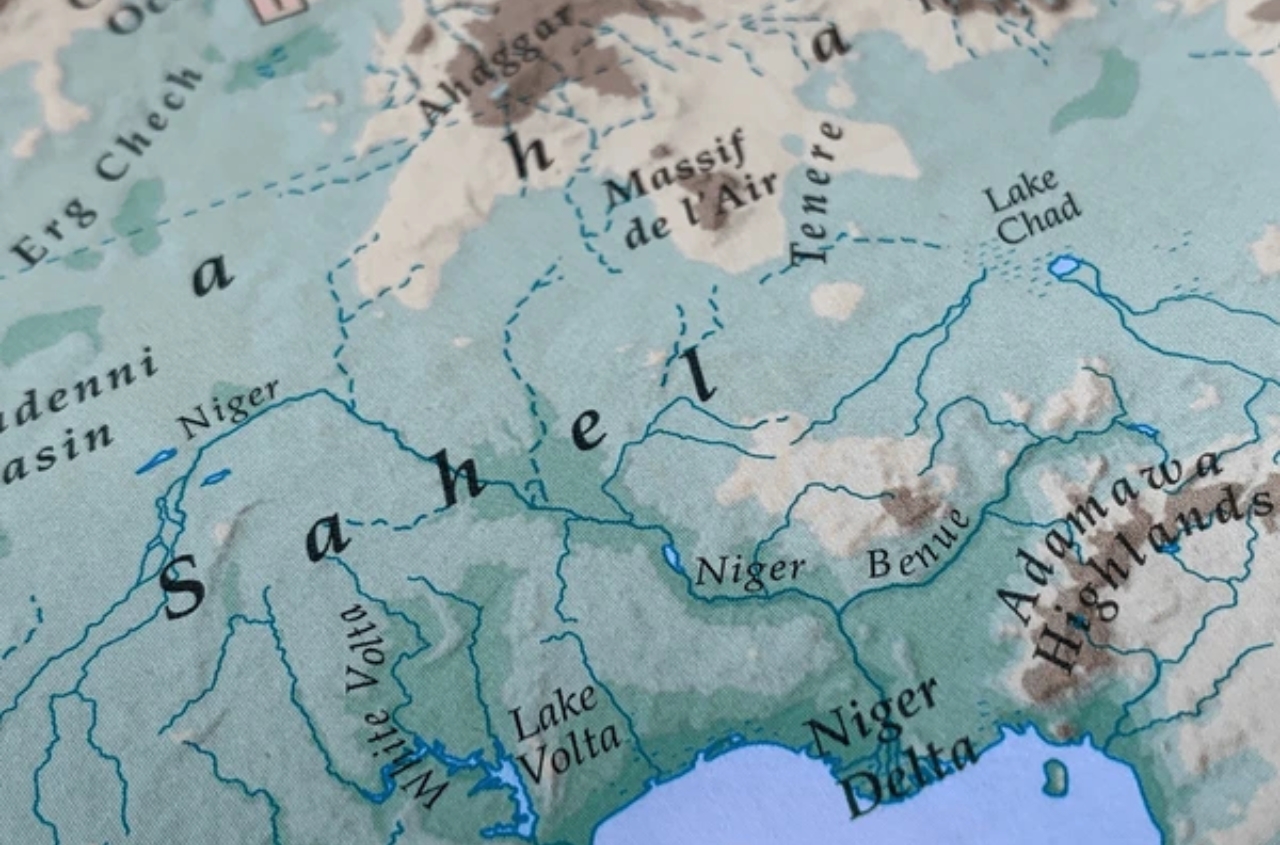
The ultimate goal is to create an anti-Western belt from Guinea on the Atlantic to Sudan on the Red Sea, encompassing Mali, Burkina Faso, Niger, Chad, Senegal, and Togo.
From June to October 2024 alone, the network recruited 11 agents and published over 700 commissioned materials, costing $250–700 per publication. Mali has been designated as a priority operational hub in the region.
A key tool is direct funding of media outlets in exchange for content that mimics independent journalism. In November 2024, a journalist from the Central African Republic, E. Yalike, exposed a payment scheme—about $52 per article—and after refusing to cooperate, received threats and was forced to leave the country. In March 2025, Chad’s judicial police detained Radio France Internationale correspondent O. Monodji and three local colleagues for publishing paid content ($87–350 per article). By July, the case was closed, with the actions classified as a “good-faith mistake” resulting from manipulation by Russian handlers.
At the same time, the network funds the recruitment of local opinion leaders and officials. In Togo, contacts with local figures cost nearly $5,500—shortly afterward, the country signed a military agreement with Russia on personnel training and access to port infrastructure. Operations are masked by structures like the “Russian House,” operating under the guise of cultural exchange.
The narrative dissemination strategy has multiple levels: initial placement in affiliated media; amplification via bots and loyal social media accounts; creation of an illusion of public support; and legitimation in political discourse.
The next stage is to expand this model to coastal West African countries with access to key logistics hubs. Early signs of resistance are already appearing: Angola has announced increased measures to counter large-scale disinformation campaigns.