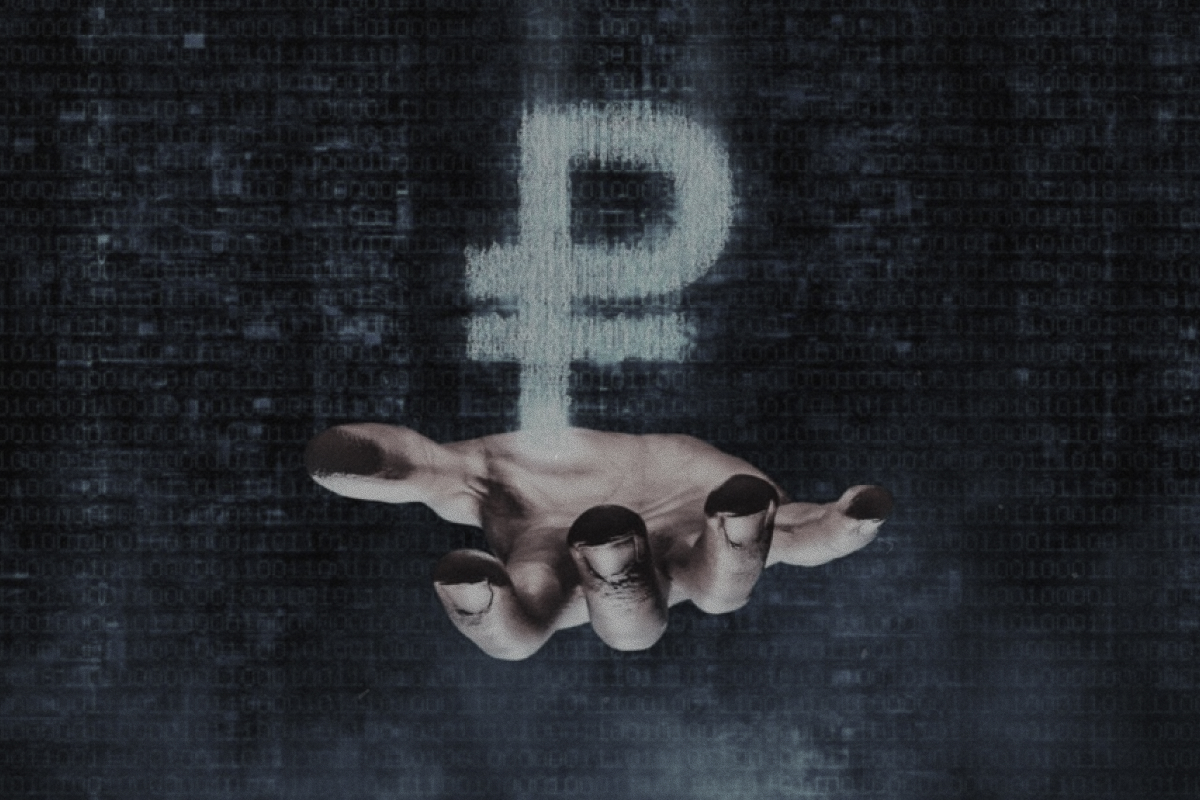


The Russian economy ended Q1 2026 in contraction, dragging Belarus down with it.
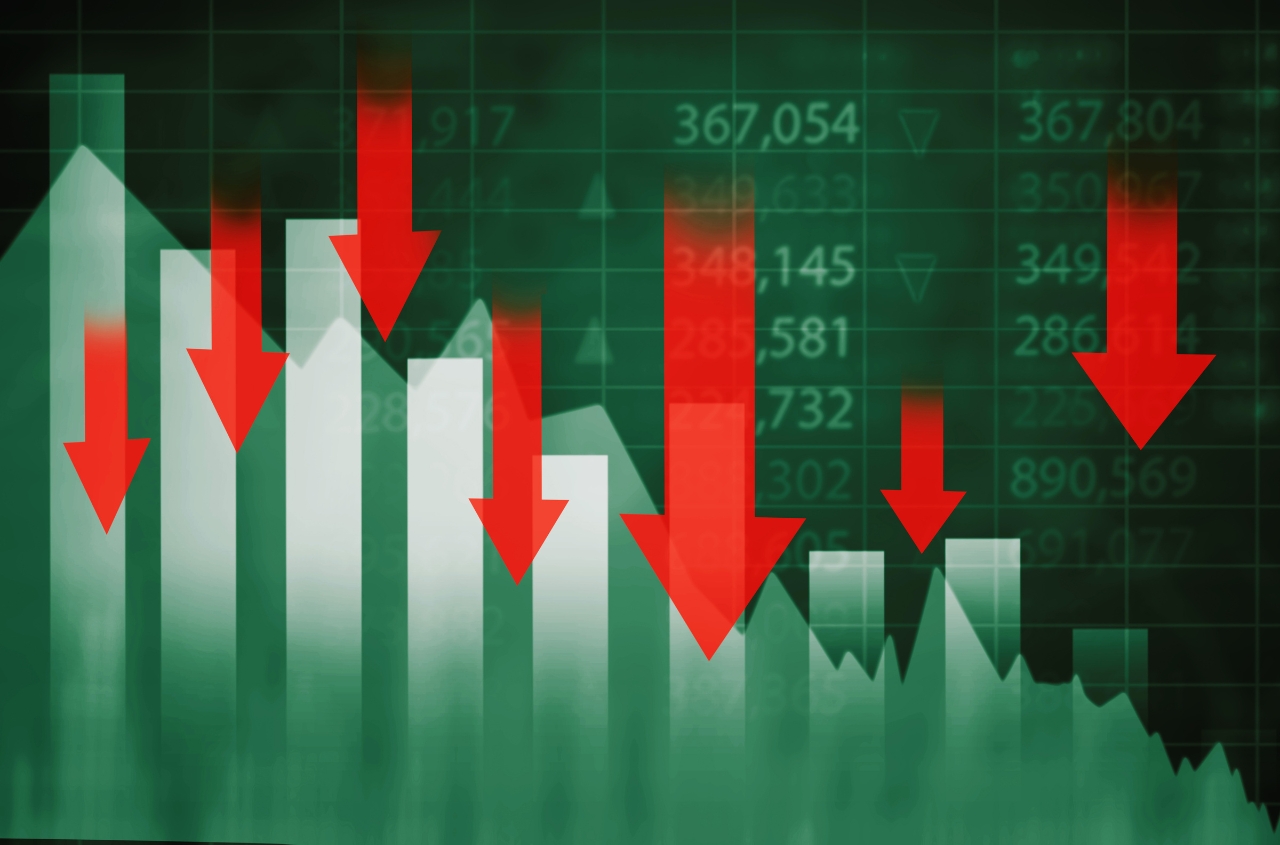
By the end of the first quarter, the Belarusian economy shrank by 0.4%, while the Russian economy declined by 0.3%. Both countries had entered 2026 with optimistic forecasts: Minsk expected 2.8% growth, while Moscow projected 1.3%. The first quarter effectively wiped out those expectations.
The situation was worsened by the Russian monetary authorities’ fight against inflation. The Central Bank of Russia raised the key interest rate, which sharply increased the cost of credit for businesses and industry. The result was a slowdown in production in an already weak economy.
Since Belarus is closely tied to the Russian market, it is experiencing the crisis alongside its neighbor — without any independent ability to escape it. The ambitious five-year growth plan of 15% now looks unrealistic. Instead, the country is facing stagflation: economic decline combined with rising prices.
This combination is already affecting Belarusian consumers. Over the past year, a Polish grocery basket was only about 8% more expensive than a Belarusian one, whereas a few years ago the gap was around 30%. If this trend continues, Belarusian stores could become more expensive than Polish ones.
Notably, even the end of the war would not bring Russia rapid economic recovery, as its structural problems are too deep. For Belarus, the consequences could be even more severe: while Russia has been “supporting” the Belarusian economy during the war, afterward it is likely to seek gains from it — primarily through human capital and market share, pushing out local businesses in favor of Russian companies.