


The Ukrainian defense company Fire Point can manufacture about 200 drones per day and, if needed, has the capacity to double or triple this output.
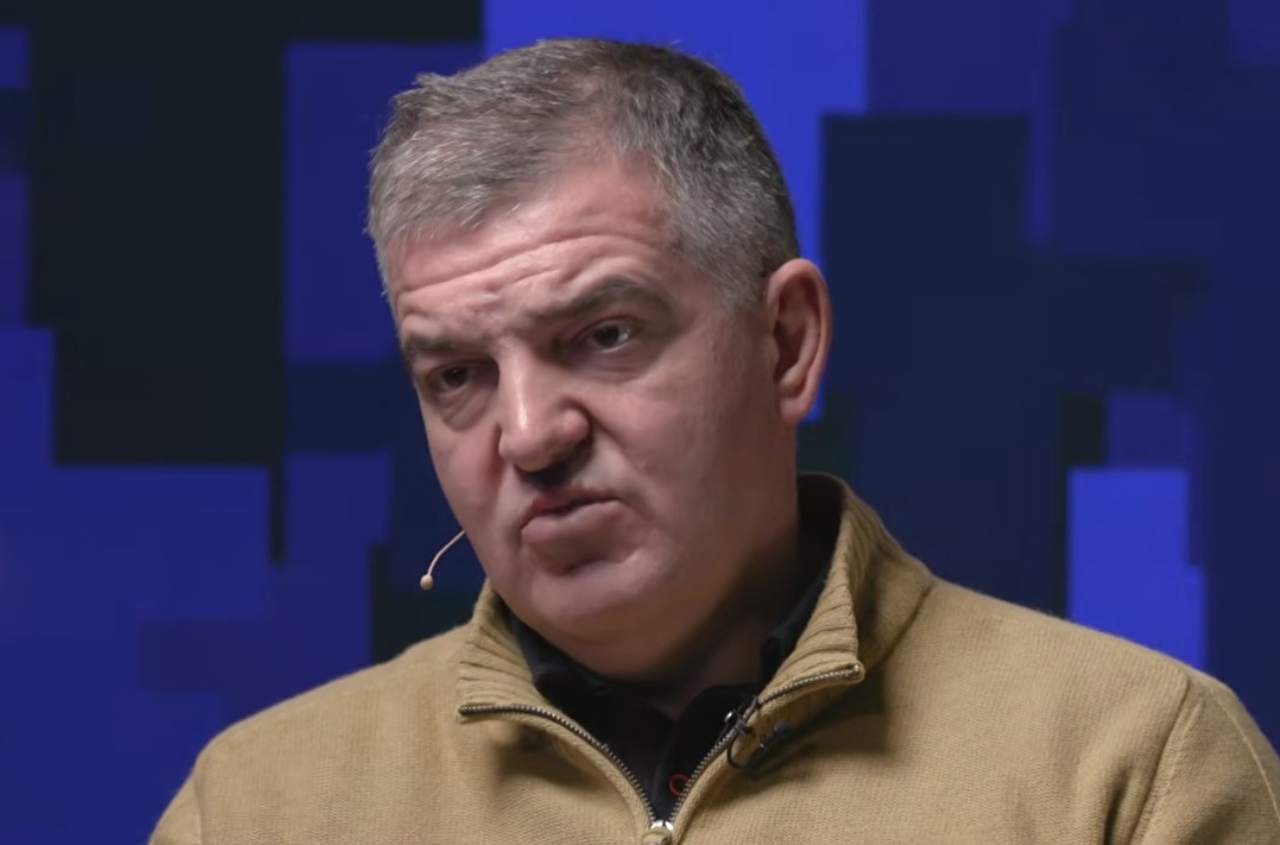
This was stated in an interview with Army TV by Fire Point’s chief designer and co-founder, Denys Shtilerman.
According to Shtilerman, the company’s production is distributed across Ukraine. It operates at more than 500 sites, covering a total area of approximately 200,000 square meters.
All production processes are duplicated: if one workshop is destroyed, employees can move to a backup facility the very next day and continue working without losing pace.
The company has also started producing engines for its aircraft independently, as foreign suppliers were unable to meet the necessary production growth rates.
Fire Point does not consider relocating production outside Ukraine. According to the company’s head, this is hindered by bureaucracy, strict environmental regulations, and slow procedures in partner countries that operate at a “peacetime pace.”
In Ukraine, he says, the state has maximally simplified bureaucratic procedures for the defense industry.
The company also rejected the idea of building underground factories, as their construction would be easily detectable, and in the event of a strike, there is a risk of total destruction.
Instead of mass-producing FPV drones, Fire Point is focusing on large long-range strike systems (Deep Strike). According to Shtilerman, this market has a higher entry threshold and significantly less competition.
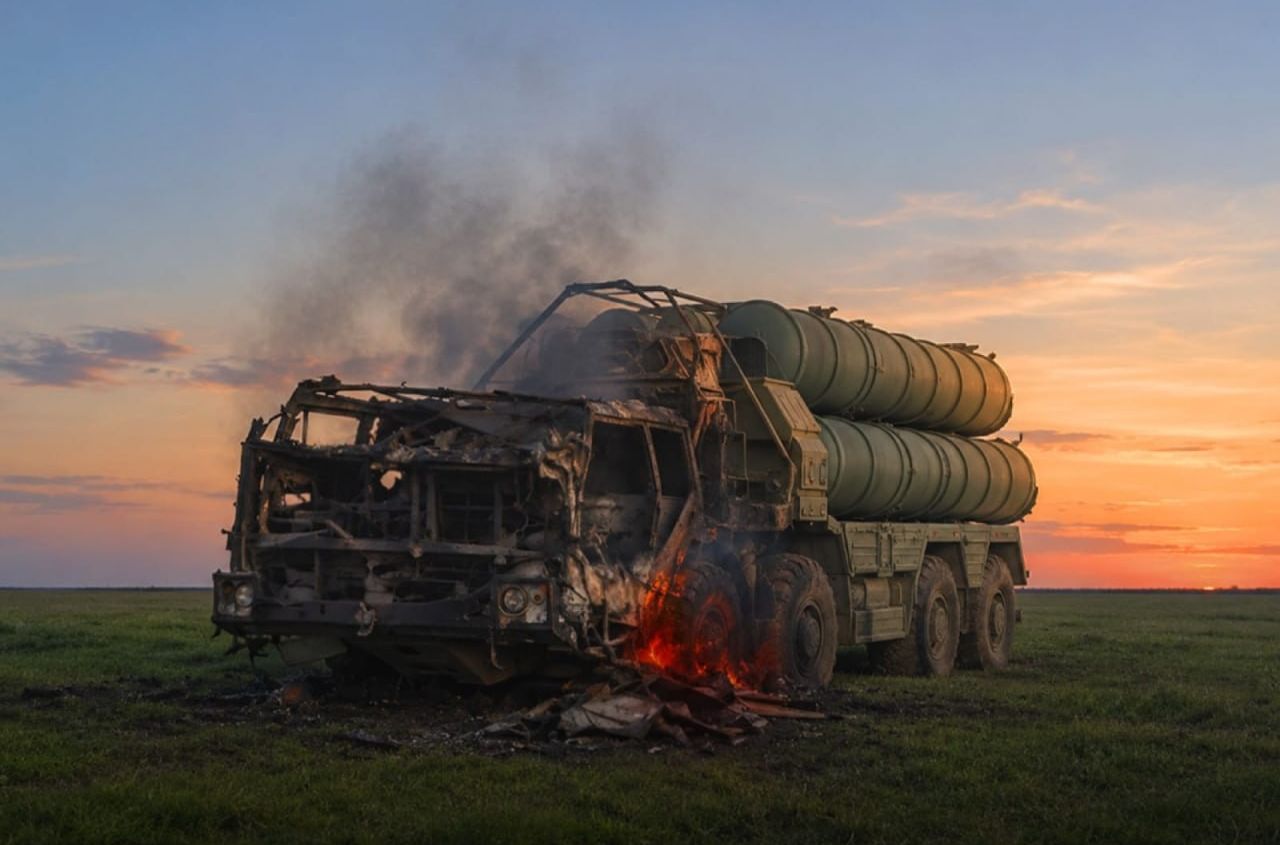
Another area of the company’s work is missile defense. Fire Point has developed its own interceptor missile by modifying certain components from the S-300 system — including the engine, the fourth stage, and the flight controller.
These developments are planned for use within the “Freya” initiative, which aims to create a pan-European ballistic shield. The idea is to integrate Ukrainian interceptors with European radars and control systems.
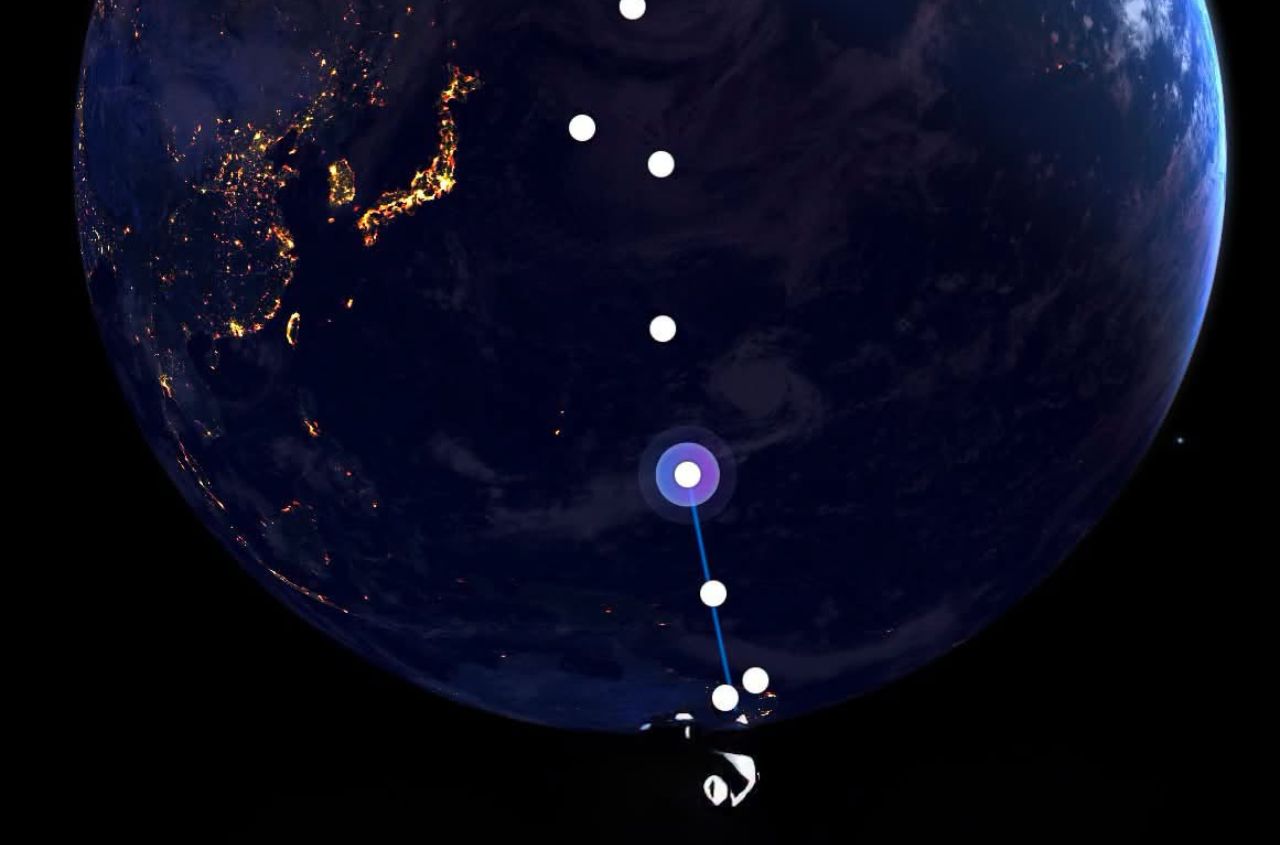
Fire Point also offers European partners the opportunity to train missile defense systems using test launches of Ukrainian ballistic missiles, as their trajectories are predictable and convenient for system training, unlike Russian missiles.