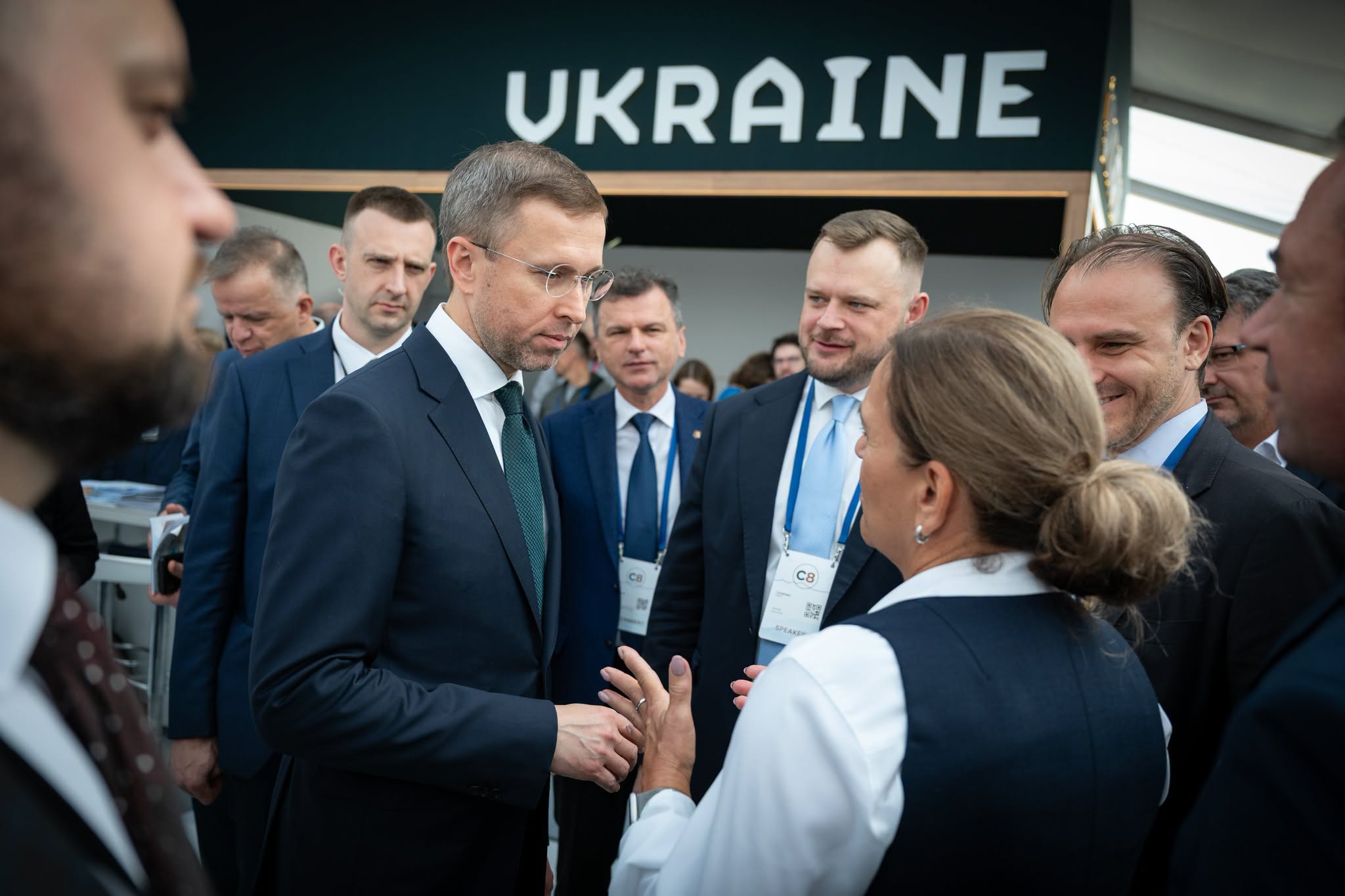


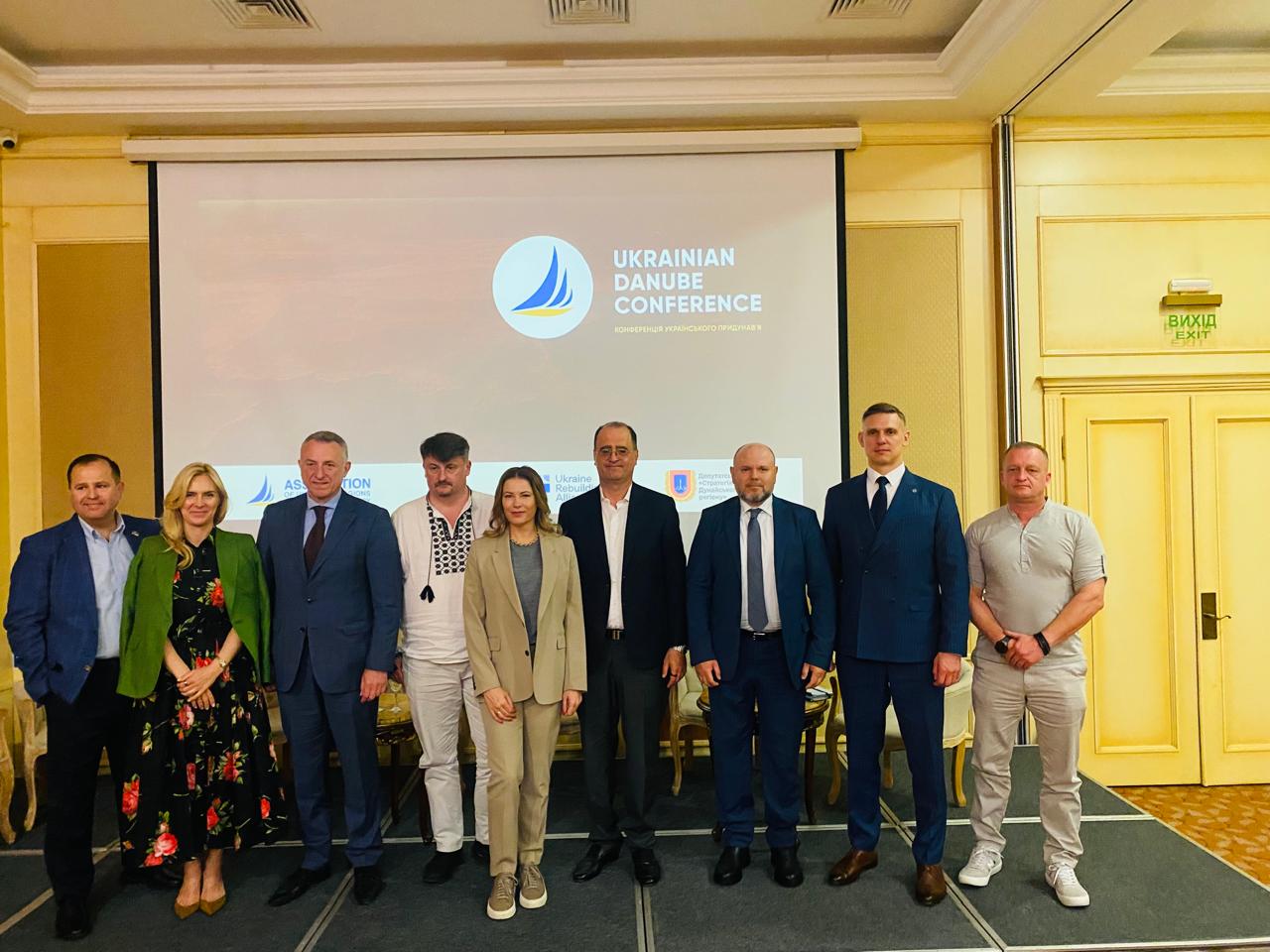

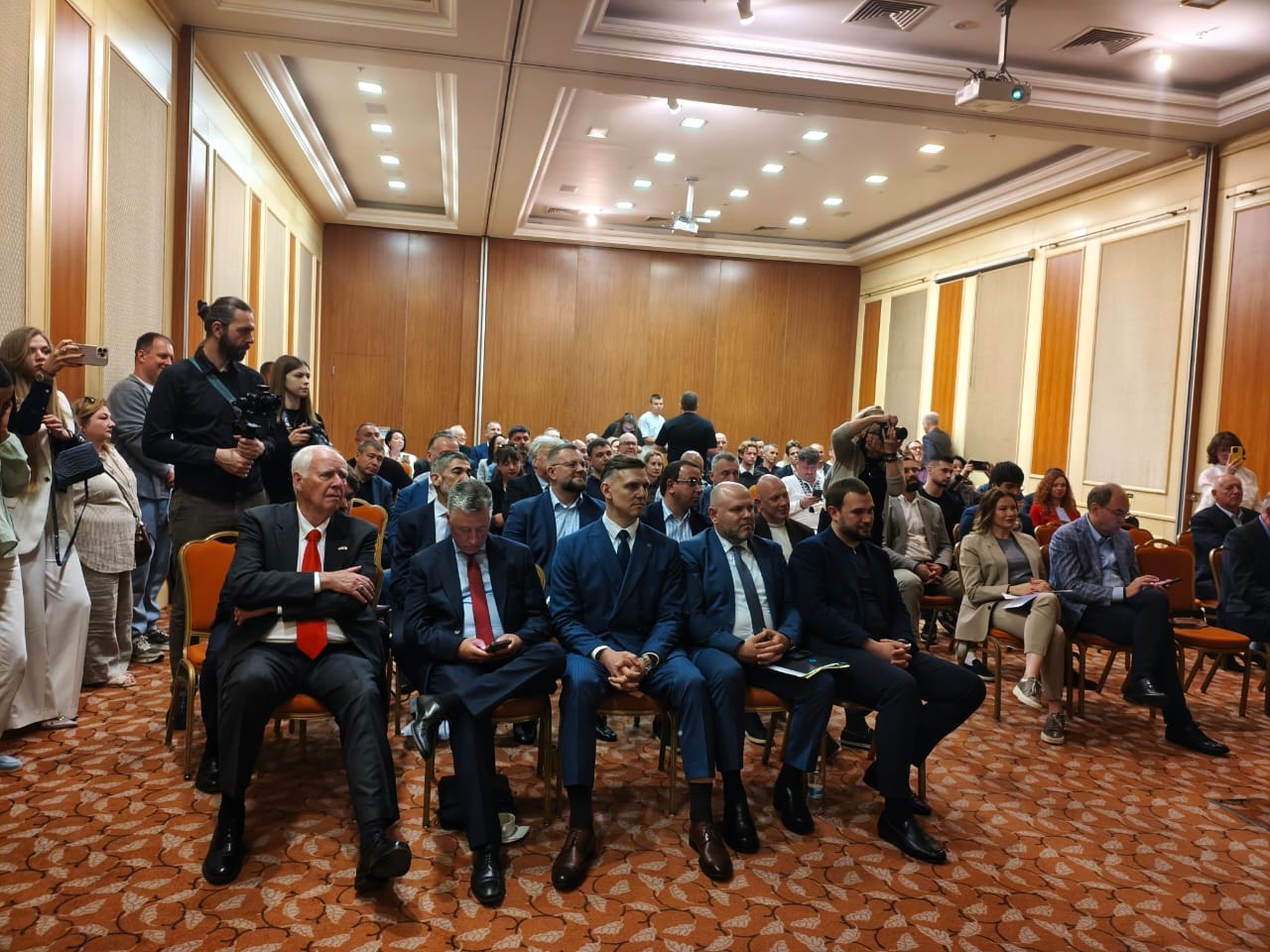
The Deputy Minister for Communities and Territories Development of Ukraine, Andrii Kashuba, spoke at the Ukrainian Danube Conference, which was held in Odessa. The event brought together representatives of government authorities, business, the expert community, and international partners to discuss the strategic future of the Ukrainian Danube region.
In his speech, Andrii Kashuba emphasized the strategic importance of the Danube for both Ukraine and Europe. He stressed that the development of the Danube region is one of the priorities of the Ministry, and that the efficient functioning of Danube water logistics is a key factor in national security. The Danube River, as part of the international inland waterway E-80, integrates Ukraine into the European transport corridor system and plays a crucial role in ensuring both exports and imports.
The Deputy Minister also highlighted the experience of the full-scale war. Due to the blockade of most seaports in 2022, cargo flows were redirected to Danube ports, which were able to handle both import-export operations and humanitarian shipments. Thanks to a set of measures by the Ministry, cargo transshipment in Danube ports increased sixfold compared to the pre-war period, and their throughput capacity reached 35 million tons per year in 2023.
At the same time, Kashuba outlined current challenges: after the resumption of operations at the Odessa region ports, cargo flow through the Danube region significantly decreased—from 17.4 million tons in 2024 to 8.9 million tons in 2025, with a forecast of around 5 million tons in 2026. According to him, without state support, Danube ports cannot fully compete, creating risks of downtime, job losses, and weakening of the regional economy.
Among the key solutions proposed by the Ministry are unified management of Danube ports, a financial model allowing at least 30% of available state enterprise funds to be reinvested into modernization, targeted tariff incentives, and logistical support, including rail transport discounts to the ports of Reni and Izmail.
“It is also important to focus on the creation of industrial parks in the Danube region as a tool for attracting investment and development. We must make maximum use of existing available land plots to create added value and attract additional cargo volumes. The current legislation provides all necessary opportunities for this,” Kashuba emphasized.
Special attention was given to the prospects of integrating the Ukrainian section of the Danube into the TEN-T network. Kashuba noted that including the entire Ukrainian stretch of the river in the TEN-T maps would open access to EU financial instruments, support infrastructure development, and increase inland water transport in line with the Green Deal policy.
Additionally, he outlined other Ministry initiatives, including strengthening air defense in the region, improving port energy resilience, and implementing international support projects. In particular, under the RELINC project, Danube ports are expected to receive port fleet equipment, protective structures, and machinery worth $35 million with the support of international financial institutions.