

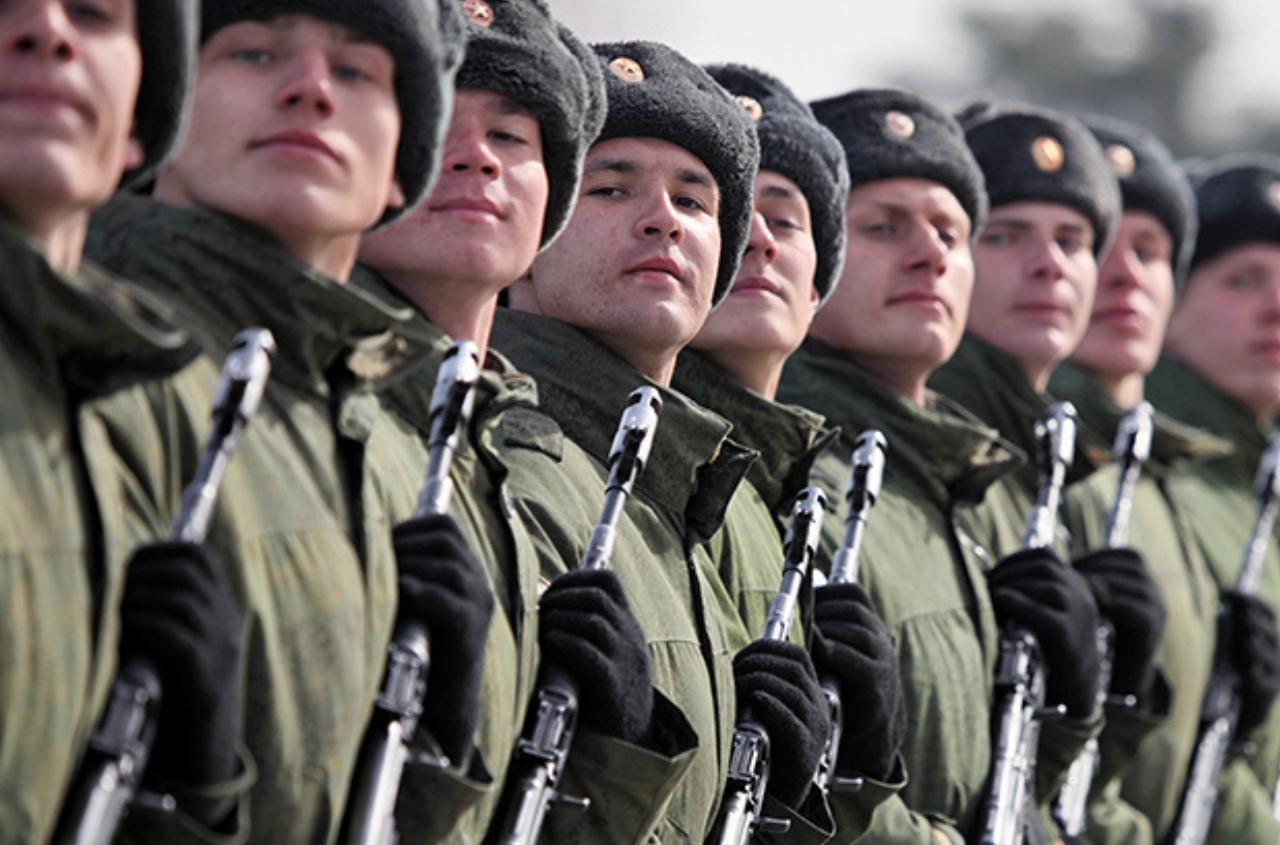

Russian army losses by the end of the fourth year of the war in Ukraine have reached 1.198 million personnel, according to the annual report by experts at the Washington-based Center for Strategic and International Studies (CSIS).
In 2025 alone, Russian forces lost 425,000 personnel killed or wounded, averaging about 35,000 per month. Of the total losses since the start of the war, up to 315,000 were killed, roughly equivalent to the populations of cities like Smolensk, Belgorod, or Chita.
“TRussian forces have suffered approximately 1.2 million casualties (killed, wounded, and missing) and as many as 325,000 killed since February 2022. No major power has suffered anywhere near these numbers of casualties or fatalities in any war since World War II,” the CSIS analysts write.
For comparison, the United States lost 54,400 soldiers in the Korean War, 47,300 in Vietnam, and only 2,400 during operations in Afghanistan.
In Ukraine, the Russian army has lost 17 times more soldiers than the Soviet army did in Afghanistan, 11 times more than in both Chechen wars, and 5 times more than in all wars involving Russia and the USSR since 1945.
Ukrainian Armed Forces losses are estimated at 500,000–600,000 personnel, including up to 140,000 killed, according to CSIS. The combined losses of both armies have reached 1.8 million and are expected to approach 2 million by spring, the center predicts.
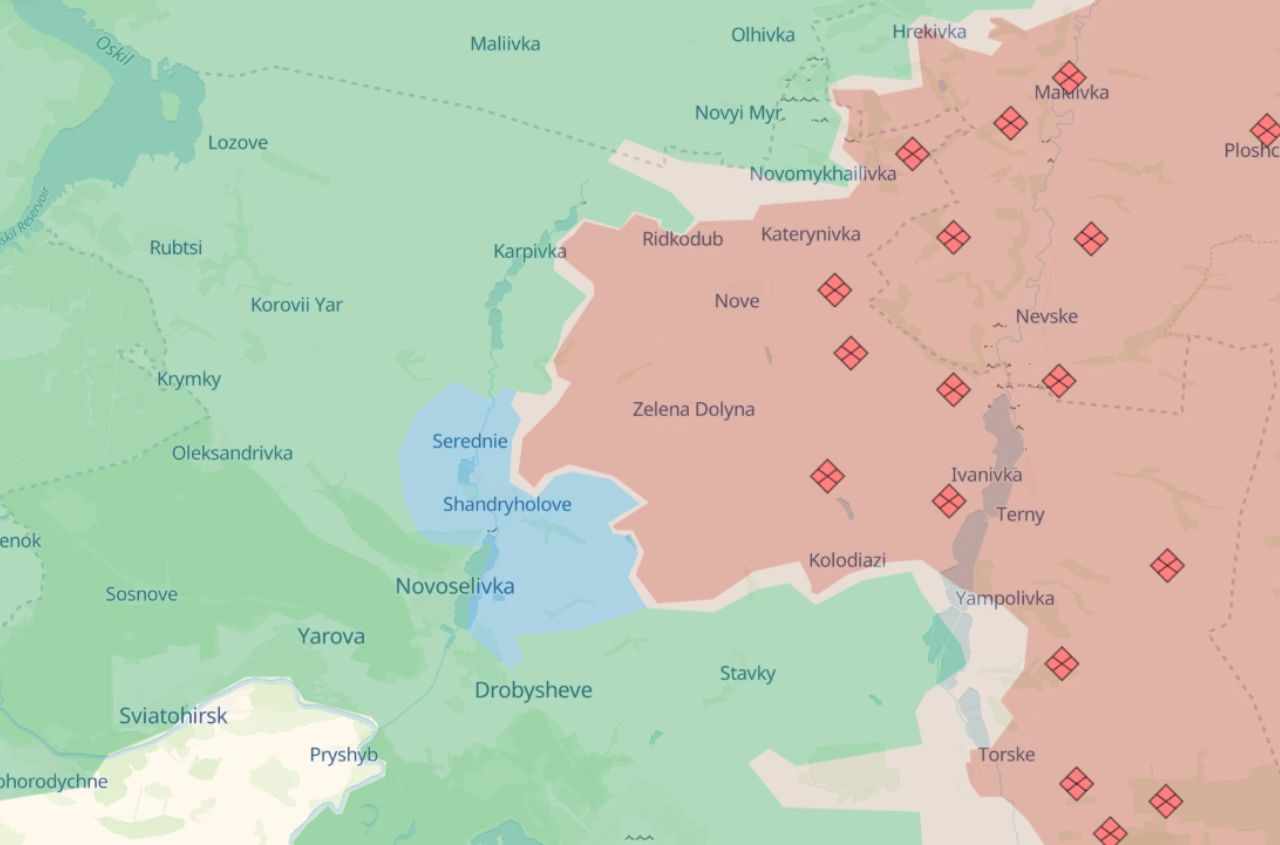
Despite these enormous losses over the past two years, Russian generals have managed to expand territory under their control by only 8,400 sq km: 0.6% of Ukraine’s territory was captured in 2024, and another 0.8% in 2025.
The pace of Russian advances has been even slower than during World War I. From Avdiivka to Chasiv Yar, between February 2024 and January 2026, Russian forces moved at a rate of 15 meters per day; the advance on Kupiansk, ongoing since November 2024, averaged 23 meters per day; and toward Pokrovsk—70 meters per day.
Russian forces have failed to regain control over all territories annexed after the 2022 “referendums.” Currently, they control 20% of Ukraine, or 120,000 sq km. During the military campaign itself, they captured 12% of Ukraine’s territory, or 75,000 sq km, CSIS calculated.
During the Great Patriotic War, the Red Army took 1,394 days from the start of Operation Barbarossa to reach Berlin. Russia, in the same time frame, barely reached Pokrovsk, located 500 km from Kyiv, CSIS analysts note.
High losses and slow territorial gains clearly indicate Russia’s weakening, says Seth Jones, head of CSIS’s Defense and Security department. Economic losses further confirm this: industrial production outside the military sector is declining, GDP growth last year was only 0.6%, and access to technology is cut off by sanctions.
“Despite claims of battlefield momentum in Ukraine, the data shows that Russia is paying an extraordinary price for minimal gains and is in decline as a major power,” Jones emphasizes. “While Russia still possesses nuclear weapons and a large military, it does not measure up as a great power in virtually any category of military, economic, or science and technology indicators.”