

The Council of Europe Development Bank has approved new measures to support Ukraine, including €120 million allocated for housing and small business development.
This was reported by Ukraine’s Ministry of Finance.
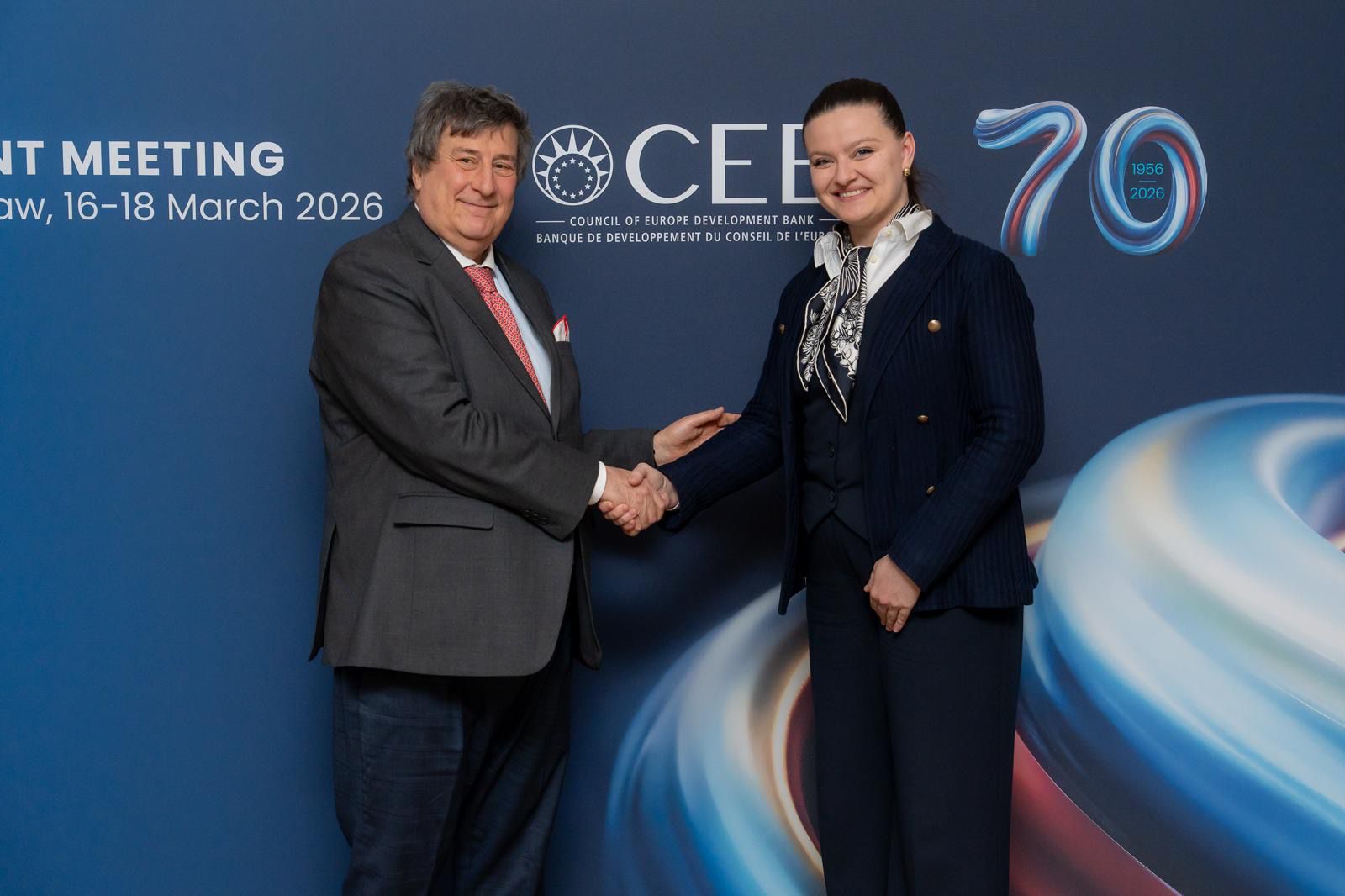
Ukraine’s Deputy Minister of Finance, Olha Zykova, took part in a joint meeting of the Administrative Council and the Governing Board of the Council of Europe Development Bank (CEB) as the country’s official representative. The meeting focused on reviewing the Bank’s activities and its social impact across Europe. The CEB also re-elected its Governor, Carlo Monticelli, for a second five-year term.
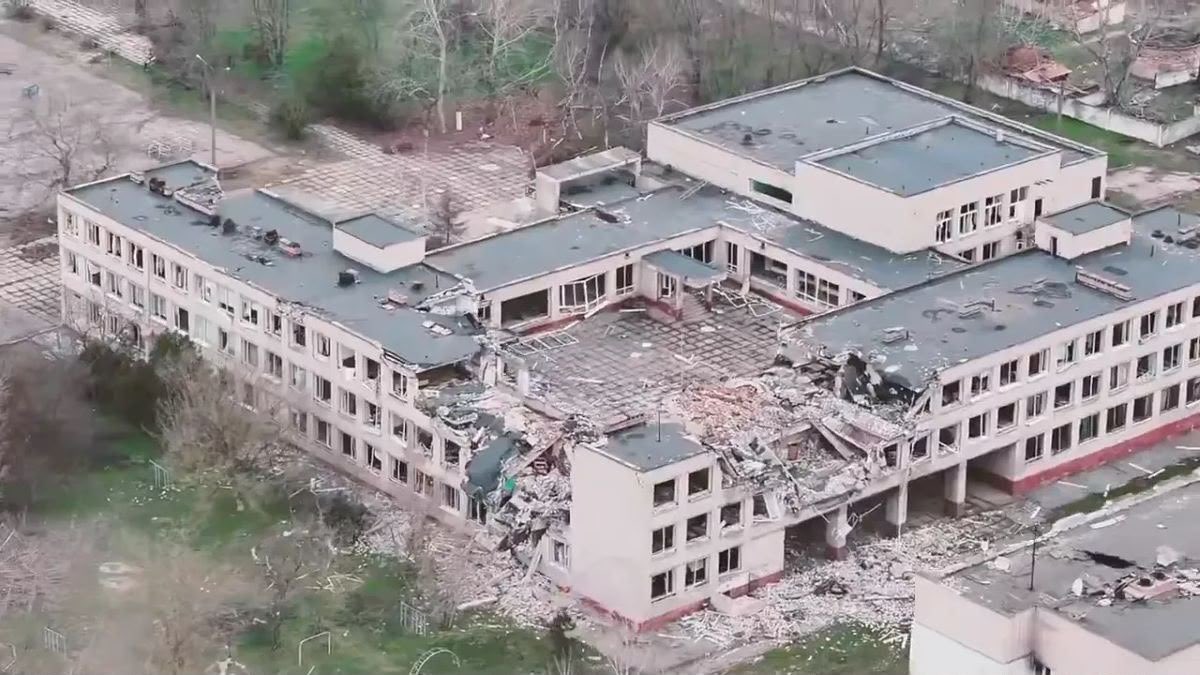
The Administrative Council approved new support measures for Ukraine aimed at housing reconstruction and small business support. In particular, an additional €100 million will be allocated to the HOME program, which compensates citizens for housing destroyed as a result of Russia’s full-scale aggression. Another €20 million will be directed to support microenterprises and small farming households in Ukraine.
Zykova thanked the Bank’s leadership for expanding cooperation in the social sector and for supporting the private sector.
“Additional funding for the HOME program will allow thousands more families whose homes were destroyed during the war to receive new housing. At the same time, the new €20 million microfinance program, to be implemented by the National Development Institution, will help support entrepreneurs, internally displaced persons, veterans, and small farmers, for whom access to financing remains critically important,” she said.
_1773835683.jpeg/nAFSEjZsbD2ySAmk8A0VGBDQd9vsdoktEZGrWRXV.jpg)
According to the Deputy Minister, since Ukraine joined the CEB in 2023, the Bank has already approved more than €670 million in financing. These funds are directed toward housing reconstruction, healthcare system support, assistance to internally displaced persons, and small business development.
Previous phases of the HOME program have shown significant results. In particular, €200 million enabled the purchase of 3,774 housing units, providing new homes for more than 13,000 Ukrainians.
As of early 2026, more than 98,000 applications have been submitted for compensation for destroyed housing, highlighting the scale of reconstruction needs.
The additional funding will make it possible to support around 3,000 more families and extend the program until June 30, 2028.
At the same time, the financing program for microenterprises and small farming households will be implemented through the Entrepreneurship Development Fund (the National Development Institution), which will provide funding via partner banks and credit unions.
The program’s financing structure includes: a €20 million CEB loan, a €4.6 million EU investment grant under the Ukraine Investment Framework, €230,000 in technical assistance, and a €3 million CEB grant to cover currency risks.
The program is aimed at supporting entrepreneurs affected by the war, internally displaced persons, veterans, women entrepreneurs, youth, persons with disabilities, and small farming households.
It is expected that at least 50% of the €20 million will be directed to vulnerable groups, while 30% of investments will go toward energy-efficient and sustainable projects.
During the meeting, the Bank’s leadership and representatives of member states reaffirmed their unwavering support for Ukraine and expressed their intention to continue developing cooperation to support the country’s recovery, economic growth, and improvement in citizens’ quality of life.