


The war in the Middle East is hitting Ukrainian farmers hard, driving up production costs and curbing demand, according to analysts from the Association “Ukrainian Agribusiness Club.”
Rising input costs are the most immediate impact, particularly for fuel, fertilizers, and shipping. Fuel accounts for 9–12% of total production costs depending on the crop. For maize, for instance, farmers typically use about 55 liters of diesel per hectare, and recent price increases are expected to add roughly 1,100 UAH per hectare to production costs.
Fertilizer costs are also surging, especially nitrogen-based fertilizers like urea. Prices have jumped 34% since January to 39,000 UAH per ton, driven by higher gas prices, seasonal demand ahead of planting, and logistical challenges caused by the inability to export fertilizers through seaports due to security concerns. For maize, this could increase fertilizer expenses by 27%, to about 9,000 UAH per hectare, unless farmers reduce application rates, which would likely lower yields.
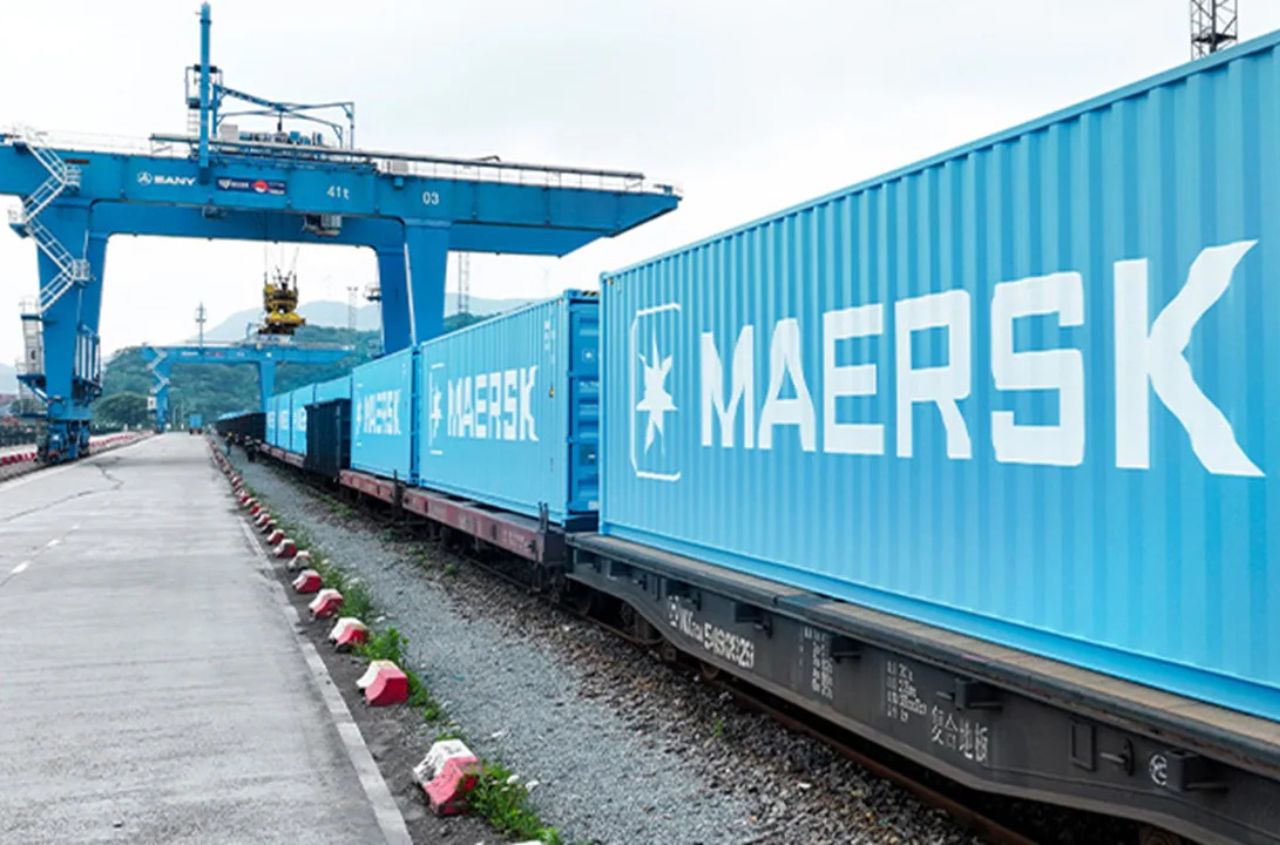
Shipping costs are rising as well, with freight rates up $4 per ton, eroding competitiveness on international markets. Traders often pass these additional costs onto producers through lower grain prices, further squeezing profit margins. Overall, analysts estimate that the combined impact could reduce maize profitability by around 12%.
On the demand side, exports to four Gulf countries—UAE, Qatar, Bahrain, and Kuwait—are largely blocked due to the closure of the Strait of Hormuz by Iranian forces. These countries import roughly 5 million tons of grain annually. The absence of this demand adds to global supply pressures, limiting price growth and potentially driving prices down if the situation persists.
Despite these challenges, Ukrainian farmers are largely prepared for spring planting. Many pre-stocked fuel and fertilizer reserves before the Middle East crisis escalated—a practice reinforced by lessons from the early stages of Russia’s full-scale invasion. Still, if geopolitical tensions continue, Ukraine’s agricultural sector could face new and significant challenges on top of ongoing wartime pressures.