

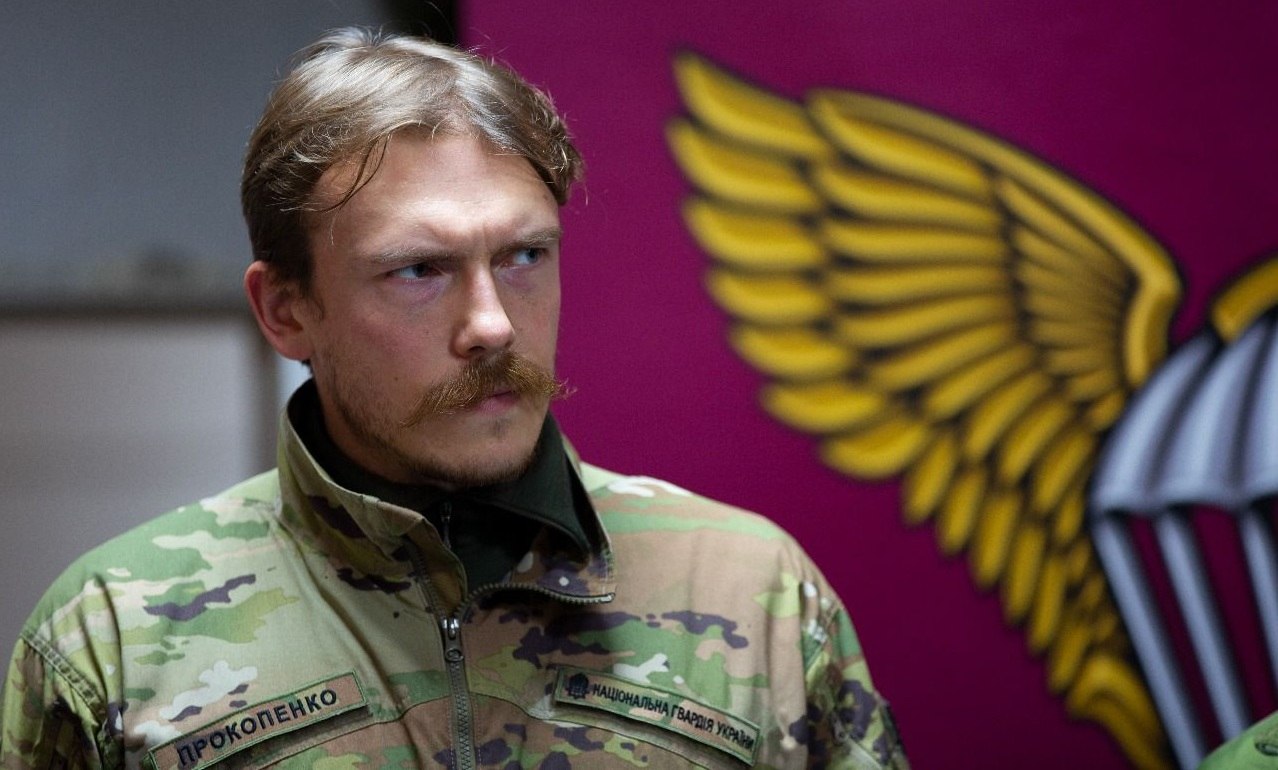

Brigadier General Denys Prokopenko, known by the call sign “Redis,” published a new essay on why many Western analysts in 2022 overestimated the Russian army, how the Ukrainian military differs from the Russian one, and why Russia will ultimately lose.
We have compiled the main points of his essay:
In his view, many analysts focused primarily on Russia’s quantity of equipment, personnel, and ammunition, while ignoring intangible but decisive factors such as command culture, morale, social cohesion, and adaptability.
“Redis” warns that this analytical blindness still partly persists today. Many in the West continue to view the war purely through the lens of attritional warfare, where victory is determined solely by the volume of resources. He calls this a dangerous misconception.
The general contrasts two models of warfare — the Ukrainian and the Russian. The Russian system relies on a rigid Soviet-style hierarchy in which officers are afraid to deviate from orders even when an operation is clearly failing. According to him, such a structure leads to operational paralysis on the modern battlefield.
A key piece of evidence of this systemic flaw, he argues, is the chronic underdevelopment of junior officers in the Russian Armed Forces and the recklessness of senior commanders willing to sacrifice huge numbers of personnel simply to please leadership.
“Redis” emphasizes this point because, as he writes directly, Ukrainian forces are fighting Russia and understand very well how it wages war — and that is why they know why it will lose. This idea is reflected in the title of his essay.
At the same time, the Ukrainian army is based on a command philosophy rooted in decentralization and delegated authority. This model is described as a modern interpretation of the German concept of Auftragstaktik (Mission Command), developed for combat on a dynamic, nonlinear battlefield.
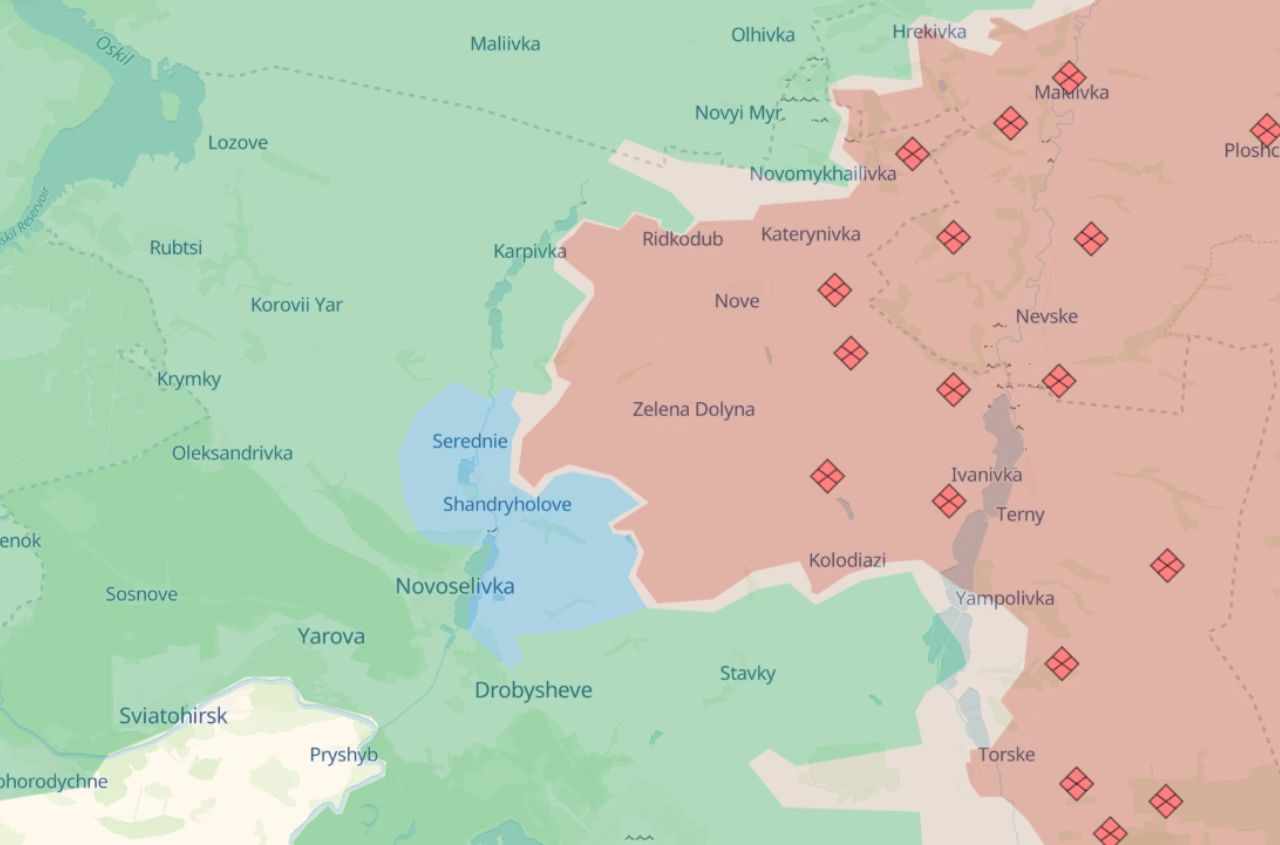
A vivid example of this approach, he says, was demonstrated by the Defense Forces in the Dobropillia direction in the second half of 2025. According to him, it represented a rethinking of the concept of mobile defense under the conditions of modern warfare.
During that period, Ukrainian forces conducted a large-scale operation involving search-and-strike actions, fire raids, and precise surgical counterattacks, ultimately resulting in the encirclement of Russian units and the capture of hundreds of enemy prisoners.
In March, the 1st Azov Corps of the National Guard of Ukraine marked the anniversary of its creation. In a short time, the corps command and штаб were formed from combat officers with many years of military experience, many of whom had already participated in battles in 2014–2015 while serving in enlisted and sergeant positions.
The overwhelming majority of them, he notes, have passed through all levels of command. Having served in both command and staff positions, they took responsibility and learned the realities of war firsthand from the trenches.
The general also highlighted the creation of entirely new units within the corps structure, including the 41st Pilum Unmanned Systems Regiment, the 14th Assault Regiment, the Support Forces Regiment, and others.
The development of a deep reconnaissance and strike network now allows the corps to attack Russian equipment, depots, and logistics targets at distances of up to 250 kilometers.
“Redis” writes that Western partners have begun learning from Ukraine and are now actively adopting its combat experience. At the same time, the battle for Donbas remains in full swing, and the general stresses that Ukrainian forces will continue striking the enemy and fighting for the return of their prisoners of war.