

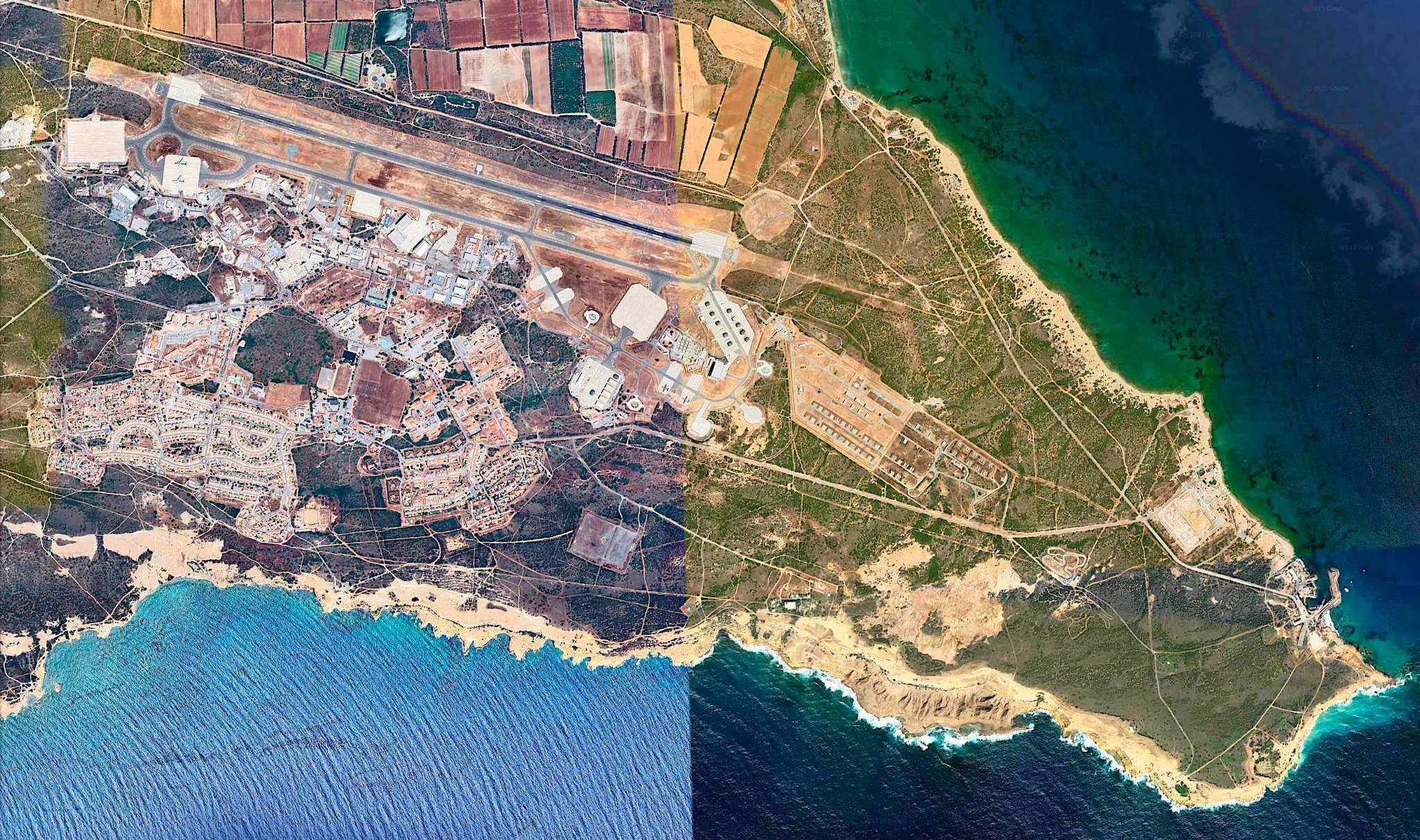

Main image: Iranian Shahed kamikaze drone hit the runway at RAF Akrotiri, a sovereign UK base in Cyprus.
In fact, the EU is in a classic zugzwang — any move worsens the situation.
If it stays on the sidelines, the war risks dragging on: the resources of the US and Israel might not be enough.
But then there would be a colossal recession and unpredictable social and economic consequences.
It’s almost too unpleasant to list them.
If it enters the war, there are enormous costs and the risk that China could also become involved, even indirectly.
And that, again, carries the risk of crisis and recession.
That’s why the US will try to exit the war in the coming weeks, framing these actions with victorious rhetoric.
Why did the war start before the end of the sacred month for Muslims — Ramadan, which ends on March 19?
And why does Trump talk about a “month” of war?
The point is that on April 1, Trump was supposed to visit China, and he wanted to bring the “scalp of Iran” to Beijing.
That’s why the war began on February 28, with the expectation that a month would be enough for everything to be resolved by April 1.
That’s also why Beijing most likely signaled to Tehran: hold out until April 1, “making a Stalingrad.”
By April 1, it should be decided who prevails — Beijing or Washington.
After that, either on April 1 there will be peace in the course of negotiations in Beijing between Xi and Trump, or Trump’s visit to China will be canceled, and then comes the Great War.