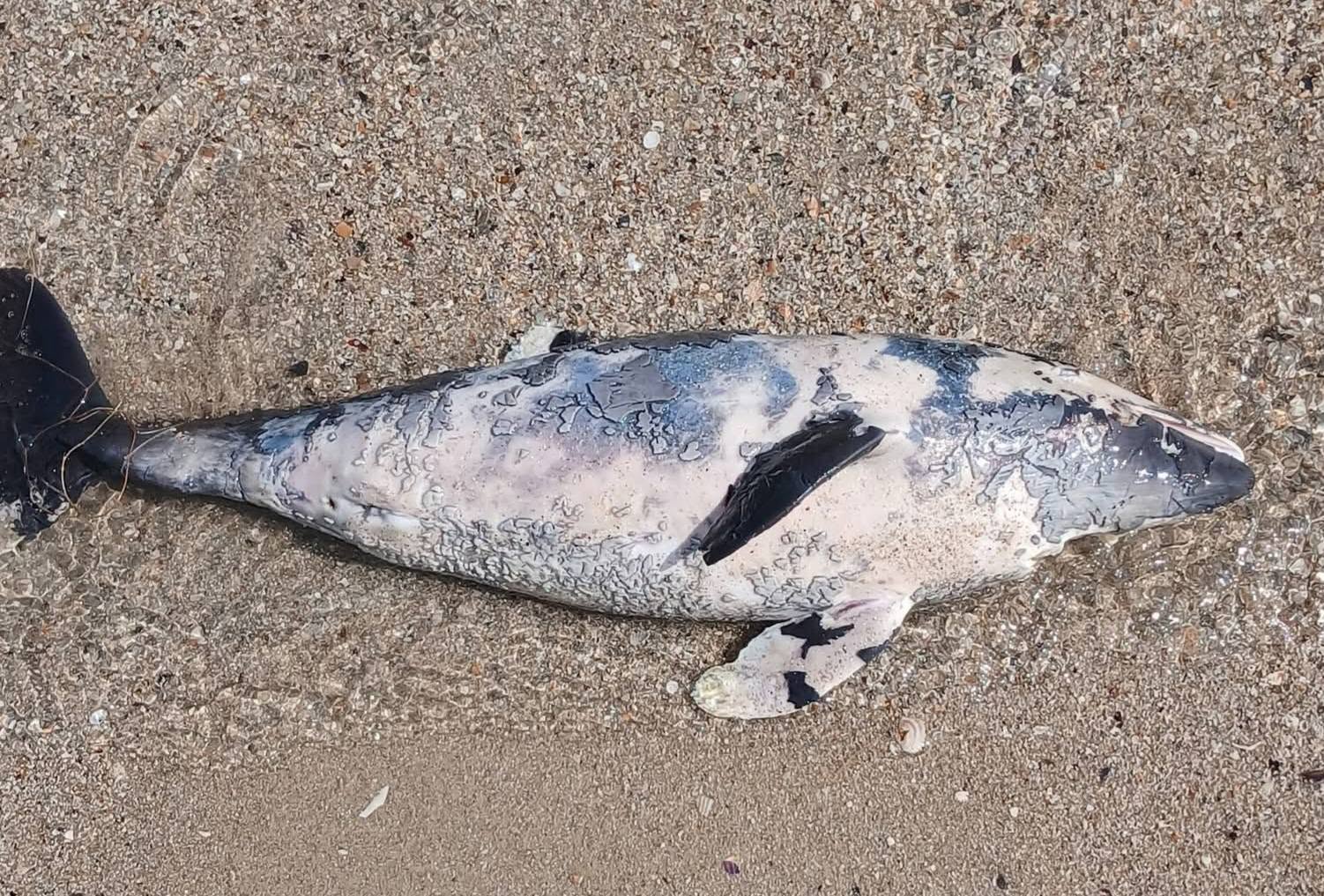

In the Tuzly Estuaries National Nature Park, a record number of dead dolphins was recorded over several days, according to Ivan Rusev, head of the park’s scientific research department.
According to him, on June 5–7, 37 dead cetaceans were found along nearly 40 kilometers of coastline. Initially, 22 animals were discovered on a 25-kilometer stretch, and during a subsequent survey of another 13 kilometers of coastline, 15 more dolphins were found.
Rusev noted that such a number of dead dolphins over such a short period had not previously been recorded in the national park during the full-scale war. Some of the animals had died more than a month earlier, and their bodies were only recently washed ashore.
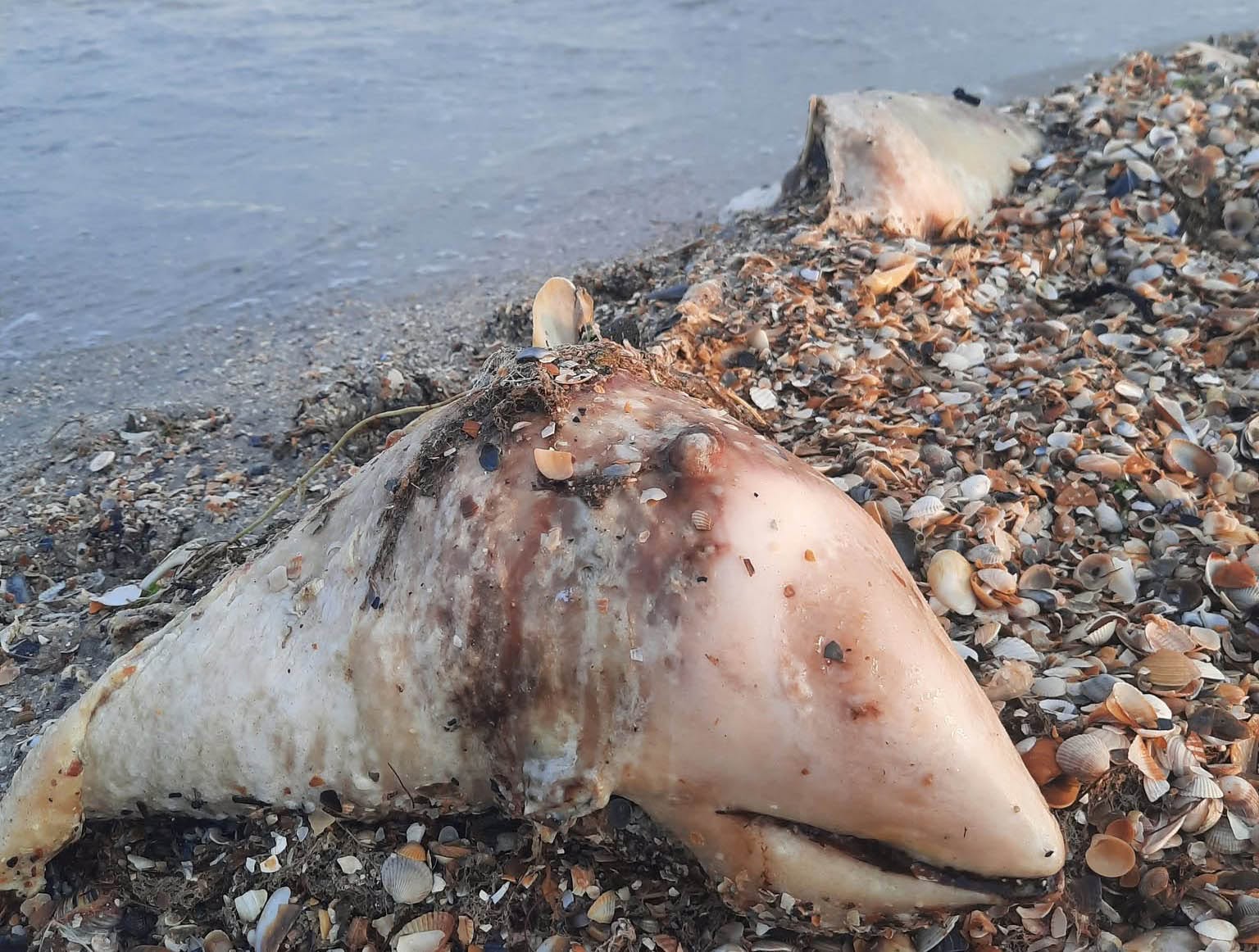
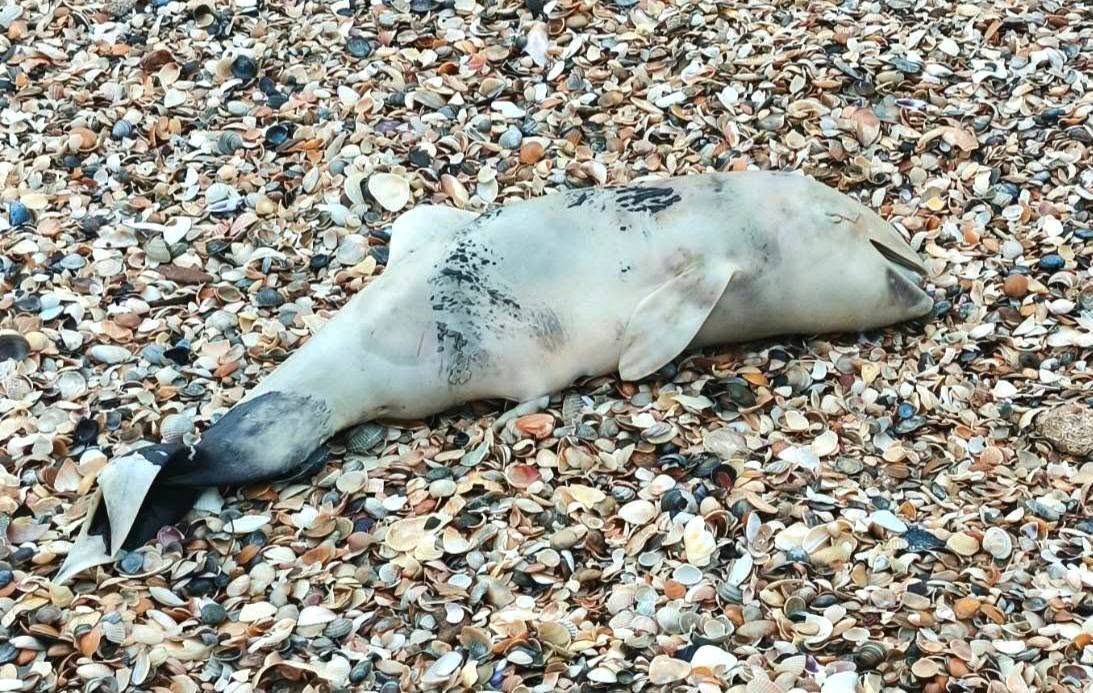
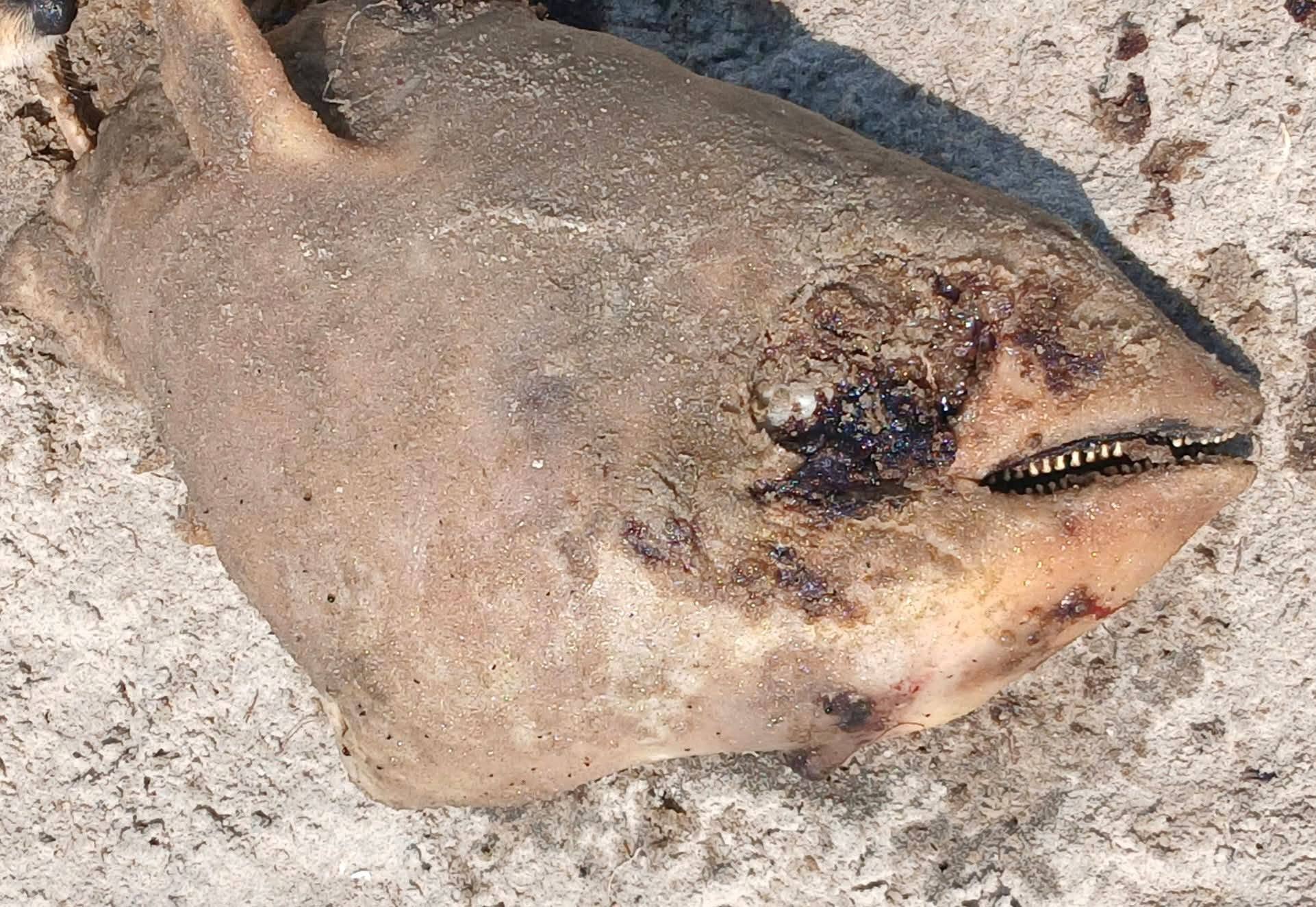
Cetacean deaths have been recorded not only in Ukraine. At the end of May and the beginning of June, dead dolphins were also found along the coasts of Romania and Bulgaria, the ecologist said. At the same time, live but severely injured animals were observed in the Odessa Bay. The possible cause of dolphin deaths, according to Rusev, may be the combined impact of the war on the Black Sea: explosions, naval sonar activity, missile strikes, and pollution from oil products and other hazardous substances.
"Over the years of full-scale war, the anthropogenic and military pressure on the Black Sea has reached a critical level. The northwestern part of the sea has been particularly affected. Populations of unique Black Sea cetaceans are losing their viability, immunity, and genetic potential for recovery on a daily basis. If the civilized world does not stop the aggressor, the Black Sea risks permanently losing its main inhabitants and symbols. We record and document every such case. These are not merely consequences of hostilities — they are a deliberate crime against nature and a true act of ecocide," wrote Rusev