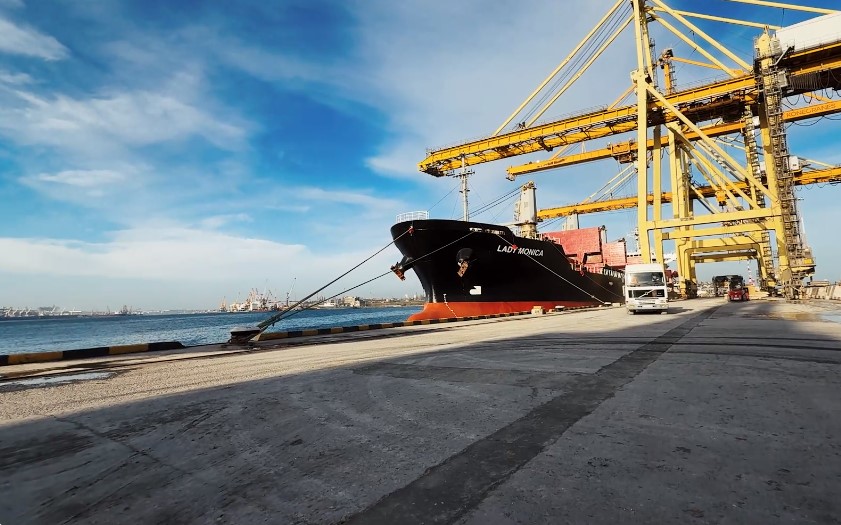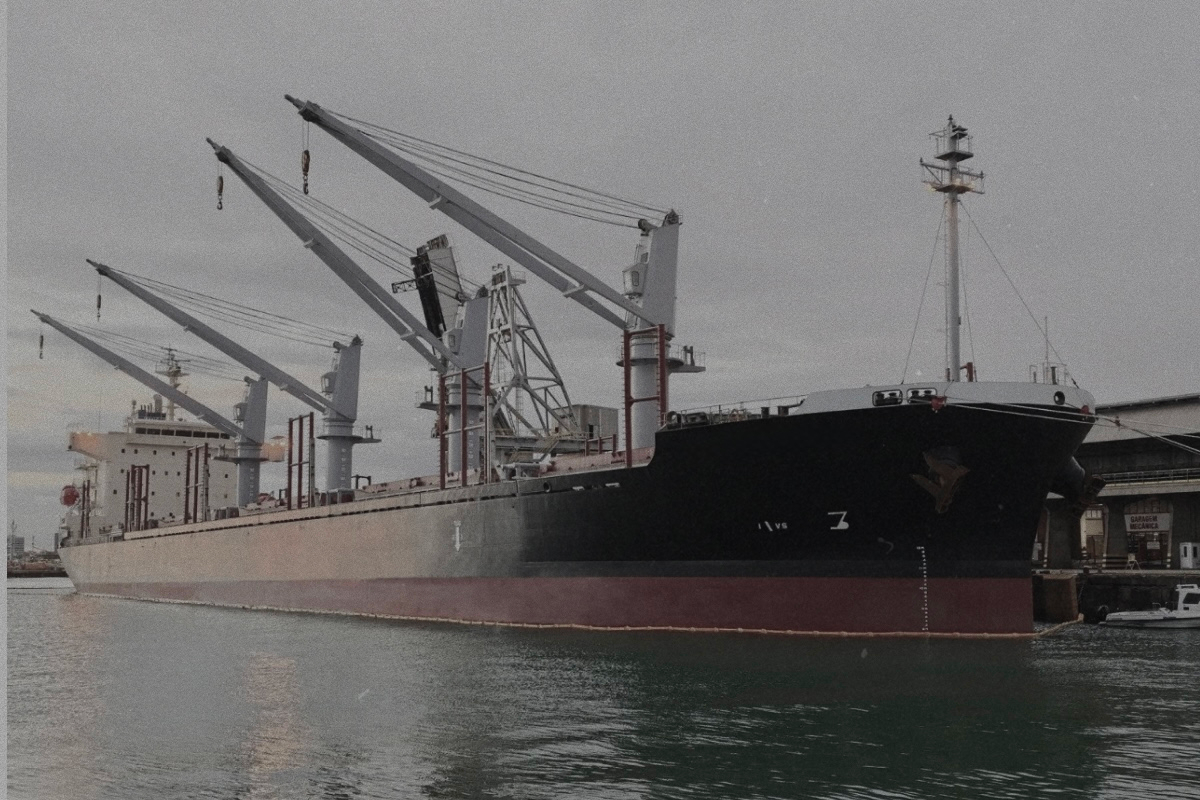


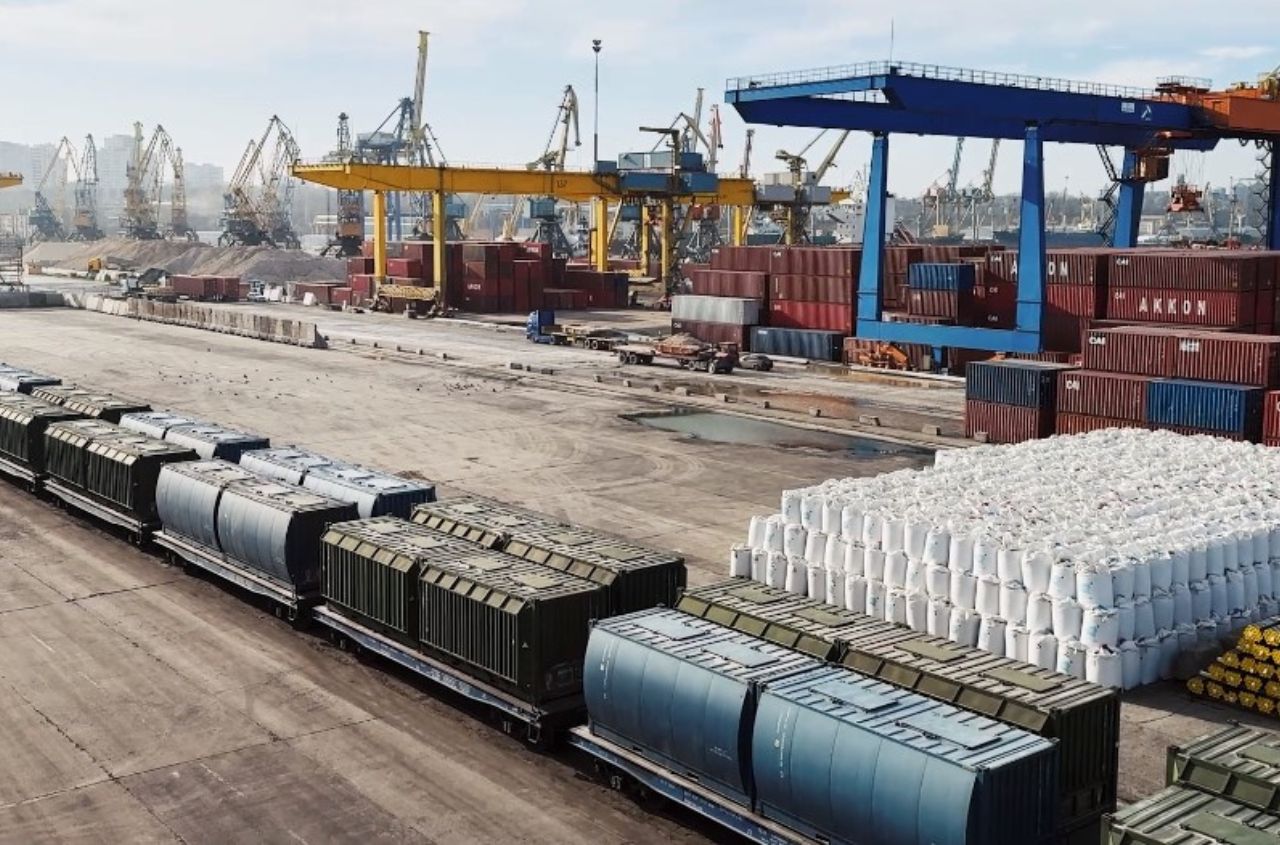

Ukraine’s maritime corridor continues to operate under wartime conditions, with officials highlighting both its strategic economic importance and the sustained pressure on port infrastructure caused by Russian attacks.
Since its launch in August–September 2023, the maritime export route has handled around 200 million tonnes of cargo, including approximately 118 million tonnes of grain, according to Ukrainian port authorities. More than 7,800 vessels have passed through the system, with exports reaching 56 countries.
Officials say the corridor remains a critical element of Ukraine’s wartime economy, sustaining grain exports and foreign currency inflows despite ongoing security risks.
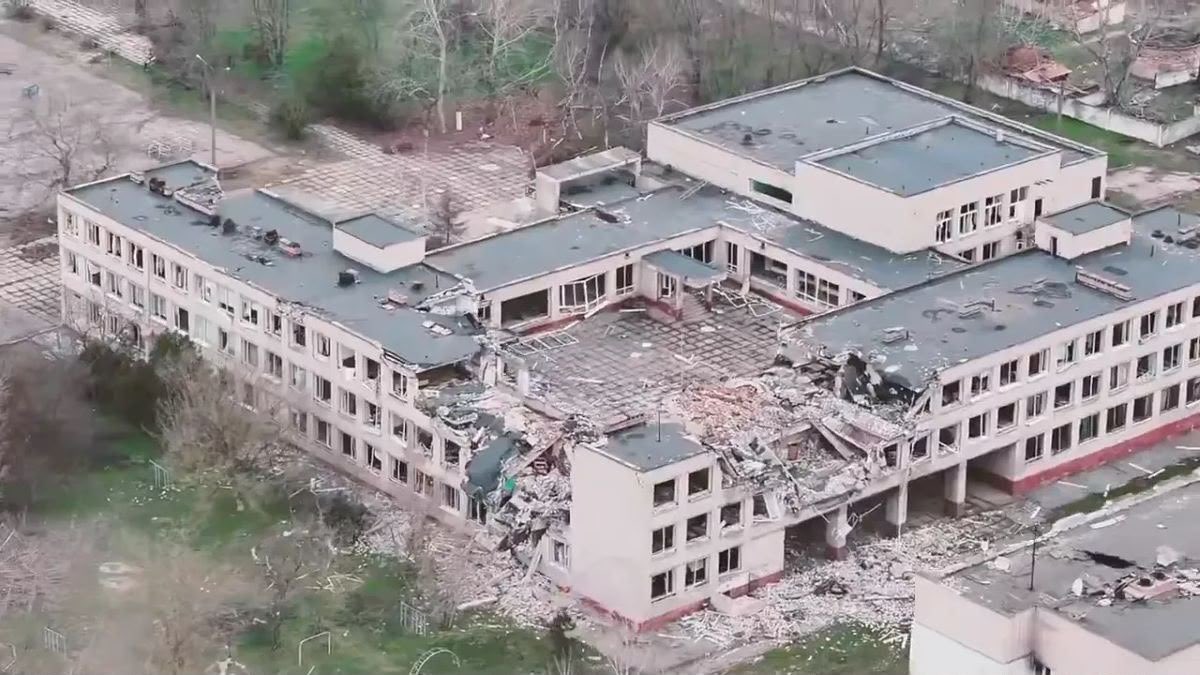
At the same time, authorities stress that this performance has been achieved under constant attack on port and logistics infrastructure. In April alone, more than 500 drone strikes were recorded against logistics facilities, with ports reportedly coming under fire almost every other day. Since the start of the full-scale invasion in 2022, 935 port infrastructure facilities have been damaged or partially destroyed, along with 191 civilian vessels. A total of 255 civilians have been affected.
Deputy Prime Minister for Reconstruction Oleksii Kuleba emphasized the human effort behind maintaining operations under such conditions.
“This is the result of the daily work of thousands of people in extremely difficult conditions. Port workers, logistics specialists, sailors, dispatchers, engineers and repair teams work under shelling, restore damaged infrastructure and ensure the movement of vessels. It is thanks to their work that Ukraine remains part of the global food system and fulfills its responsibility to dozens of countries,” he said.
Despite the attacks, officials say the maritime corridor continues to function without interruption. According to the Administration of Sea Ports of Ukraine, nearly 35 million tonnes of cargo have already been processed in 2026 alone, with Ukrainian exports reaching 56 countries.
“200 million tonnes of cargo is the result of the Ukrainian maritime corridor operating under extremely difficult security conditions. Despite systematic attacks on port infrastructure, the industry continues to function and ensure stable Ukrainian exports. This is critically important for the state economy, Ukrainian producers, and global food security,” said Nikolai Kravchuk, head of the Administration of Sea Ports of Ukraine.
The corridor has become a key export lifeline, particularly for agricultural goods, which account for more than half of total shipments. At the same time, authorities note that the system operates under continuous strain from targeted strikes on ports, logistics routes, and related energy infrastructure.
Taken together, the data and official statements illustrate a dual reality: a maritime export system that has become essential to Ukraine’s economy and global food supply, while simultaneously operating under sustained and repeated attacks on civilian infrastructure.