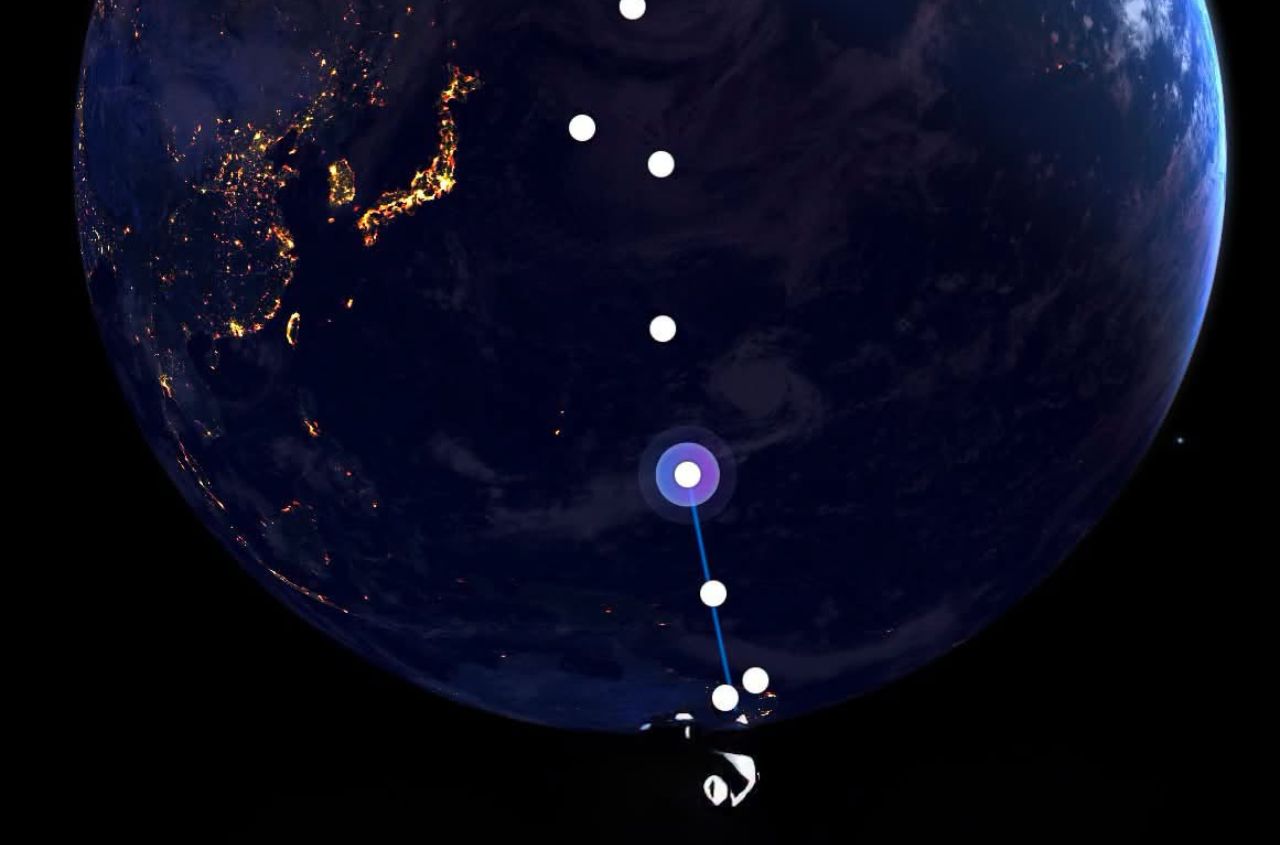



If we look at the outcomes of the Second World War from the vantage point of our own time—as if from space—we can, by trying on a couple of different filters, see a picture like this.
What we call a “world war” was in essence a “European war,” into which most countries of the world were gradually drawn step by step. As their involvement grew, the number of theaters of war multiplied, yet the core nature of the conflict remained unchanged.
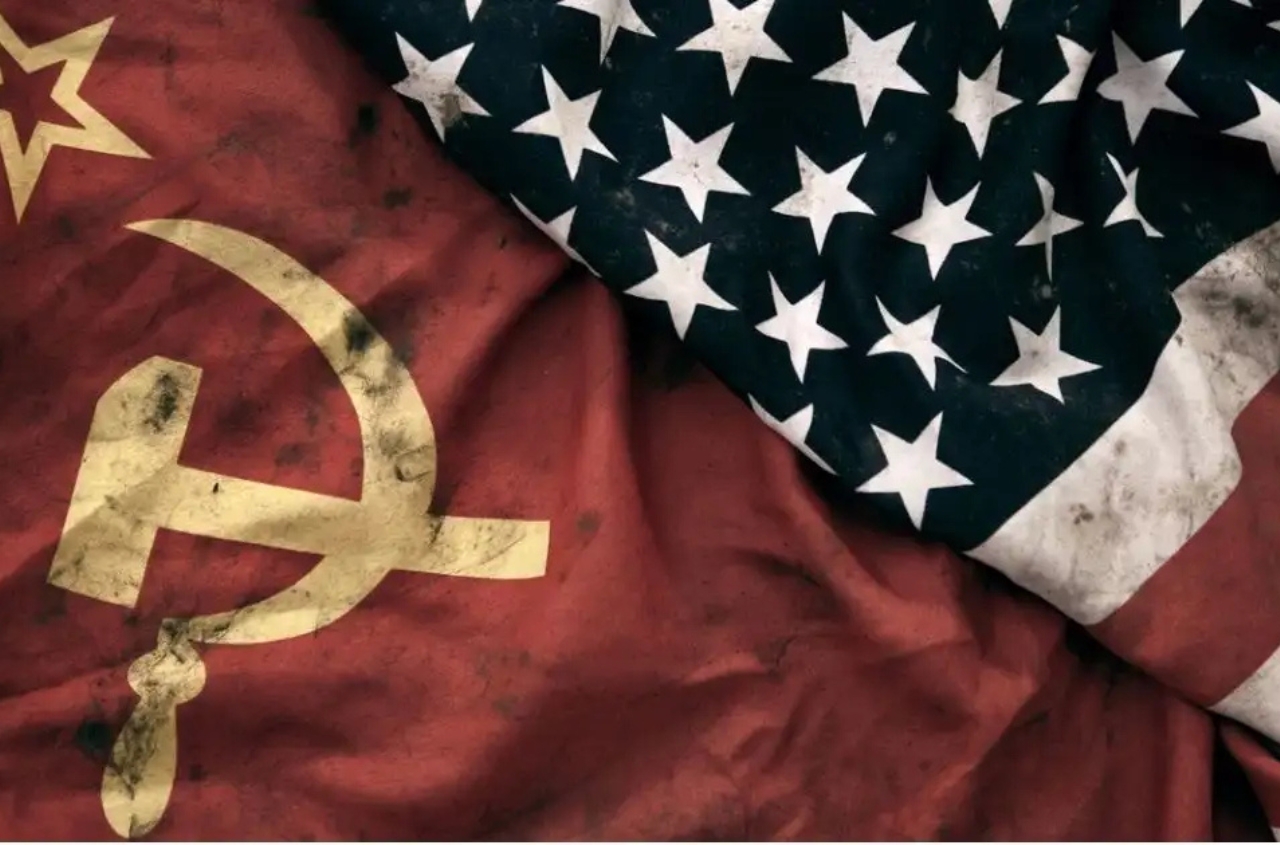
Interestingly, it was not just a European war, but a “European civil war.” Unlike the First World War, in the Second purely imperialist motives were only secondary. The primary motives were ideological: it was a war of liberalism against Nazism, in which, paradoxically, communism sided with liberalism (during the “Cold War” that followed, they moved to opposite corners of the ring, which was a more natural state of affairs).
In this war, America initially maintained a neutral position, and even after becoming involved—effectively as the leader of the liberal world—it kept a significant distance. The price America had to pay was incomparably smaller than that paid by Europe, Russia, China, and Japan. At the same time, America became the main beneficiary of the war, securing for itself the status of the “first superpower” for a long time.
Returning from that now rather distant past to our own day, we can observe an equally interesting and paradoxical picture.
What at first glance appears to be a revival of primitive 19th-century-style imperialism, on closer inspection resembles a continuation of the ideologically driven “world civil war” of the 20th century. But there is an important difference: this is a civil war within the “American world,” where parts of the disintegrating post-Potsdam world order—formed in the 1990s, when the USSR had already disappeared and China had not yet fully emerged—are beginning to clash with one another.
In this picture of the world, Europe has locked horns with Russia, while America is confronting Iran. But these are only the main lines—there are many others besides, where everyone is fighting everyone else. And only China continues to remain equidistant from all centers of conflict. If it has the sense not to rush into resolving the “Taiwan question,” but instead patiently waits until the island falls into its hands with little effort—simply as a result of American weakening—then it will become the main beneficiary of this terrible era of geopolitical change in which we are living.
An analogy suggests itself (a rather strained one, but still): the United States, Europe (this time together), and Russia may wear themselves out in the postmodern tangle of a fourth world war (or a second Cold War, if we are lucky) much as Europe and the USSR wore themselves out on the battlefields of the Second World War. China, meanwhile—whether it stays on the sidelines or joins the fray only at the final stage—could become the beneficiary of the era, just as the United States did after 1945.
In that case, the outcome would not simply be a bipolar world of “USA–China,” but a bipolar world with a shift in leadership—“China–USA”—with two proxies: Europe on the side of the United States and Russia on the side of China, and, as always, a non-aligned India waiting for its moment.