

Assessing the potential and opportunities for utilizing demolition waste generated by Russia’s aggression has become a key focus of a study initiated by Ukraine’s Ministry for Communities and Territories Development. The expert report, prepared by the United Nations Development Programme (UNDP) in Ukraine with financial support from the Government of Japan, shows that up to 8.2 million tonnes of such waste could be recycled and reused.
As of September 2025, approximately 17.2 million tonnes of waste from damaged and destroyed residential buildings had accumulated in government-controlled areas of Ukraine. While some of it has already been removed and disposed of at landfills, around 11.7 million tonnes still require clearance, sorting, and further processing.
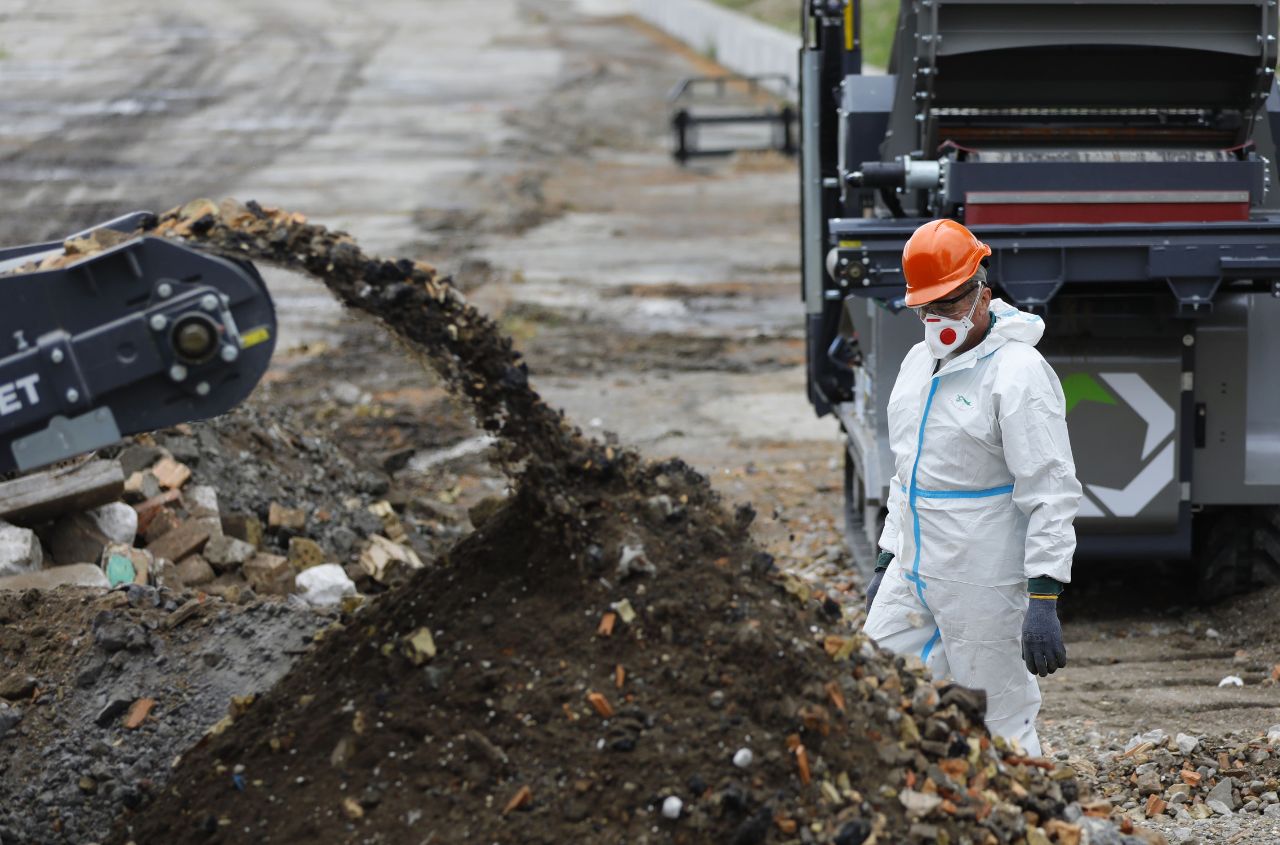
The study found that, with proper organization of these processes, up to 70% of this waste—approximately 8.2 million tonnes—could be recycled and reused in reconstruction efforts.
“Secondary raw materials recovered from demolition waste can support the production of construction materials, reduce pressure on natural resources, promote circular economy practices, and contribute to the decarbonization of the construction materials sector. Establishing a system for recycling and reusing demolition waste is an opportunity to make Ukraine’s recovery more sustainable and future-oriented. This study is an important step in that direction,” said Deputy Prime Minister for Restoration of Ukraine and Minister for Communities and Territories Development Oleksii Kuleba.
According to the report, recycled demolition materials could be used to manufacture a wide range of construction products. Researchers identified 50 types of products that could potentially be produced in Ukraine using recycled debris, including cement, ready-mix concrete, and precast concrete structures.
Experts conclude that developing a demolition waste recycling system would not only reduce pressure on landfills and natural resources but also create an additional source of materials for the country’s large-scale reconstruction.
UNDP Resident Representative in Ukraine Auke Lootsma emphasized that Ukraine now has a unique opportunity to build a modern demolition waste management system and integrate circular economy principles into its recovery process.
The study also outlines the steps needed to develop this market between 2026 and 2028. These include improving the regulatory framework, developing standards for the use of recycled materials, investing in recycling infrastructure, engaging the private sector, and introducing green public procurement mechanisms.
Since the start of Russia’s full-scale invasion, Ukraine has faced unprecedented levels of destruction. Each new attack generates additional debris that must be safely cleared and processed. Reusing part of these materials for reconstruction could become one of the key tools for ensuring the country’s sustainable recovery.