


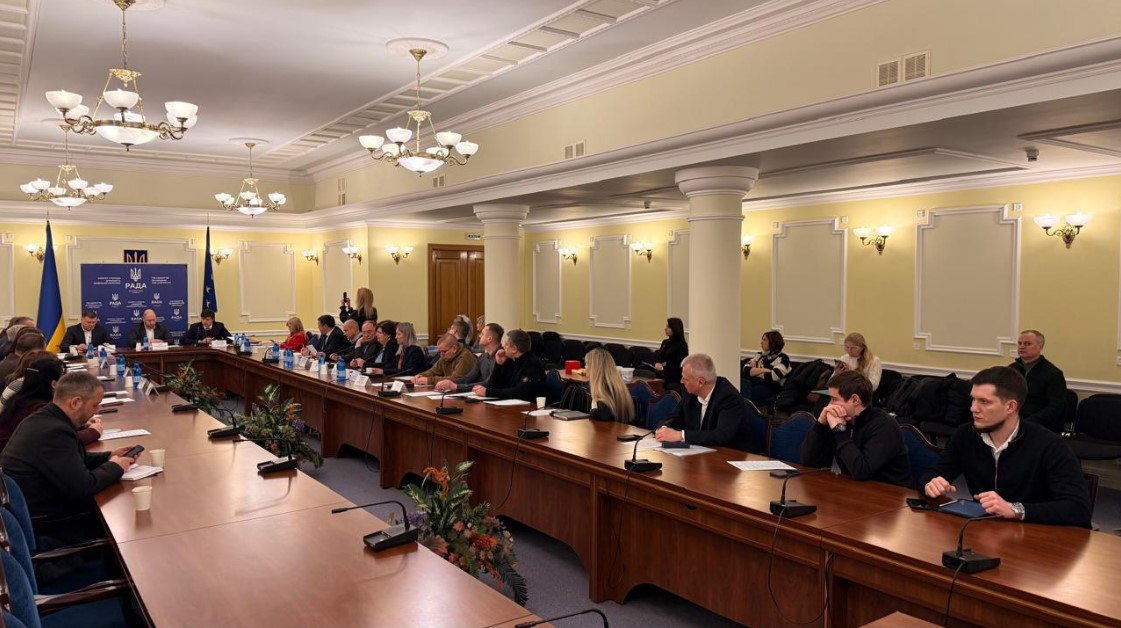
Ukraine’s dairy sector has entered its deepest crisis in recent years due to the drop in purchase prices below production costs, creating a risk of losing 20% of industrial milk output by the end of 2026, said Olena Zhupinas, Deputy CEO of the Association of Milk Producers (AMP), at a roundtable of the Parliamentary Committee on Agrarian and Land Policy.
According to the association, in 2025 and early 2026, raw milk purchase prices fell by 23%, averaging 13.5 UAH/kg (excluding VAT) in February, while direct operating costs exceed 16 UAH/kg. Even highly efficient industrial farms with 1,000–1,200 cows have been accumulating losses of over 1 million UAH per month for four consecutive months.
“The dairy sector is facing its deepest crisis in recent years. Without urgent measures in 2026, we risk losing part of the production capacity, which will be extremely difficult to restore after the war. For producers, the decision on support before the sowing season is critical: either plant feed and maintain the herd or curtail production,” Zhupinas said.
To stabilize the situation, the AMP proposes introducing a special subsidy of 8,000 UAH per cow for industrial farms with 50 or more heads. The potential volume of this program is estimated at EUR 62 million. Without such support, the country could lose 500–600 thousand tons of milk by the end of 2026, almost 20% of industrial production.
A second initiative is to create fair market conditions by regulating unfair trade practices by retail chains. Currently, financial risks are shifted onto producers and processors, directly suppressing purchase prices. Without legislative changes, it is impossible to stabilize the “farm — processing — retail” chain.
The association also emphasizes the need to stimulate demand through state procurement programs favoring domestic producers. For example, launching the “School Milk” program for 4.4 million students would guarantee the sale of 195,000 tons of milk per year, about 5% of processing volumes.
“The AMP’s position is not a request for privileges but a response to the scale of the challenges. 2026 will be a turning point: either decisions are made now, or losses that could still be avoided today will cost the state much more tomorrow,” the industry association concluded.