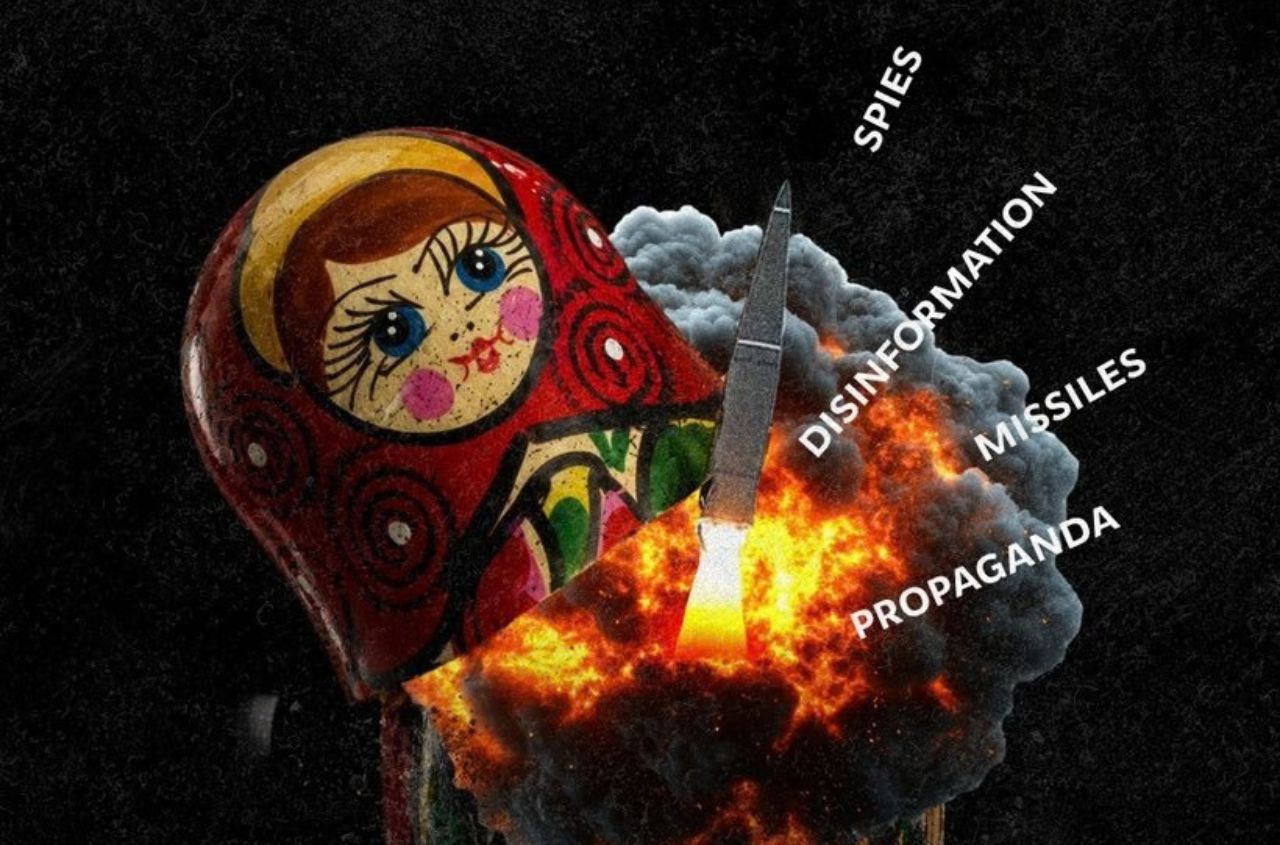


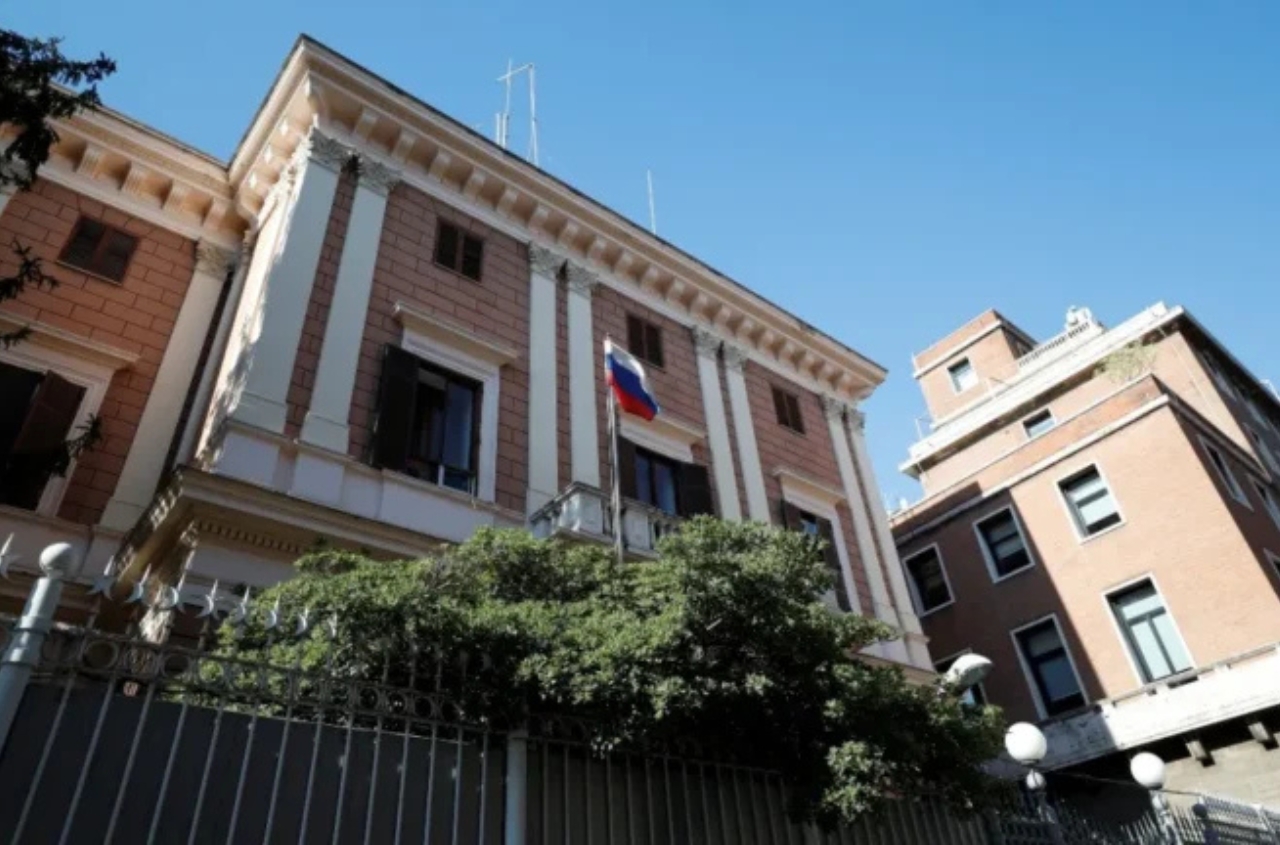

Italy has become a key platform for the activities of Russian elites, intelligence services, and criminal networks within the European Union, despite the international isolation of the Kremlin regime, the Robert Lansing Institute stated.
The main tool of access remains the mass issuance of Schengen visas: in 2025, Italy issued 152,000 visas to Russian citizens, maintaining its position as the leader in the Schengen area by this indicator. Despite increased fees to €80 and a reduction in consular staff, the Italian visa channel remains one of the most accessible, and the visa operator VMS continues to generate significant profits from the situation.
Large-scale and continuous visa issuance creates favorable conditions for the infiltration of agents under legal cover, which is actively exploited by the Foreign Intelligence Service and the GRU. Even short-term visas allow operatives to enter Europe, establish temporary logistical hubs, and move freely toward critical infrastructure sites in NATO countries.
Experts note that Italy’s current visa policy ignores the risks of hybrid threats, undermining collective EU security measures. In addition to intelligence activities, visa channels facilitate the recruitment of technical specialists for work at energy, transport, and telecommunications infrastructure sites, and also support coordination with diaspora networks and criminal intermediaries.
At the same time, Russia is pursuing an influence strategy aimed at undermining the unity of Italy and the European Union from within. Although direct funding is difficult to prove, investigations point to the use of opaque financial schemes, business networks, and NGOs to support marginal political movements in northern Italy.
Moscow’s goal is not the creation of classical separatist regions, but rather the weakening of state cohesion and the erosion of the sanctions regime. For this purpose, media ecosystems including RT and Sputnik are actively used to spread disinformation, exploiting regional issues and anti-European sentiments.
A significant role in this strategy is played by luxury real estate, which serves as both financial protection and a foothold for Russian interests. The main centers of such assets include Lake Como, Tuscany, and Sardinia.
In these regions, Russian oligarchs, including Alisher Usmanov, Alexei Mordashov, and Arkady Rotenberg, have for many years built networks of villas, yachts, and related corporate structures. Since 2022, Italian authorities have frozen Russian-linked assets worth more than €2.3 billion. However, legal opacity in ownership through trusts and nominee companies allows many representatives of the Russian elite to maintain influence and operational capabilities while avoiding strict oversight.
Russian criminal activity in Italy is described as restrained but highly effective, focusing on money laundering, sanctions evasion, and logistical support. Criminal networks, often integrated into legitimate businesses, operate in close cooperation with the Italian mafia, forming hybrid criminal ecosystems. While Russian actors provide capital and international connections, local groups supply infrastructure and coercive resources. This “grey zone” between crime and state interests allows Russia to use criminal logistics for intelligence, sabotage, and influence operations, making Italy a key gateway into the European space.