


In Kostyantynivka sector, the Russian forces continues to implement a plan to seize and eliminate the Kostyantynivka defensive area of the Armed Forces of Ukraine. At present, it is quite close to successfully completing this objective.
The Russian command has deployed the left flank of its “South” Group of Forces to achieve this goal — the majority of the troops of its 8th Combined Arms Army, virtually the entire 3rd Army Corps, as well as a range of reinforcing forces and assets from other armies and groupings (including naval forces), which are primarily engaged with their main forces in other directions.
To optimize command and control of the forces and assets designated for the assault and seizure of the Kostyantynivka defensive area of the Armed Forces of Ukraine, and to improve coordination between them, the Russian command has organized them into two tactical groups of forces — “Dzerzhynsk” and “Bakhmut.” These groups operate respectively within the sectors of the 8th Combined Arms Army and the 3rd Army Corps.
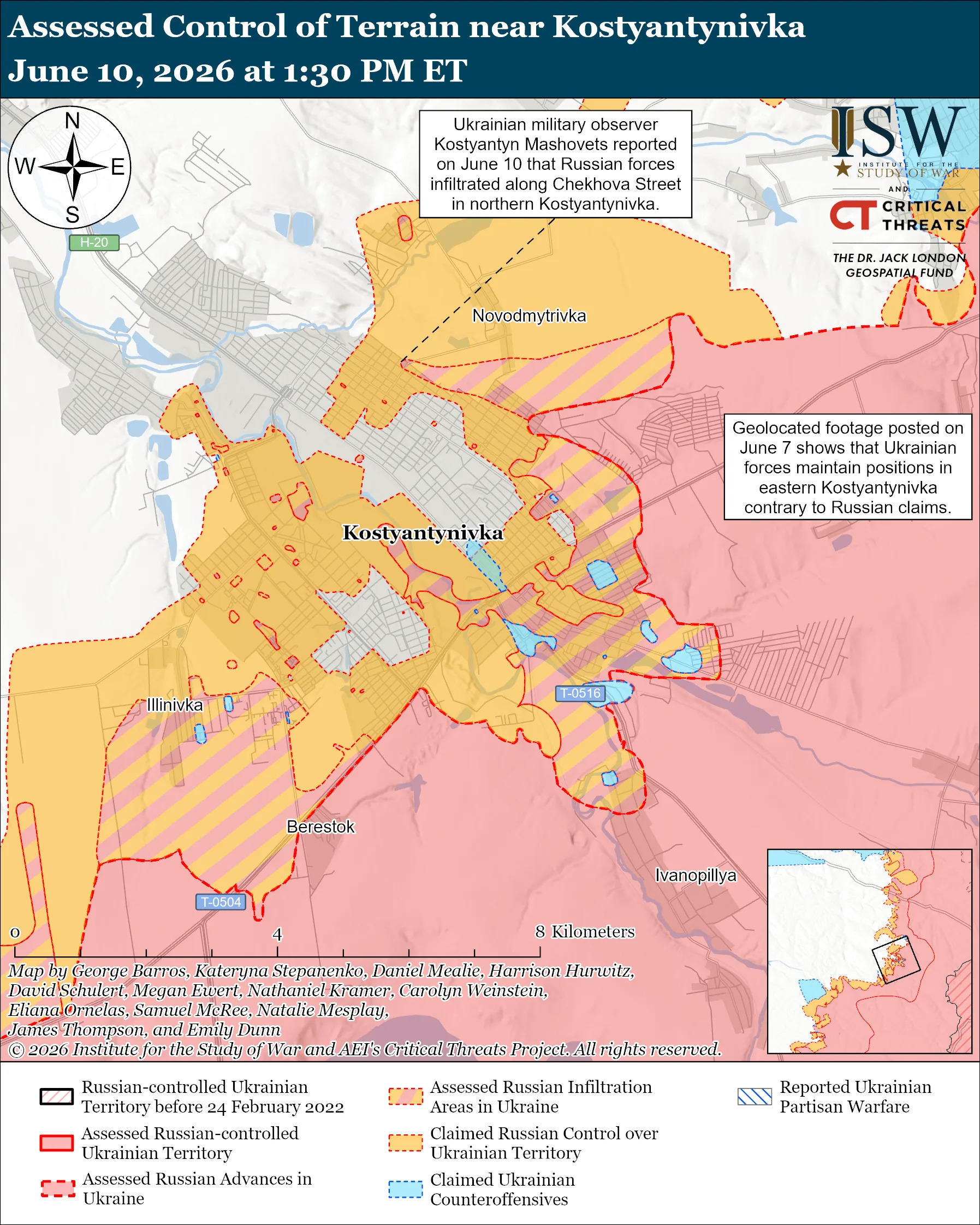
The current situation in this sector is characterized by a significant intensification of Russian activity as it completes the phase of a mass breakthrough by its forward infantry (assault) groups into the outskirts of Kostyantynivka across several sectors and directions, followed by efforts to consolidate their positions there.
It appears that the Russian command plans, immediately after this, and without a significant operational pause, to transition to a phase of large-scale “infiltration” (penetration) of the main body of its forward units and subunits into the entire Kostyantynivka defensive area, with a highly probable simultaneous forward deployment of most of its UAV groups and units into the first echelon.
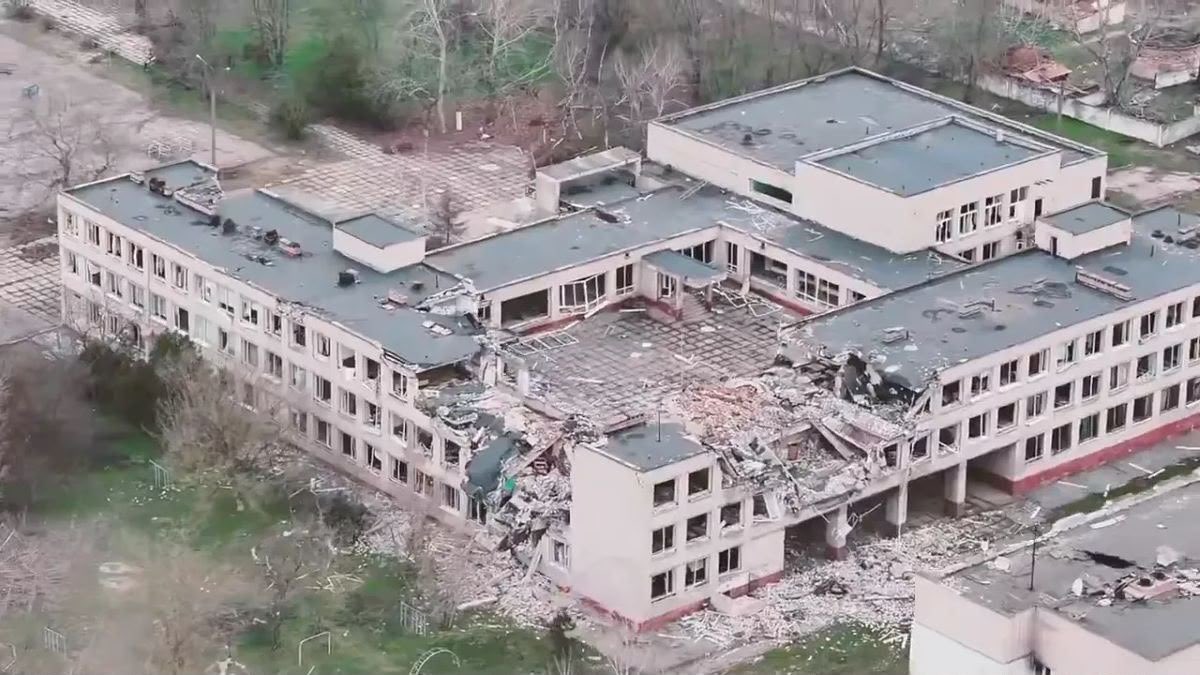
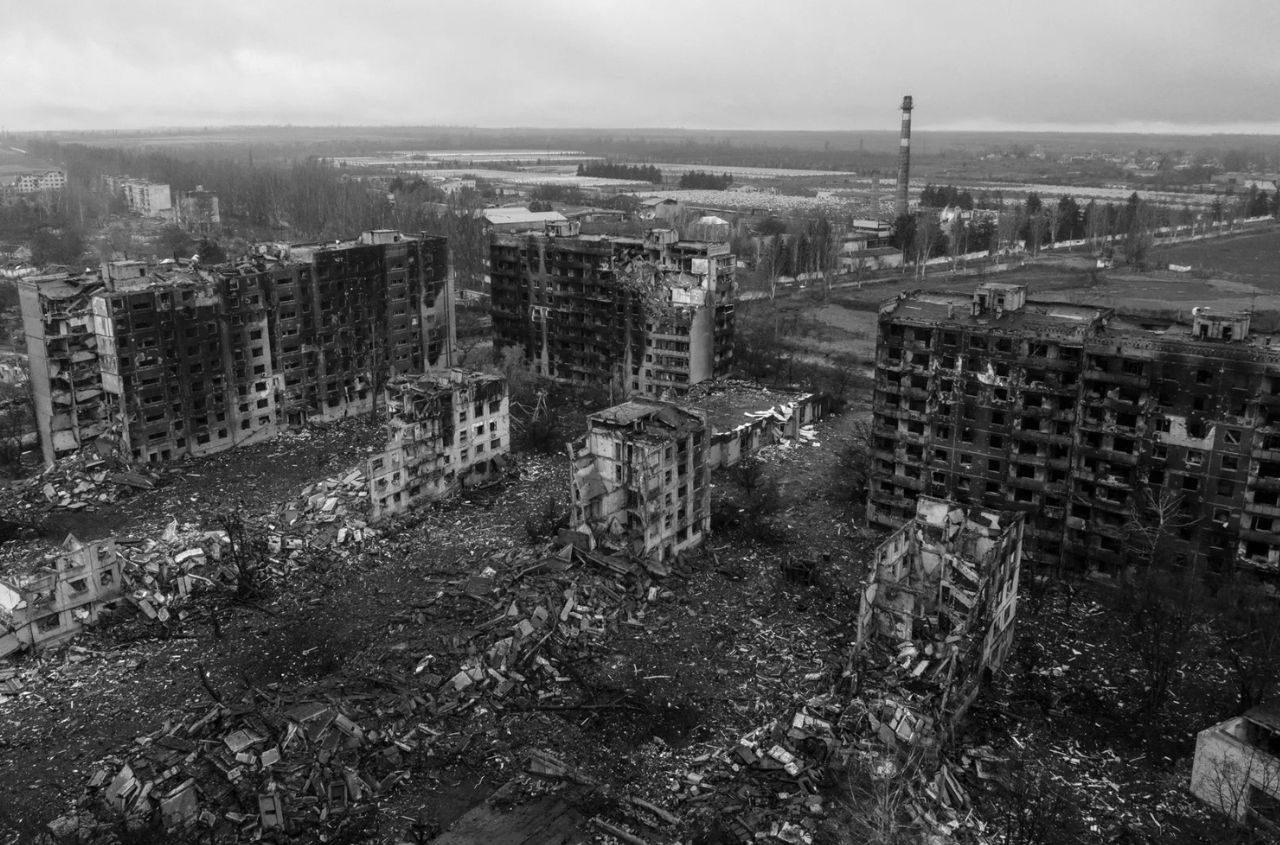
At this point, it can be stated that the battles for the Kostyantynivka defensive area of the Armed Forces of Ukraine have entered their final phase, as the Russian forces appears to have succeeded in breaking through (in several sectors simultaneously) into the western (central) part of the city. This, in turn, has sharply destabilized the overall stability of the Ukrainian defense in this area.
As for the further tactical prospects of the defense of Kostyantynivka, they appear, for the Armed Forces of Ukraine, to be quite unfavorable. If the assault groups of the Russian army from its tactical groupings “Dzerzhynsk” and “Bakhmut” continue advancing toward each other (with a likely meeting line near the Local History Museum – Central City Market axis), the situation in Kostyantynivka for Ukrainian forces will deteriorate even further, potentially in a cascading manner.
At present, the approximate distance between the forward assault groups of the 8th Combined Arms Army (Yemelyanova Street area, “Motto” gas station) and the forward groups of the 3rd Army Corps (Minska Street area) is less than 2 km.
In this sense, the only factor that could delay the Russian troops is the presence of the Kryvyi Torets River, which Russian assault groups will evidently need to cross in order to advance toward each other. So far, they have not crossed it in significant force (fighting is ongoing in the area of Promyslova Street, the “Motto” gas station, and the “Svynets” enterprise).
However, if they succeed in doing so, the situation of all Ukrainian units defending south of the road junction at the intersection of Yemelyanova and Oleksy Tyhogo streets would sharply deteriorate.
In essence, in order to seize the Kostyantynivka defensive area of the Armed Forces of Ukraine, the Russian forces has applied the same methodology (with some modifications specific to this sector) that it has developed and used on other fronts to capture relatively large urban areas with dense construction and extensive industrial zones (such as Pokrovsk, Kupiansk, and preparations for Lyman). This involves flanking maneuvers, penetration of assault groups into the settlement from multiple directions simultaneously, followed by mass infiltration and gradual expansion through those breaches by the main assault infantry forces.
In a broader operational-tactical sense, the Russia’s further actions in the Kostyantynivka (Kramatorsk) direction are also relatively clear.
After pushing Ukrainian forces out of Kostyantynivka, Russian command will likely attempt to achieve at least two additional tactical objectives:
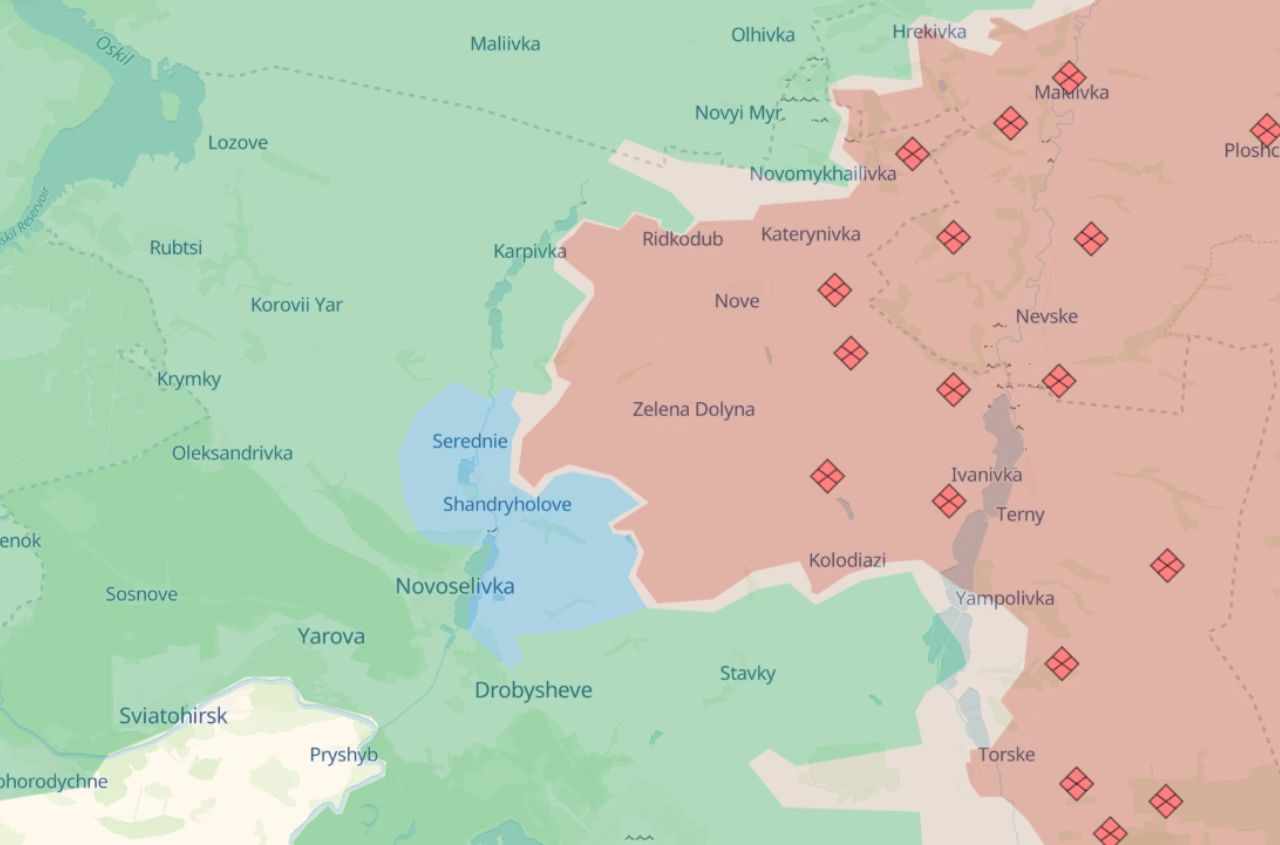
- To cut off the Ukrainian tactical salient in the Chasiv Yar area (Mykolaivka – Chervone – Stinky – Podilske). This is likely encouraged by two factors: the advance of forward units of the 70th Motor Rifle Division to the eastern outskirts of Veroliubivka, and the relatively effective operations of the 3rd Army Corps near Novodmytrivka, which already create favorable tactical conditions.
- And to attempt a breakthrough toward the approaches to Druzhkivka, both along the Kazennyi Torets River and the Volodymyrivka – Druzhkivka road, as well as from the Chasiv Yar direction. This, combined with simultaneous Russian advances on the Sloviansk axis (sector of the 3rd Combined Arms Army of the “South” Group of Forces), could create the main preliminary condition for launching a Sloviansk–Kramatorsk offensive operation — namely, reaching the near approaches (from the south and east) to both Kramatorsk and Sloviansk.
In an even broader operational sense, it should be noted that during the upcoming summer–autumn campaign, further intensification (or at least attempts at such) can be expected along the entire defensive arc of the Armed Forces of Ukraine in the Sloviansk–Kramatorsk agglomeration (i.e., on the Lyman, Sloviansk, Kostyantynivka, and Dobropillia directions).
These efforts will likely involve three groupings of forces — “West,” “South,” and “Center” (up to five combined arms armies and up to two army corps), not including possible reinforcement by units from Russian General Staff strategic reserves, as well as airborne troops and naval infantry.