


Main image: Olha Novak
The sixty-second interview through images by Andrey Sheptunov
Odessa is a city with a remarkable gift for turning any casual accident into a legend, and any construction waste into an object of high aesthetics. Here, every second person is convinced they possess a delicate spiritual organization, while every third is ready to expound on this notion exclusively against the backdrop of marble facades and Odessa courtyards littered with the shards of the past.
In this endless mystery of southern everyday life, it is easy to get lost between the smell of fried gobies and yet another pretentious art project that talks about itself much louder than it actually exists.
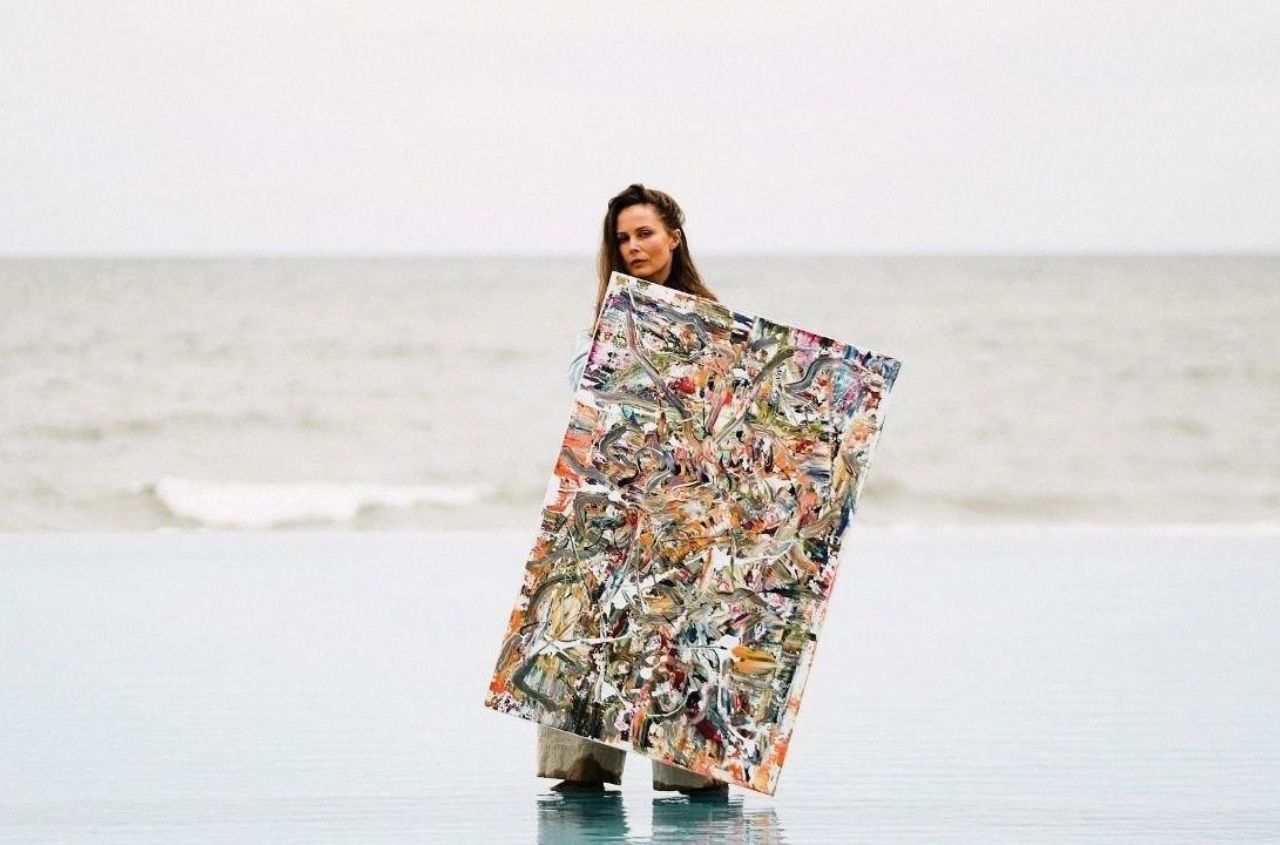
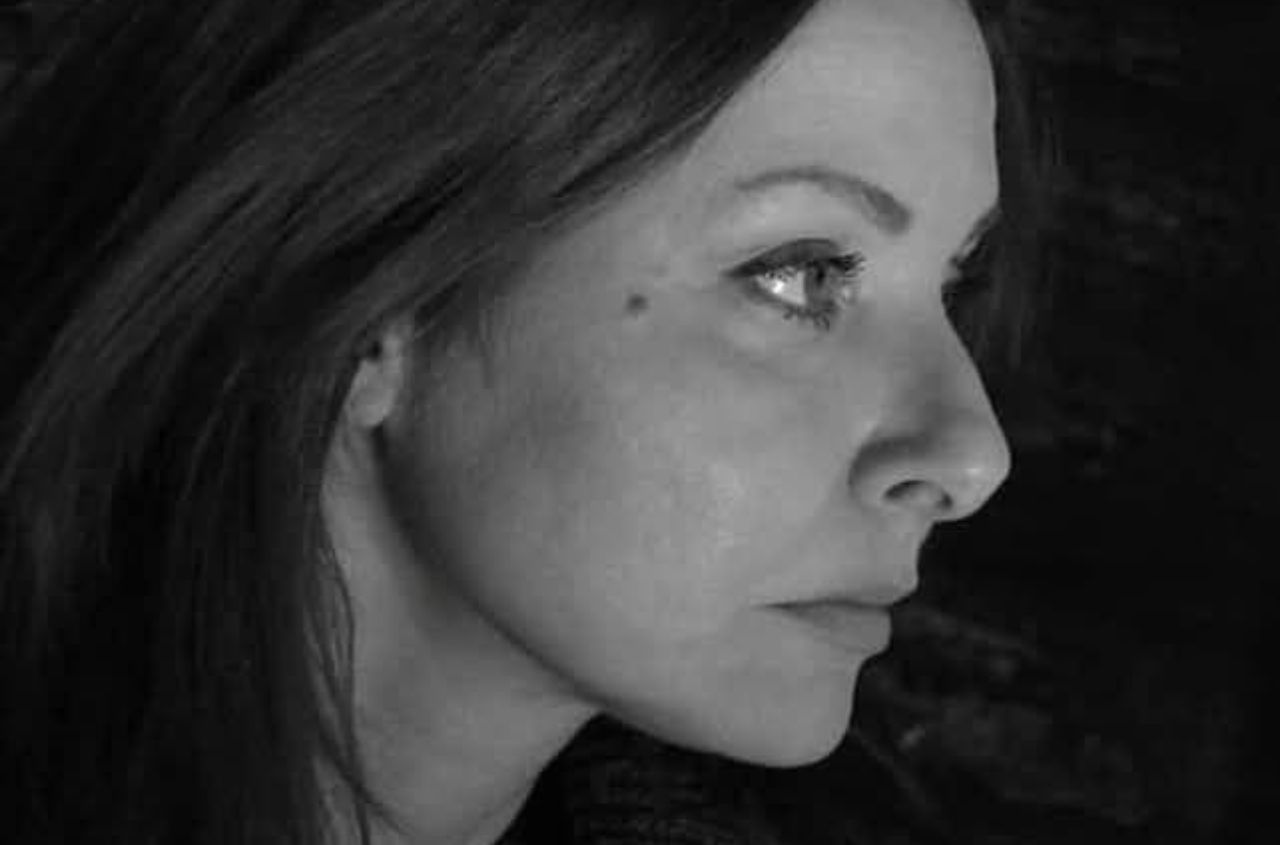
Yet amidst this carnival of baroque ambitions and mild creative madness, phenomena of an entirely special order emerge—those that do not scream about their own genius, but quietly piece themselves together bit by bit. While most artists prefer to smear fleeting impressions across canvas with wide strokes, Olha Novak engages in something far more meditative and physically unbearable. She takes what seemed permanently broken, useless, and cast into the dump of history, and forces it to shine anew under the sun.
Her square rings and mosaic panels are a distinctive challenge to the conventional logic of comfort. In a world where everything gravitates toward instant consumption and the flawless smoothness of plastic, she stubbornly chooses heavy smalta, cold stone, stubborn ceramics, and broken glass.
Each such work demands not just inspiration, but the grueling patience of a gardener growing flowers in the middle of a rocky desert—only instead of soil, there is cement mortar, and instead of seeds, fragments of other people's fates and epochs.
Of course, one could talk at length about the philosophical aspects of deconstruction and postmodern reflection, but we all understand that behind any great work there always stands a specific human being with bandaged fingers, an eye hardened by exhaustion, and the eternal question: "Why on earth did I take this on?" Odessa's air does not easily tolerate excessive academic severity, which is why any high art here invariably receives a generous serving of ironic Odessa squint.
After all, mosaic is a dialogue with eternity conducted in raised tones and at the risk of cutting one's hands. You cannot hide behind a blurred background or a conceptual excuse here: either your square has converged, or the entire structure has collapsed right in front of an astonished audience. In this sense, Olha Novak's art is a rare example of an honest conversation with a material that resists, yet ultimately submits to the power of imagination.
We decided not to bore the author with banal questions about "creative plans" and "inspiration from the sea breeze," but invited her to speak in the language of her own works. Below is our conversation with Olha Novak, where her works speak instead of answers.
1. Which of your works best conveys the sensation of fragility and eternity simultaneously, and how exactly did pieces of glass, smalta, or ceramics come together in it?
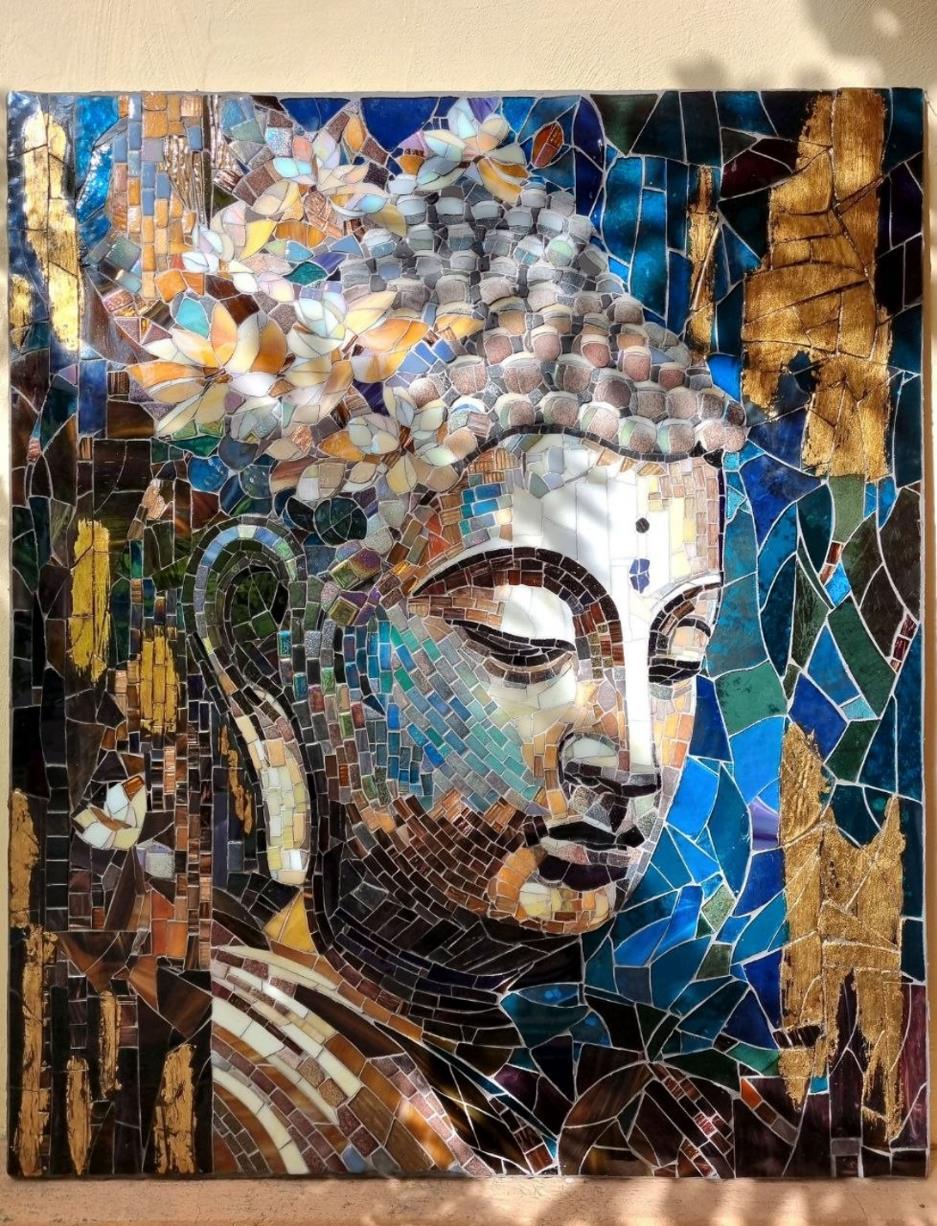
2. Show us a work where the geometry of a circle or a square became an unexpected challenge for you and forced you to look at familiar forms in a new way.
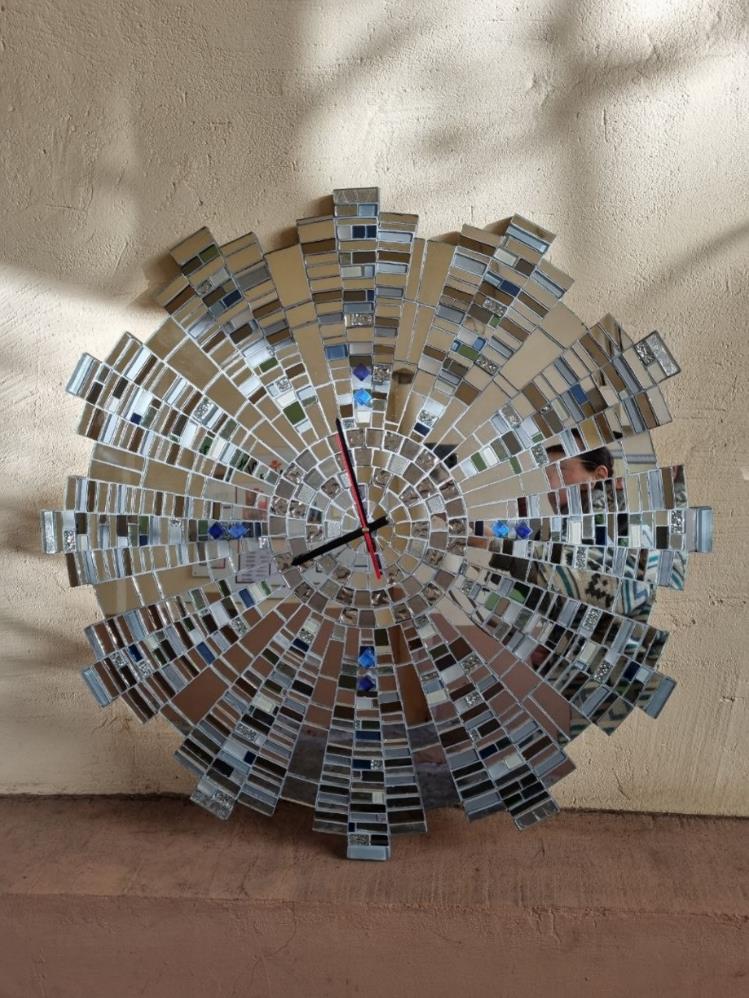
3. Which of your pieces holds within it the silence of the morning city or the rustle of waves by an empty pier?
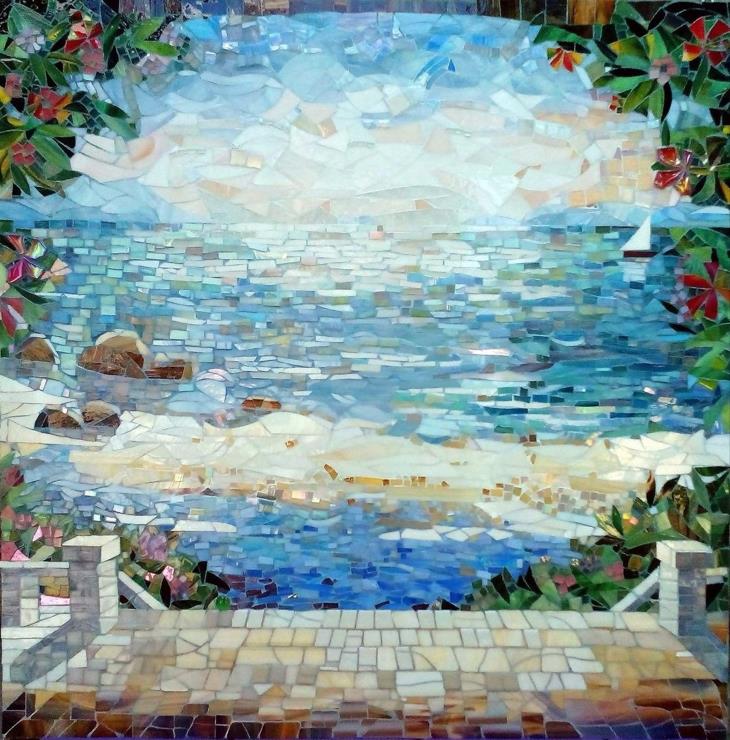
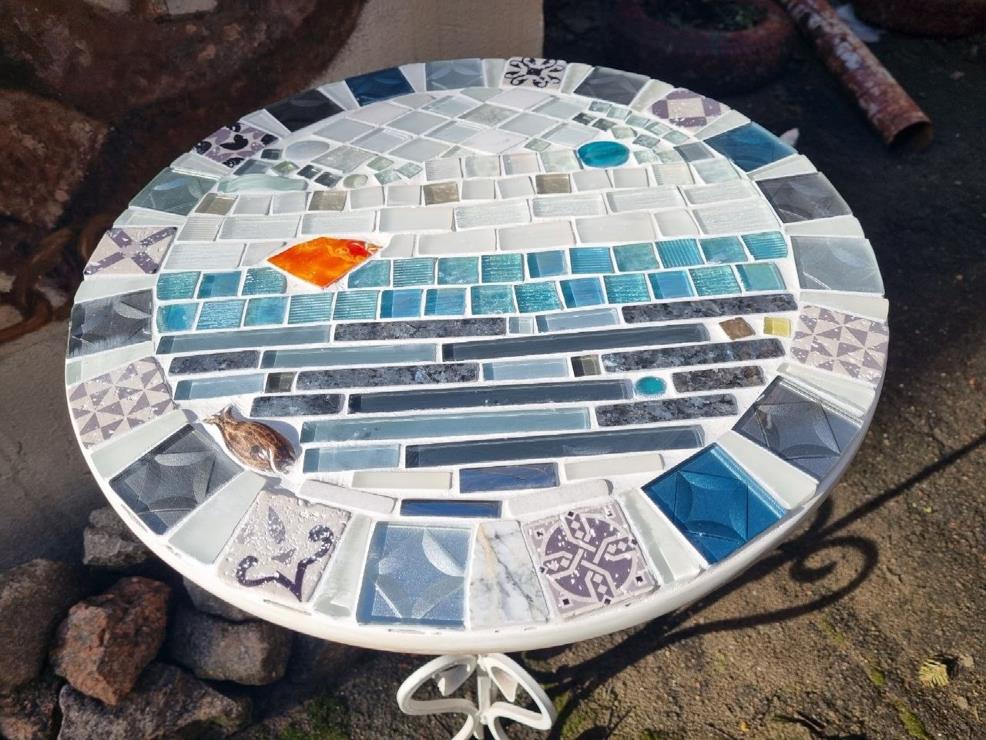
4. Show us the work whose creation process resembled an archaeological excavation of your own past.
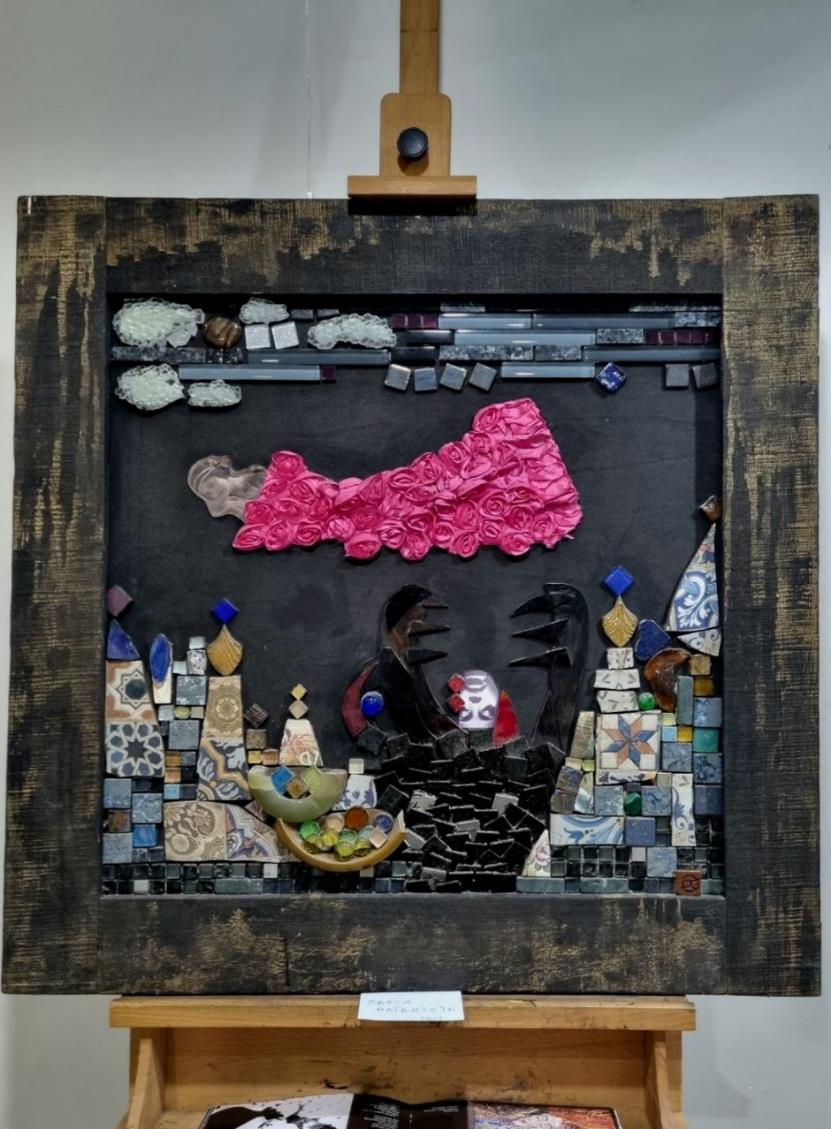
5. Which of your mosaics became the most unexpected reflection of your inner state during a complete calm or, conversely, a storm?
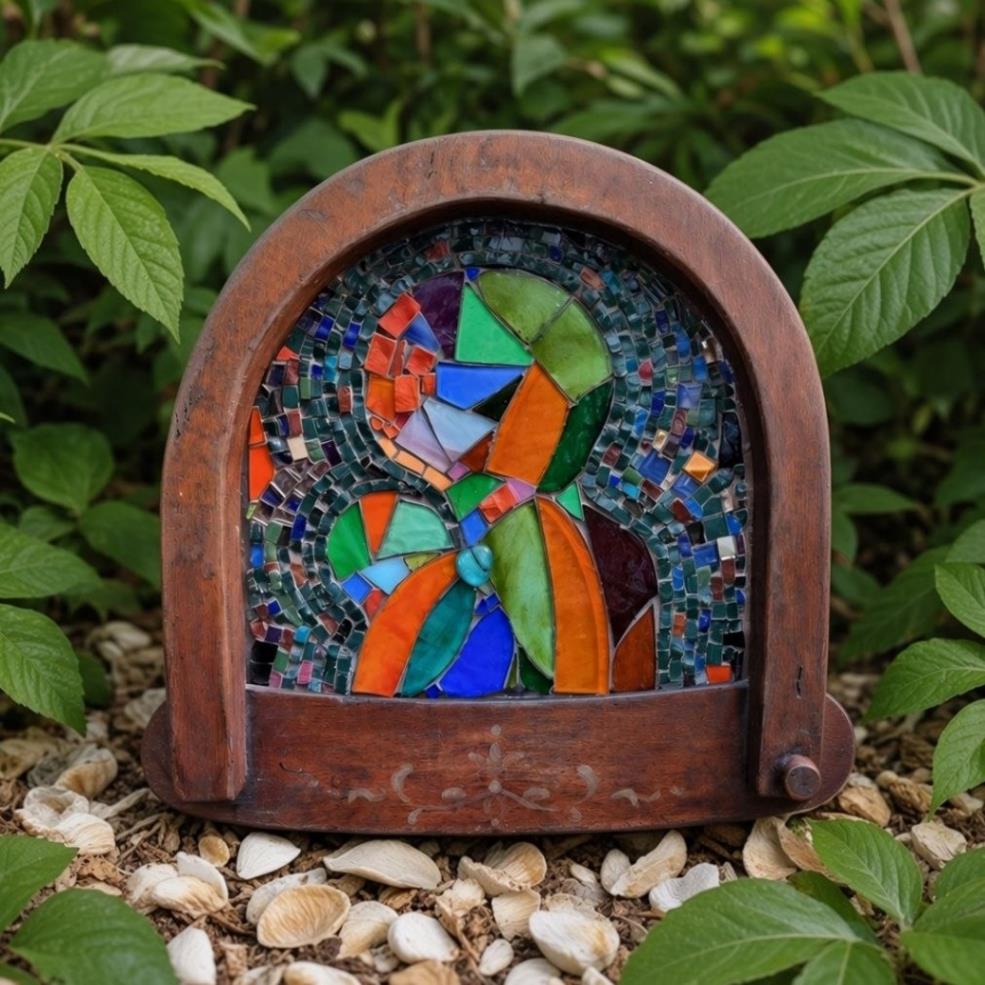
6. Which work required the most emotional strength from you?
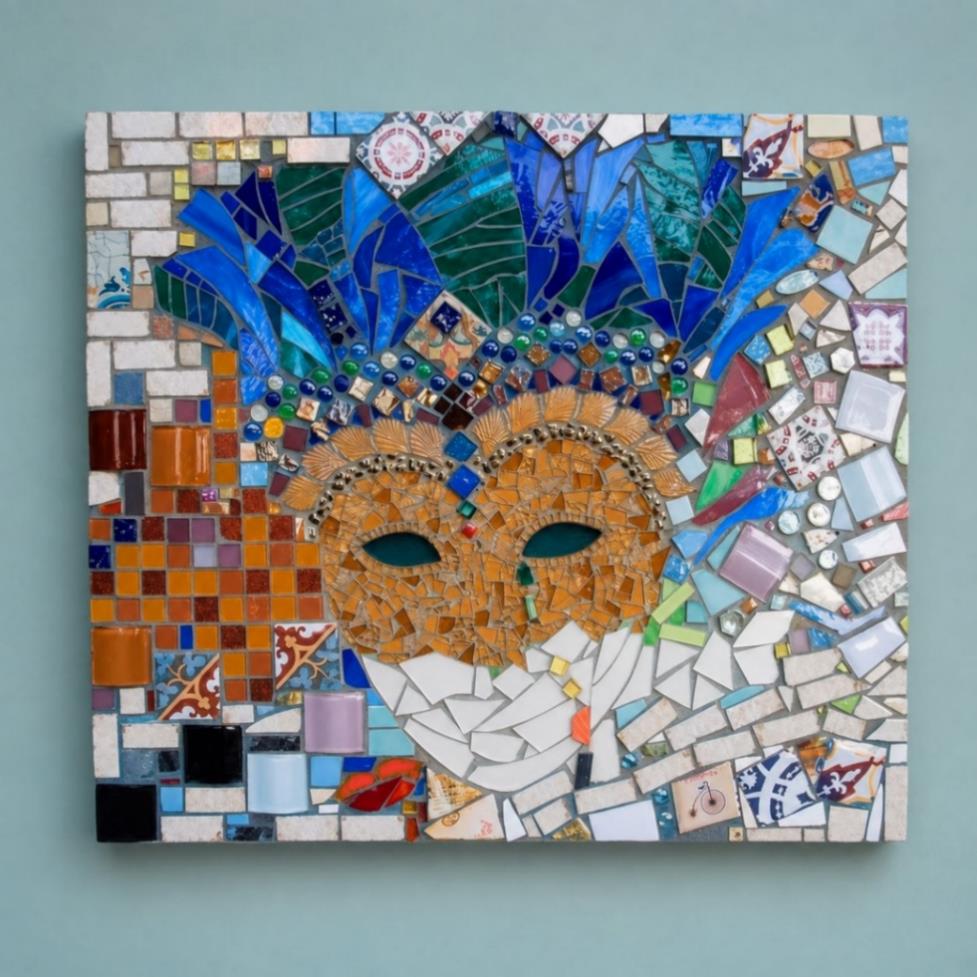
7. What detail from the familiar urban landscape unexpectedly sprouted in your most abstract piece?
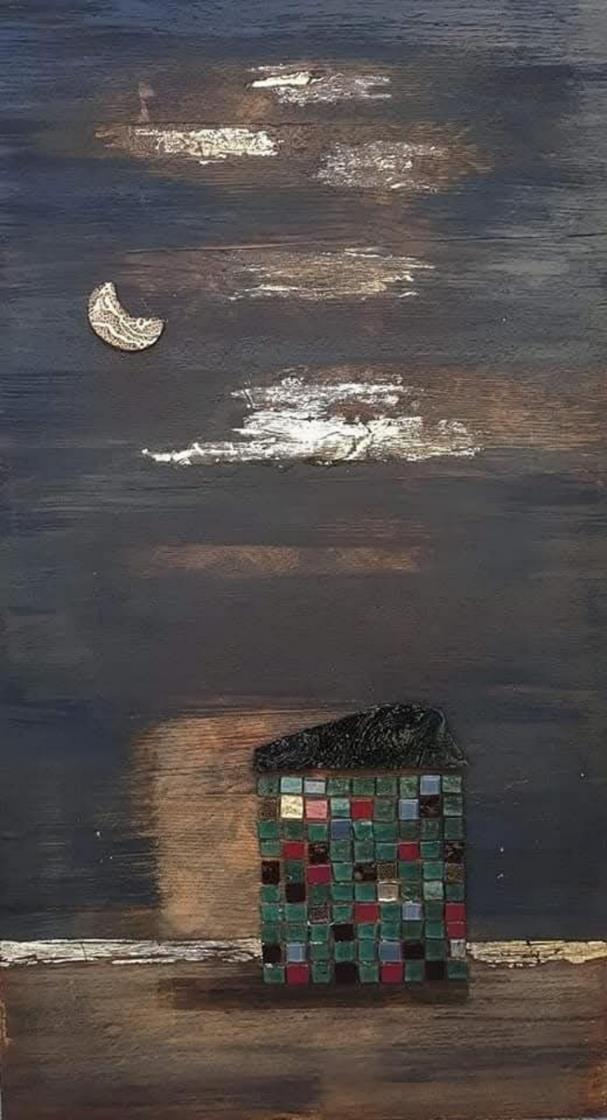
8. Show us a creation where the geometry of space meets the chaos of everyday life.
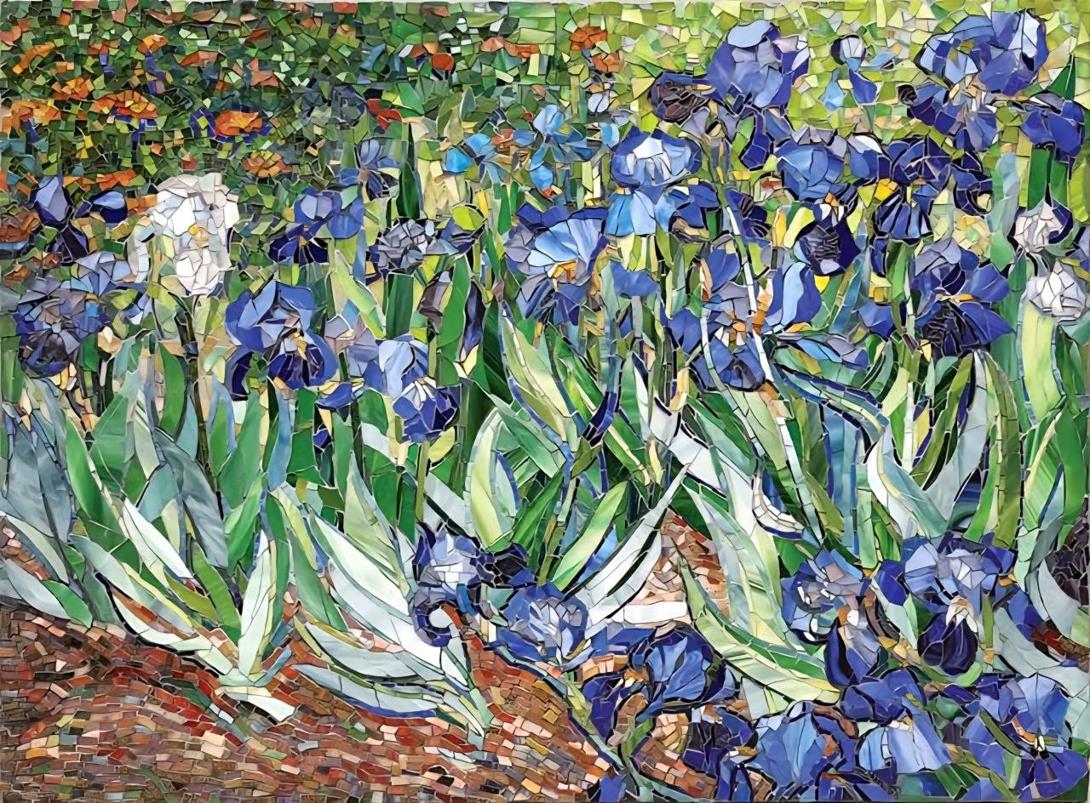
9. Which of your pieces best illustrates the idea that a completely new wholeness can be assembled from fragments?
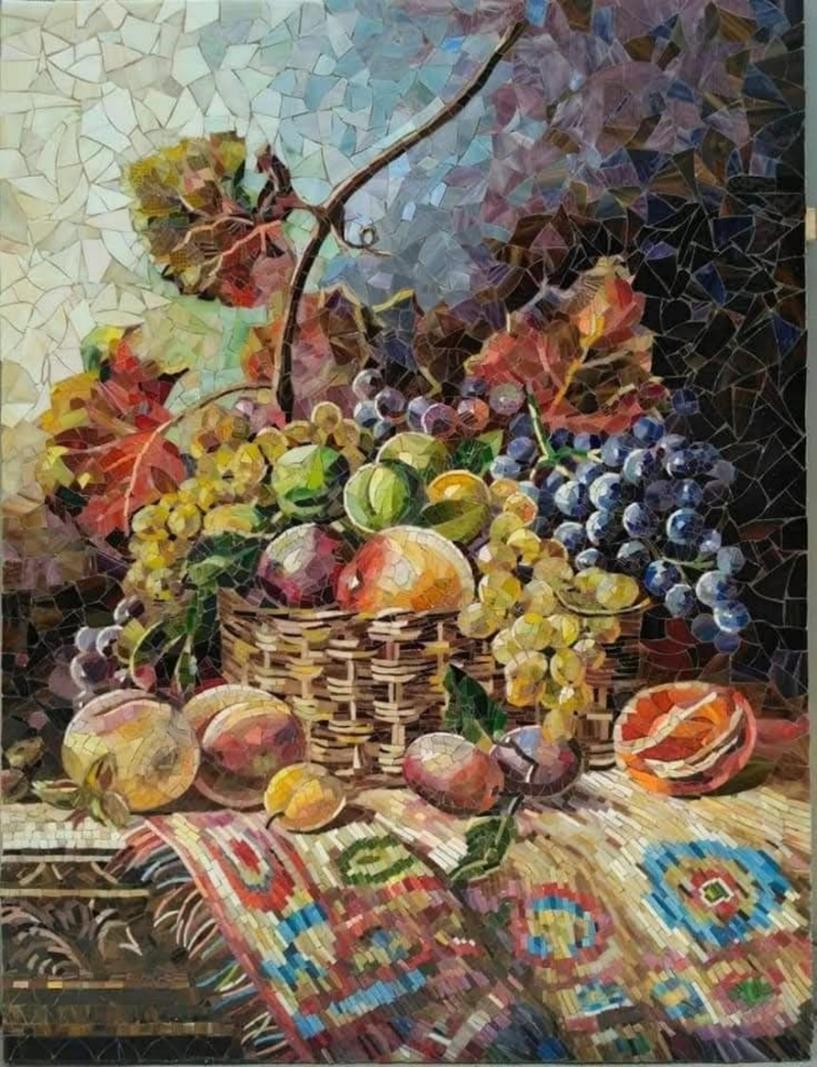
10. Which work reminds you of the warmest day that remained forever in your memory?
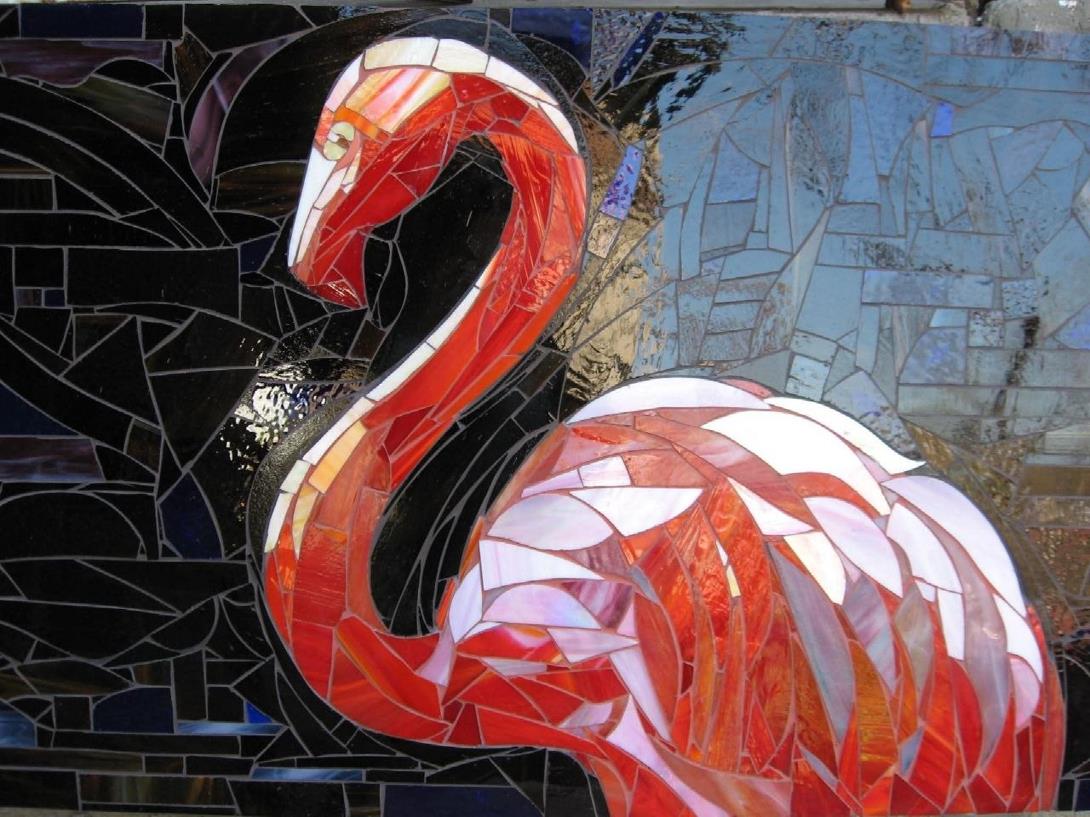
11. Which of your creations possesses a character that you sometimes even have to argue with during the creative process?
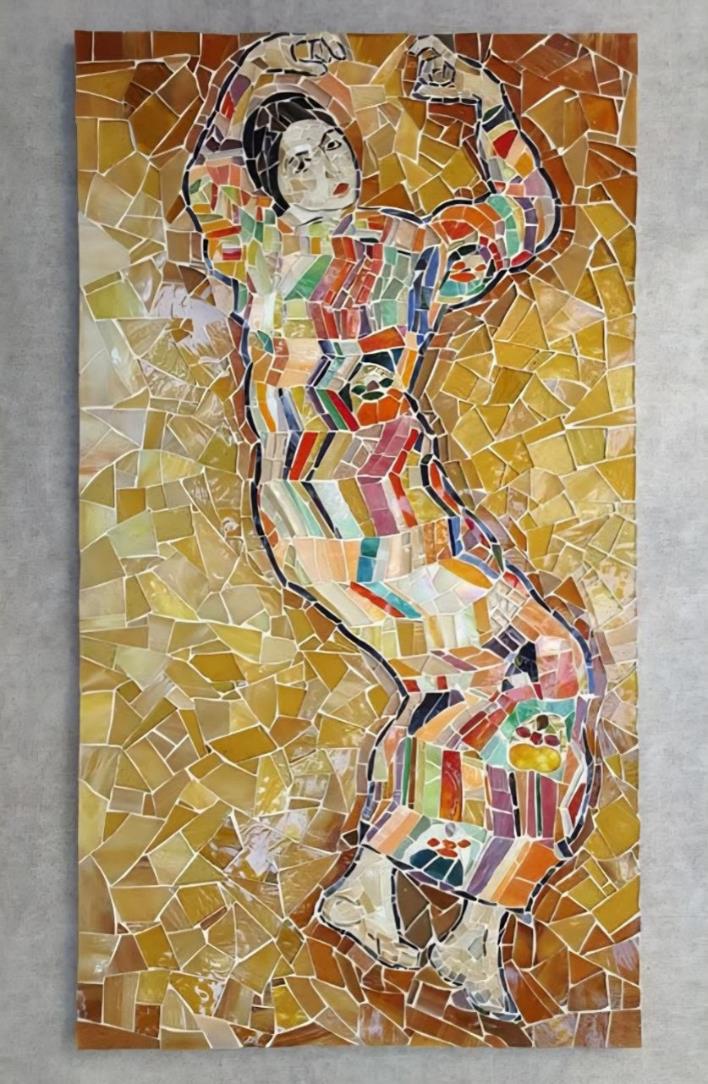
12. Show us a work that smells of the sea, an old courtyard, or a southern home.
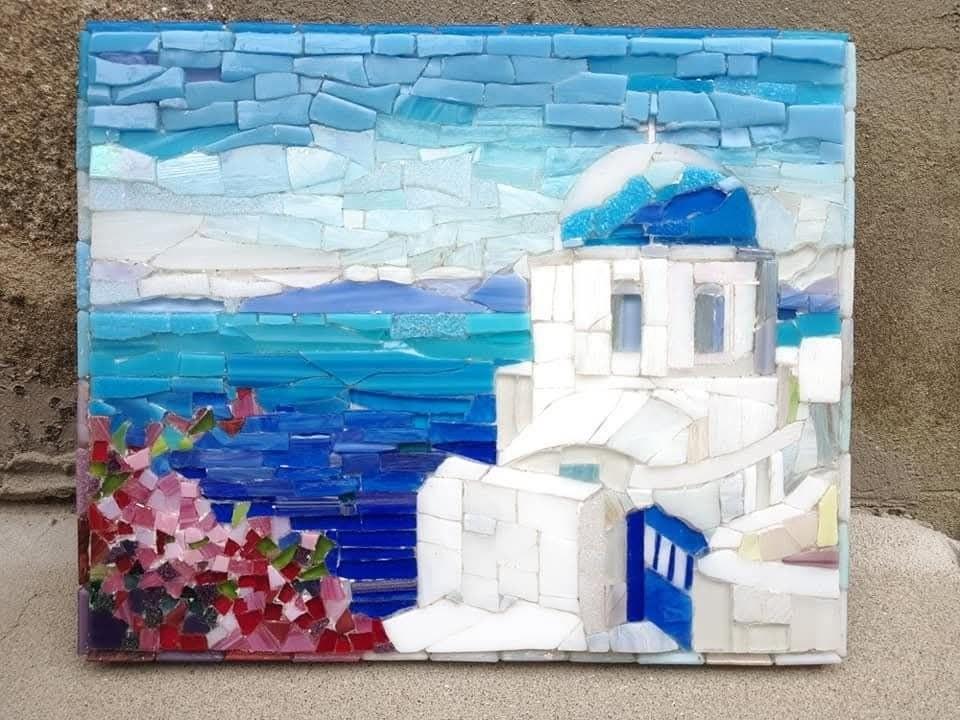
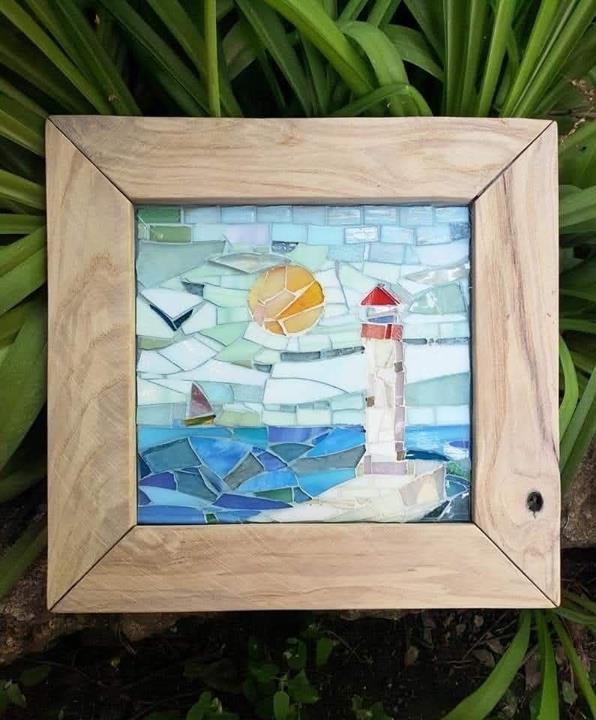
Of course, in an era when every self-respecting creator is eager to launch personal growth courses through macrame weaving or posting meanings in stories, Olha Novak behaves suspiciously quietly.
While the online space is shaken by battles for reach, she simply sits in the courtyard, methodically turning pieces of glassware and construction leftovers into something that will outlive both marketplace algorithms and our best intentions. After all, assembling a mosaic these days is the highest form of psychotherapy available to a person with a hammer, nippers, and ironclad nerves.
If you suddenly decide that contemplating beauty through a phone screen is not enough and you urgently need to join the sublime (or at least see what a person looks like who can hammer smalta for hours without hysterics), check out her YouTube channel. In real time, it shows everything normal people lack the time, patience, or epoxy resin for in ordinary life.
Well, for those in whom beauty evokes not only aesthetic awe but also a quite tangible desire to decorate their interior with it or save the family budget from inflation, the digital gates are open.
You can order an author's mosaic straight from the studio on Etsy, while following the chronicles of manual labor, new subjects, and the author's battle-hardened fingers is most convenient on Instagram and Facebook. After all, if the world around stubbornly insists on shattering into tiny pieces, why not make a beautiful picture out of it?