


By Viktor Yahun
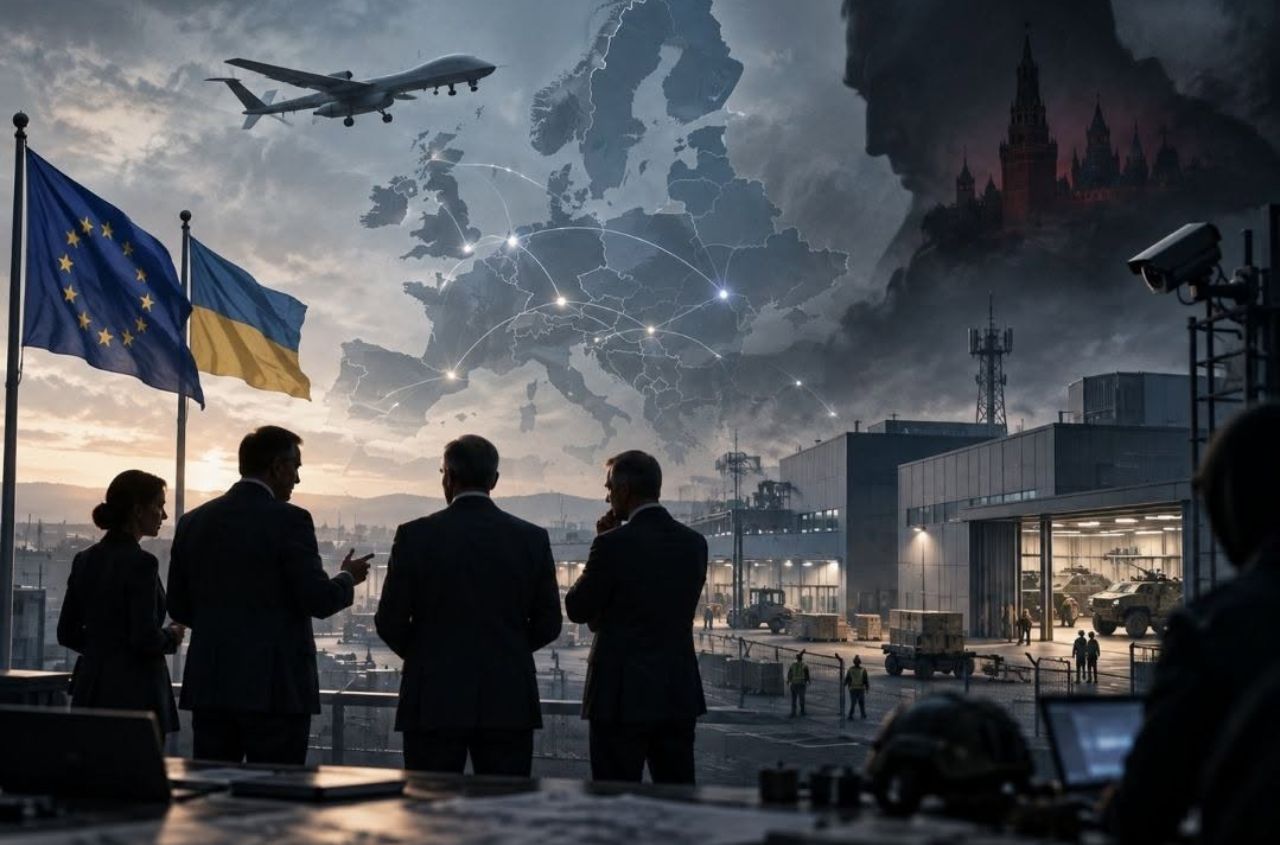
Russia's war against Ukraine has long extended beyond the front line. Today, another dimension of the conflict is becoming increasingly apparent: systematic pressure on European countries, their defence industries and the people making decisions about supporting Ukraine.
This is no longer limited to cyberattacks, arson or sabotage. European intelligence services are warning of the threat of targeted killings of defence industry executives.
On 11 October, the Financial Times, citing representatives of five European intelligence agencies, reported that the Kremlin had ordered an intensification of sabotage and hybrid operations aimed at weakening support for Ukraine.
According to the newspaper's sources, Russian intelligence services are paying particular attention to executives of companies involved in manufacturing weapons, drones and their components. German counterintelligence is already strengthening protective measures for representatives of the defence sector.
There are concrete reasons for these concerns.
In 2024, Western media reported that intelligence agencies had uncovered an alleged plot to assassinate Armin Papperger, chief executive of the German defence group Rheinmetall. In January 2025, a NATO official publicly confirmed the existence of such a threat in the context of a broader Russian sabotage campaign.
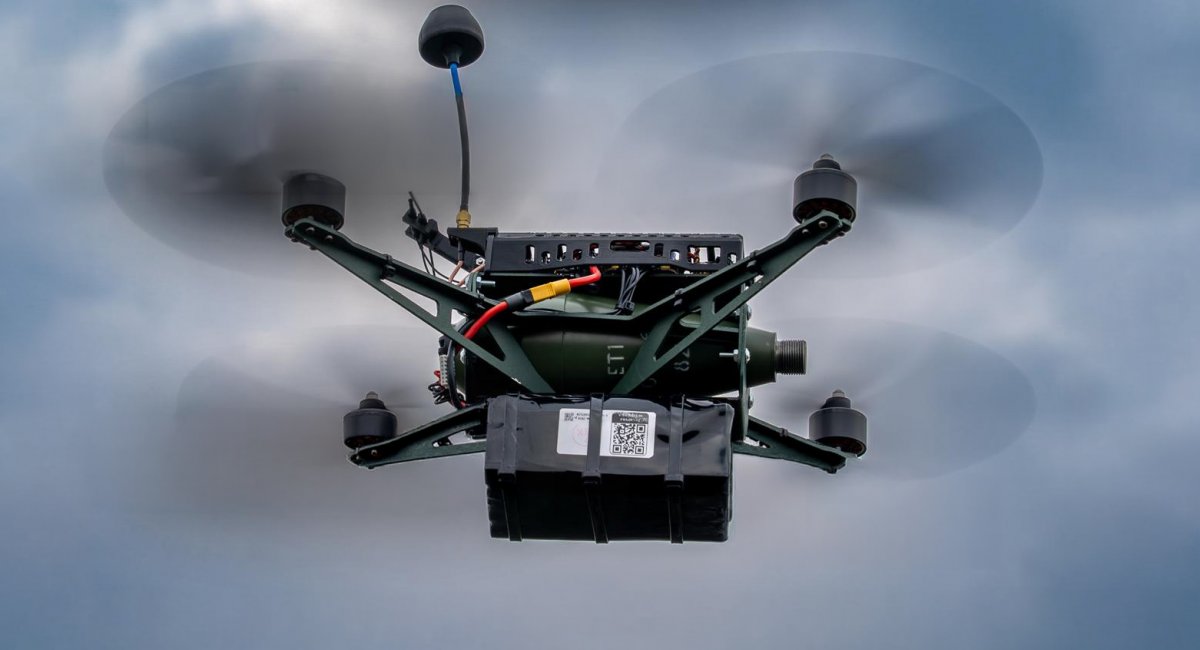
On 15 April 2026, the Russian Ministry of Defence published a list of companies in European countries that it claimed were producing drones or components for Ukraine, including their addresses. Dmitry Medvedev described these companies as potential military targets.
Such statements go beyond general threats against the "collective West" and can be interpreted as an attempt to intimidate specific representatives of Europe's defence industry.
On 7 October, Denmark's Security and Intelligence Service (PET) reported attempted Russian sabotage operations against companies supplying products to Ukraine. According to Danish intelligence, Russia is shifting from general destabilisation activities towards targeted pressure on businesses whose operations directly affect the situation on the battlefield.
Another important development came on 15 September, when the US Department of Justice announced charges against five individuals whom American investigators linked to Russian intelligence services.
According to prosecutors, an international network had been recruiting operatives to conduct surveillance, prepare contract killings and carry out sabotage, including in countries supporting Ukraine.
I emphasise that these are criminal charges, not court convictions. Nevertheless, the published materials provide grounds for seriously considering the possibility that Russian intelligence services are using transnational networks to organise violent operations abroad.
Against this background, news from Poland was particularly alarming.
On 11 October, Polish law enforcement authorities received information about a possible planned attack against Prime Minister Donald Tusk and Minister of National Defence Władysław Kosiniak-Kamysz.
Polish intelligence services held an urgent interagency meeting. Police subsequently detained a man in Lower Silesia in connection with the reports.
However, an important distinction must be made. There is currently no publicly confirmed evidence linking Russian intelligence services to this incident. It would therefore be premature to treat it and the information reported by the Financial Times as parts of a single proven operation.
Who could become the next target? In my view, assessments of potential threats should not be limited to a few prominent individuals or European capitals.
Those facing heightened risks could include executives of major defence companies, owners of small drone manufacturing businesses, engineers possessing critical technological expertise, and organisers of joint Ukrainian-European defence projects.
For Russian intelligence services, the decisive factor may not be a person's public profile but the anticipated impact of intimidating or physically eliminating them.
Germany, Denmark, Poland, Czechia, the Baltic states and other Ukrainian partners have legitimate reasons to strengthen counterintelligence measures.
At the same time, publicly available information does not provide sufficient grounds to identify which country or individual might be targeted in the next assassination attempt.
What does Putin actually want? In my assessment, the Kremlin's strategic calculation may be to slow defence production, increase the costs of cooperation with Ukraine, spread fear among business executives and investors, and test the ability of European intelligence services to respond quickly and in a coordinated manner.
Western intelligence reports and criminal case materials indicate that Russian sabotage operations involve criminal organisations, intermediaries and transnational intelligence networks.
Such methods may allow those organising the operations to conceal their involvement and make it more difficult to establish the responsibility of specific state institutions.
These methods are not new. They have historical parallels in the activities of Soviet intelligence services.
However, the current scale of the threats and reports of preparations for violent operations against civilians connected to the defence industries of NATO member states indicate that this trend is particularly dangerous.
And this is where the Kremlin itself approaches a dangerous threshold.
In its 2024 Washington Summit Declaration, NATO stated that hybrid operations could, under certain circumstances, reach the level of an armed attack, potentially raising the question of invoking Article 5 of the North Atlantic Treaty.
There is no automatic mechanism for such a response. Any decision would depend on the nature, scale and circumstances of a particular attack.
Nevertheless, the risk of further escalation remains very real.
What does this mean for Ukraine and Europe? I believe that protection must extend beyond warehouses, factories and weapons supply routes to include the people who keep this entire system functioning.
This requires joint counterintelligence efforts, adequate protection for critical specialists and enterprises, rapid information sharing, coordination between law enforcement agencies and measures to ensure that those organising such crimes are held accountable.
The available reports suggest that Europe's defence industry is increasingly becoming a target of Russian hybrid operations. Its protection must therefore become an integral part of Europe's collective security system.
And most importantly, one of the central objectives of terrorism is to make people abandon necessary decisions before a single shot is fired.
If Europe allows fear to determine its policy towards Ukraine, the Kremlin may achieve a strategic objective without carrying out a single successful assassination.
If, however, European countries act systematically, in coordination and with determination, Russia's strategy of intimidation may not only fail but also lead to stronger European defence and security cooperation.
The struggle for Ukraine's security has also become a struggle for Europe's ability to remain free and independent in its own decisions.